
Garden Heroes in the Late Summer Heat: Drought-tolerant Groundcovers
By Ginny Bode, WSU Extension Skagit County Master Gardener
As the warmest days of summer are here, when temps tend to creep the highest, many garden perennials need regular watering to make it through to the cooler days of fall. Not so with these tough, hardworking perennial groundcovers. These drought-tolerant beauties are workhorses in the landscape, meeting a host of needs, including weed suppression, soil moisture retention, erosion prevention, and pollinator support. And the bonus is that they are low-maintenance.
In the garden, the term groundcover can refer to many things, including various mulches, hardscape, landscape fabric, and low-growing spreading perennials and evergreens. Here we’ll focus on the abundance of drought-tolerant perennials less than 12” tall, which will make your garden both beautiful and easier to maintain.
The Benefits of Groundcovers
Weed Barrier
Low-growing groundcovers form a dense mat over the soil, reducing the amount of sunlight that reaches weed seeds. Their thick foliage competes with weeds for water and nutrients, making it harder for unwanted plants to establish. By quickly spreading and covering bare ground, these plants act as a natural barrier against weed growth.
Erosion Control
Ground covers anchor the soil with their extensive root systems, holding it in place on slopes and hillsides. Their foliage reduces the impact of raindrops, minimizing soil displacement and runoff. By forming a continuous, protective layer, ground covers effectively prevent soil erosion and help maintain hillside stability.
Low Maintenance
When we say low maintenance, how low do we mean? Very low. Once established, no regular water is needed; just rake out the dead leaves or leave them as mulch for weed suppression and food for beneficial insects and salamanders. Some may need trimming to contain every so often. These groundcovers work especially well for the gardener who wants a low-maintenance alternative to grass in a restricted area, such as a hellstrip or beside a sidewalk. Some are tough enough to take foot traffic—but wear your shoes; pollinators like them too!
Pollinator Friendly
Many groundcovers produce flowers that attract bees, butterflies, and other beneficial insects. These plants provide a reliable source of nectar and pollen throughout the growing season. By supporting pollinators, ground covers contribute to a healthy and biodiverse garden ecosystem.
 Mark Your Calendar for These Free
Know & Grow Workshops
Spectacular Fall Color - How You Can Have it in Your Garden
Tuesday, September 15, 2026
1:00 pm - 2:30 pm
Prepare Your Garden for Fall and Winter
Tuesday, October 20, 2026
1:00 pm - 2:30 pm
Creating an Award-Winning Display Garden for the NW Flower and Garden Festival
Tuesday, November 10, 2026
1:00 pm - 2:30 pm
Sakuma Auditorium
16650 SR 536, Mount Vernon, WA 98273
Make your ground cover selection based on location and need.
Different drought-tolerant groundcovers will be more successful in specific conditions. Some do a better job of binding to soil on rocky slopes or in seaside conditions. Others do better with some shade.
Consider your current situation and desires:
- Is it sunny and dry during the summer months?
- Is the area shady and dry?
- Do you have a slope that needs erosion control?
- Do you desire that it is evergreen?
- Native or native hybrid?
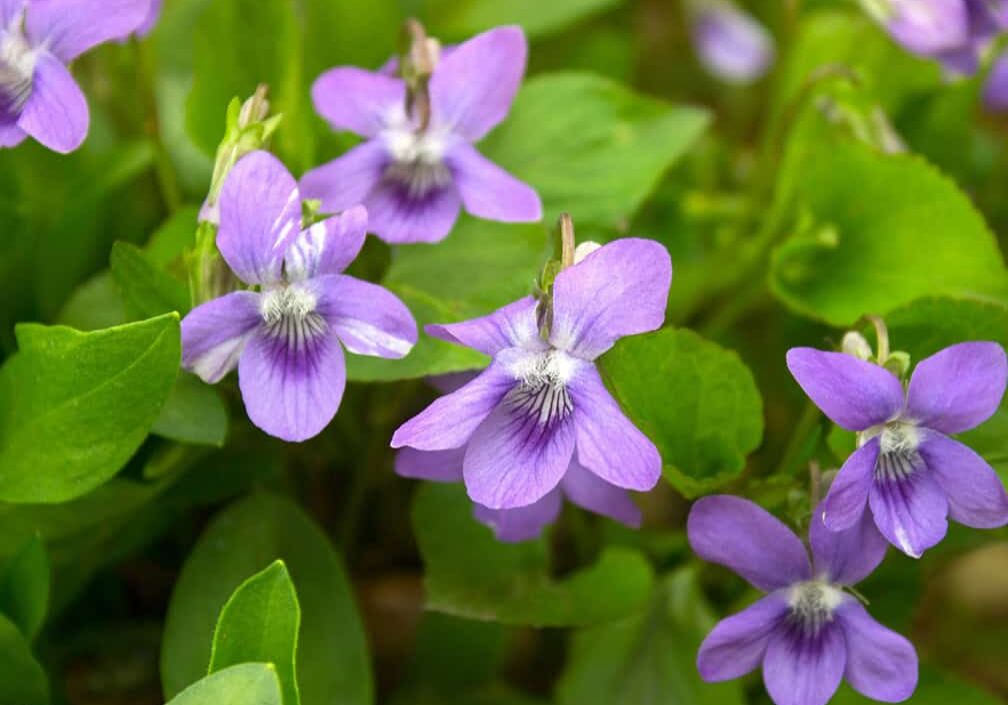
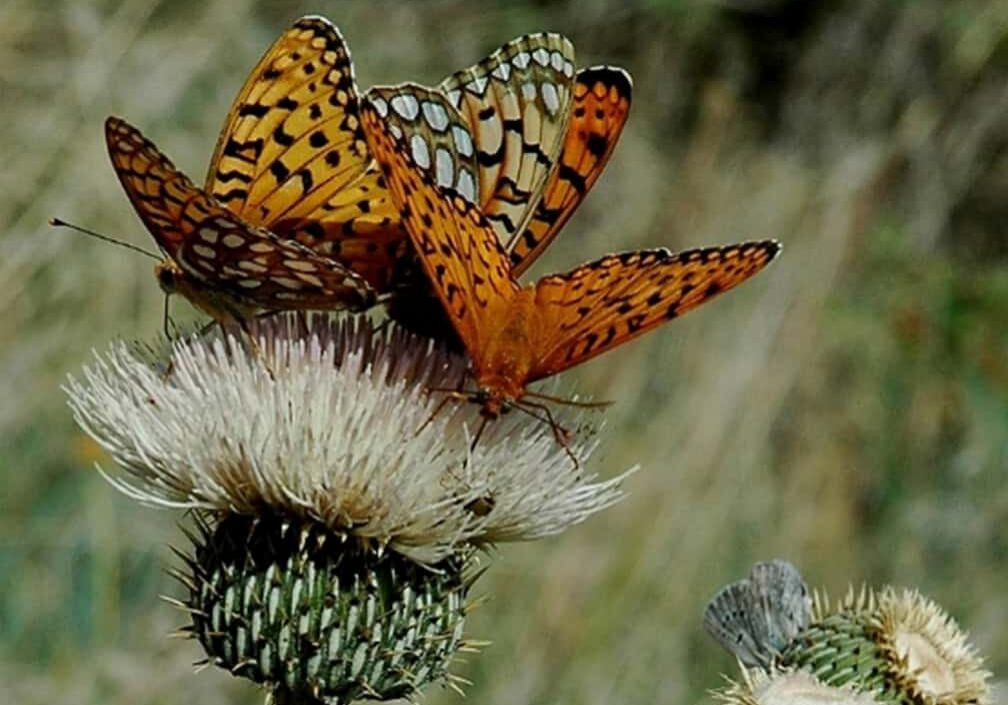
When Ralph Waldo Emerson wrote “What is a weed but a plant whose attributes have not been discovered,” he could have been looking at the native viola/violet. Despite its reputation for being invasive, it performs well as a groundcover and can be mowed. Washington state is home to 25 species of violas, which support many types of wildlife. It loves sunny meadows and damp riverbanks. It is the exclusive food source for the caterpillars of the endangered Oregon silverspot butterfly. Photo © Viola: Adobe Stock, Photo Silverspot © Richard Gardner, Bugwood.org
Sun
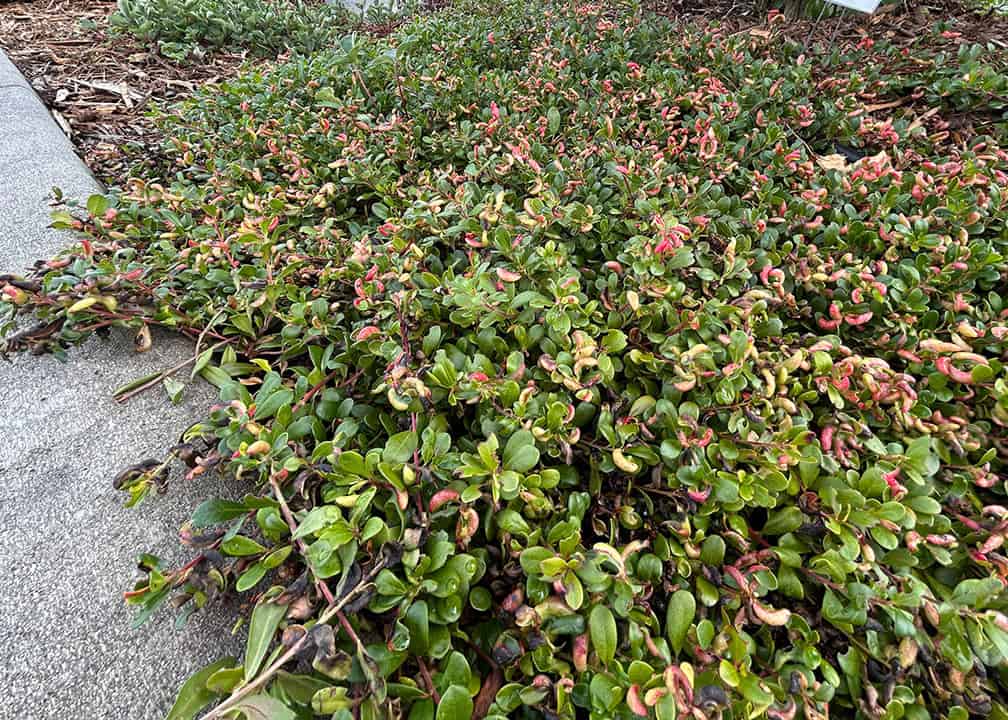
- Creeping raspberry aka crinkle-leaf creeper (Rubus pentalobus, synonym Rubus calycinoides)
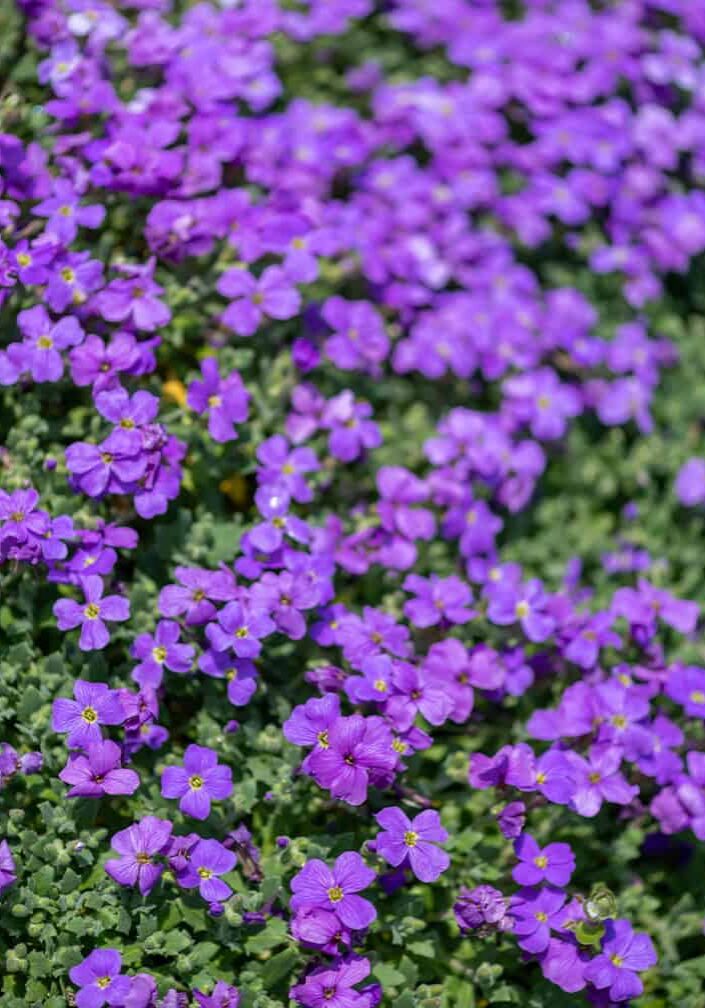
- Rockcress (Aubrieta)—native or hybrid
- Seaside daisy 'White Lights’ (Erigeron glaucus)
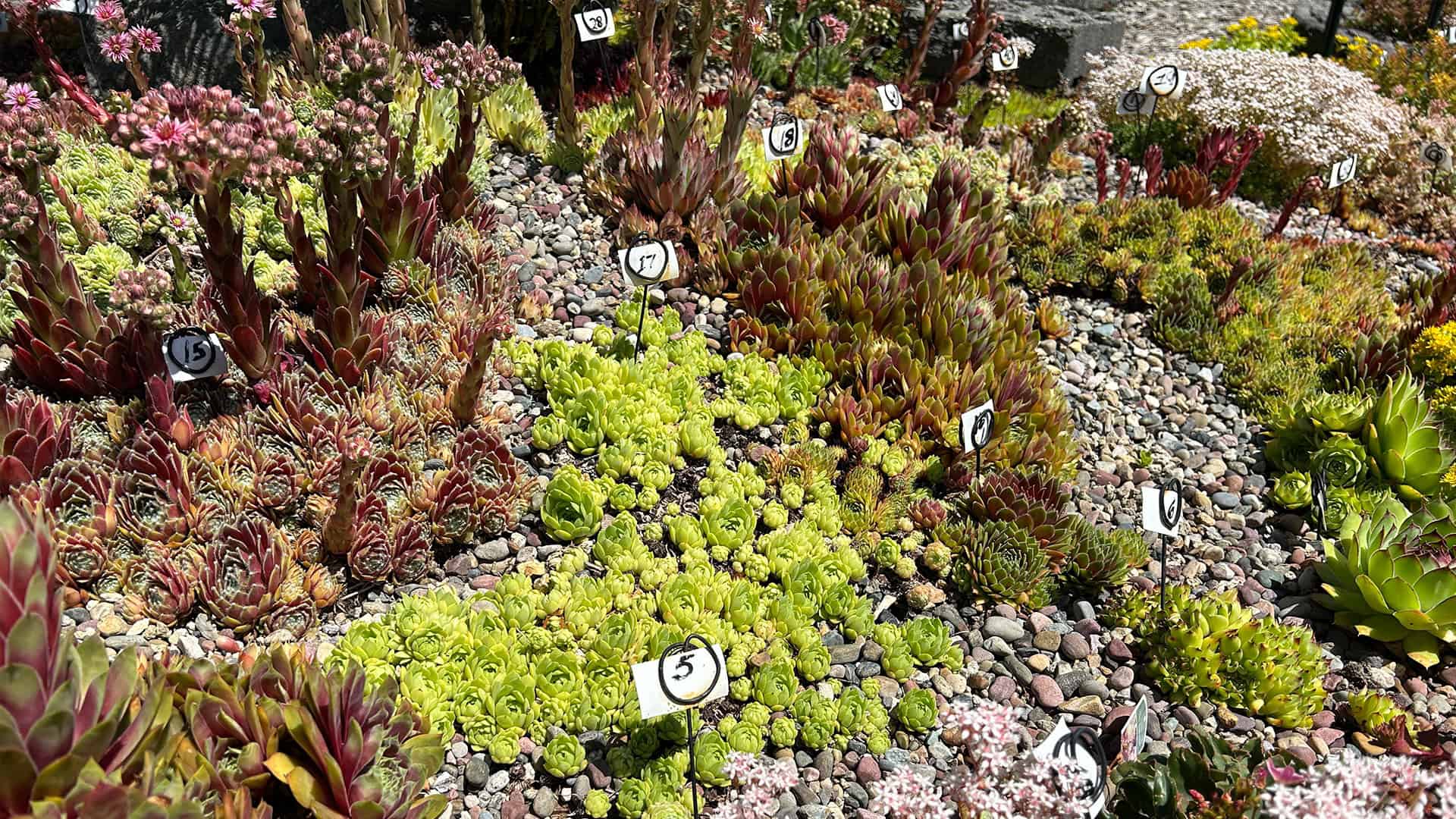
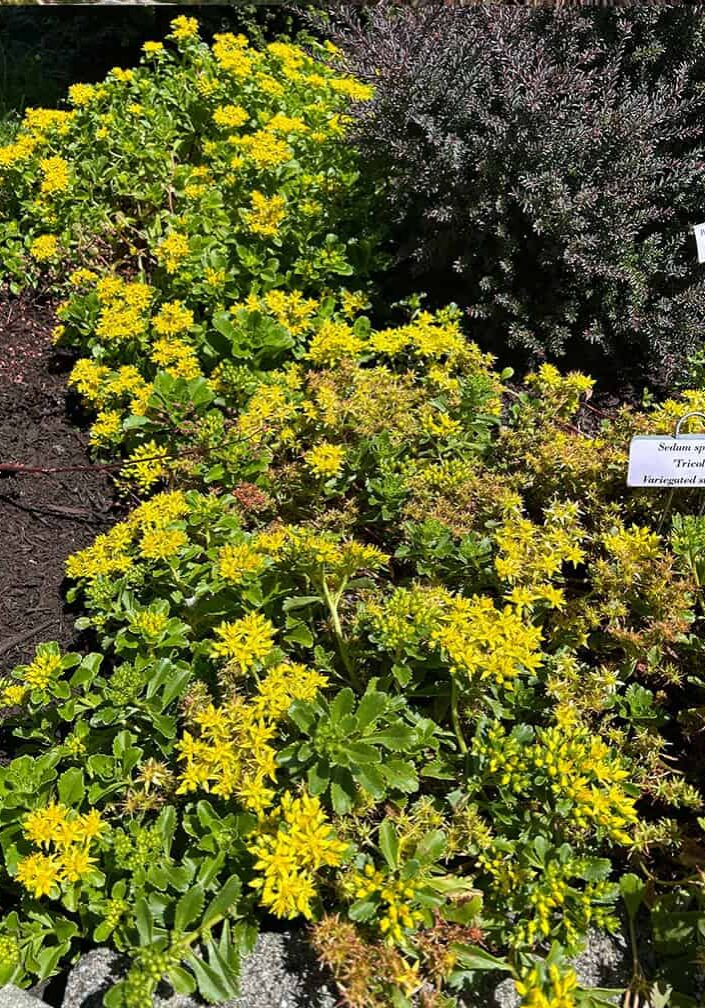
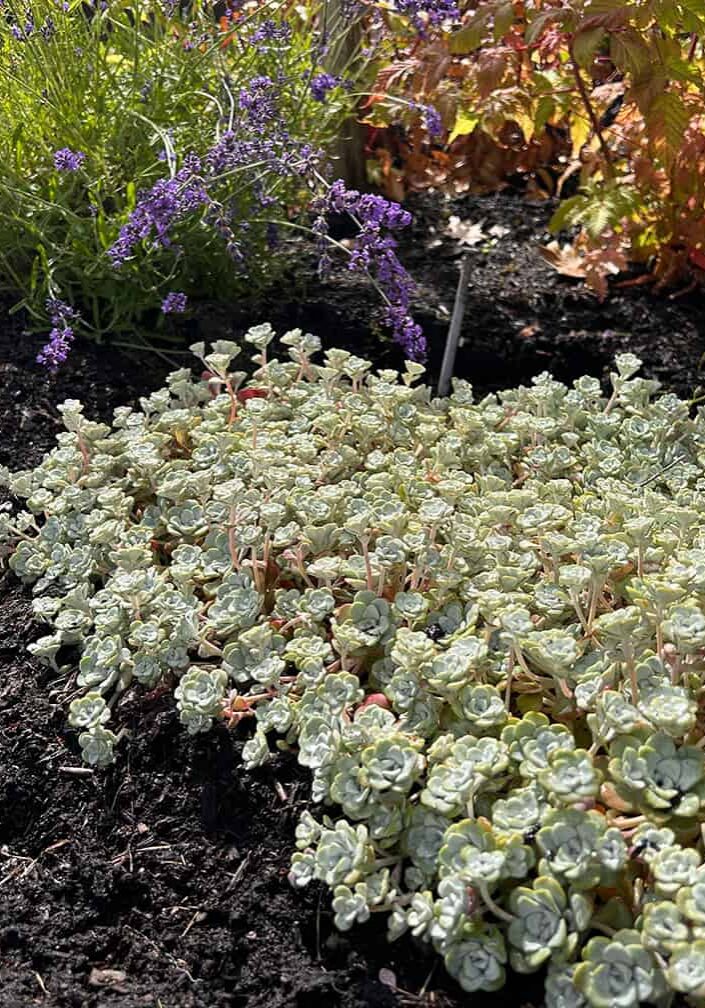
- Stonecrop family (Crassulaceae): Hens and chicks, sedum, and stonecrop are resilient, drought-tolerant succulent perennials that thrive in full sun and well-draining soil.
Shade:
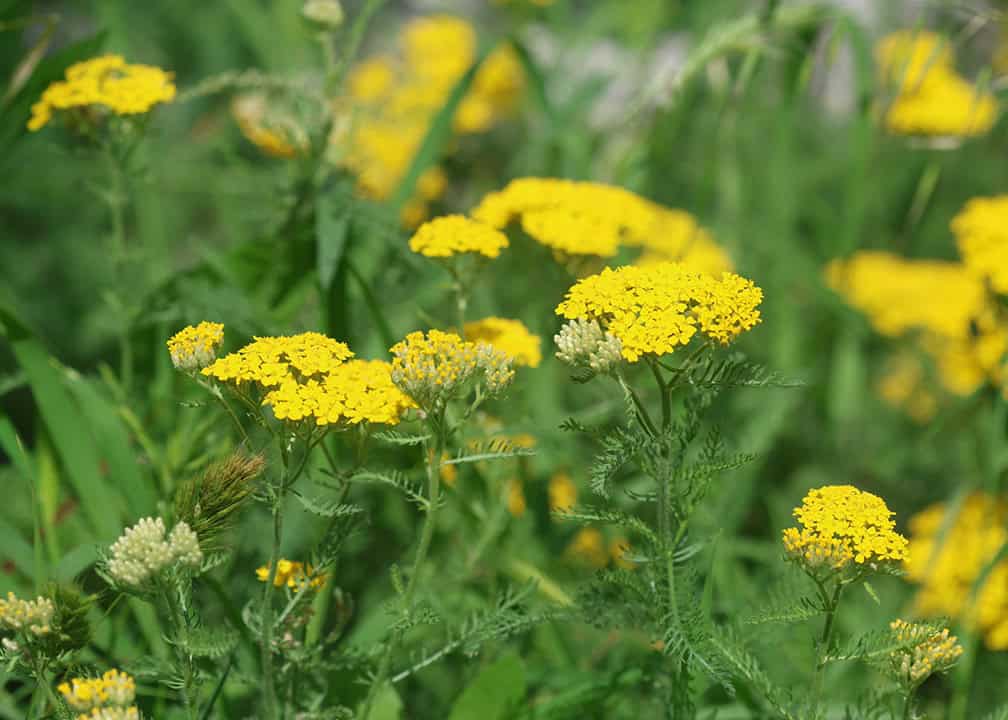
- Mugworts (Artemisia pycnocephala) ‘David’s Choice’ handles sun or part shade
- Seaside daisy (Erigeron glaucus) ‘White Lights’ or ‘Cape Sebastian’
- Wild ginger (Asarum caudatum)*
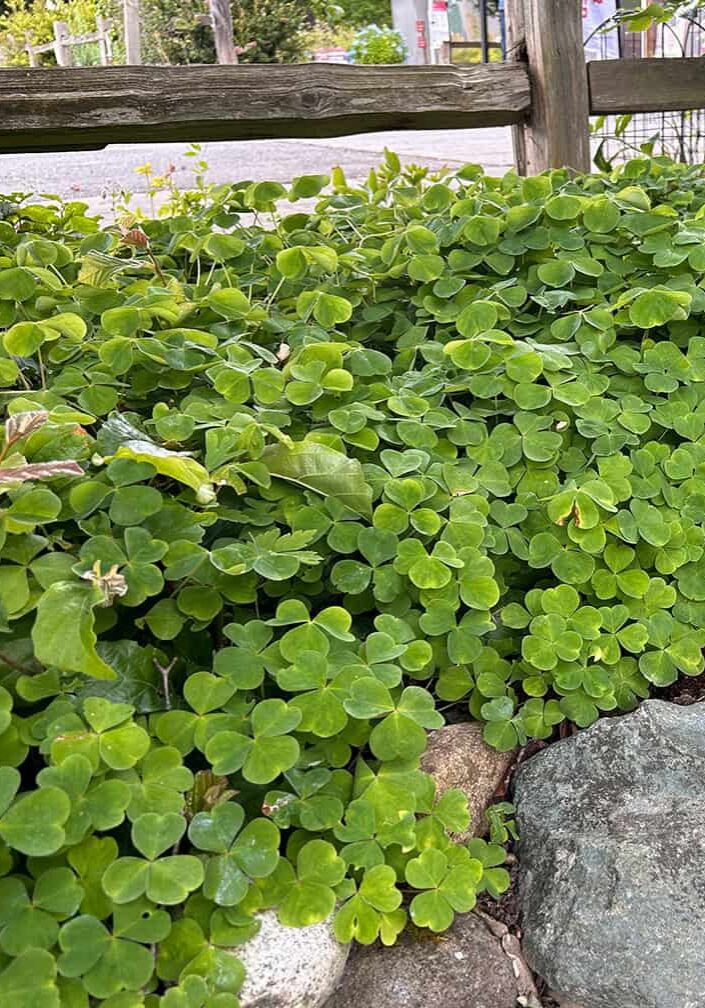
- Oregon wood sorrel aka redwood sorrel (Oxalis oregana)*
- Bunchberry (cornus canadensis)*
- False lily-of-the valley (Maianthemum dilatatum)*
Slopes**
- Stonecrop (Sedum spp.)
- Rockcress (Aubrieta deltoidea)
- Hens and chicks (Sempervivum tectorum)
Evergreen:
- Kinnikinnick aka bearberry (Arctostaphylos uva-ursi)
- Stonecrop (Sedum spp.)
- Redwood creeping wintergreen (Gaultheria procumbens ‘Redwood’)—not to be confused with the invasive wintercreeper (Euonymus fortunei)
Native (*) or Hybrid:
Native plants are species that occur naturally in our region or ecosystem without human intervention, having adapted over time to the local climate and soil conditions. Nurseries have developed hybrid plants by crossbreeding plant varieties or species to create different bloom colors or more desirable traits, such as reduced aggressiveness in spreading.
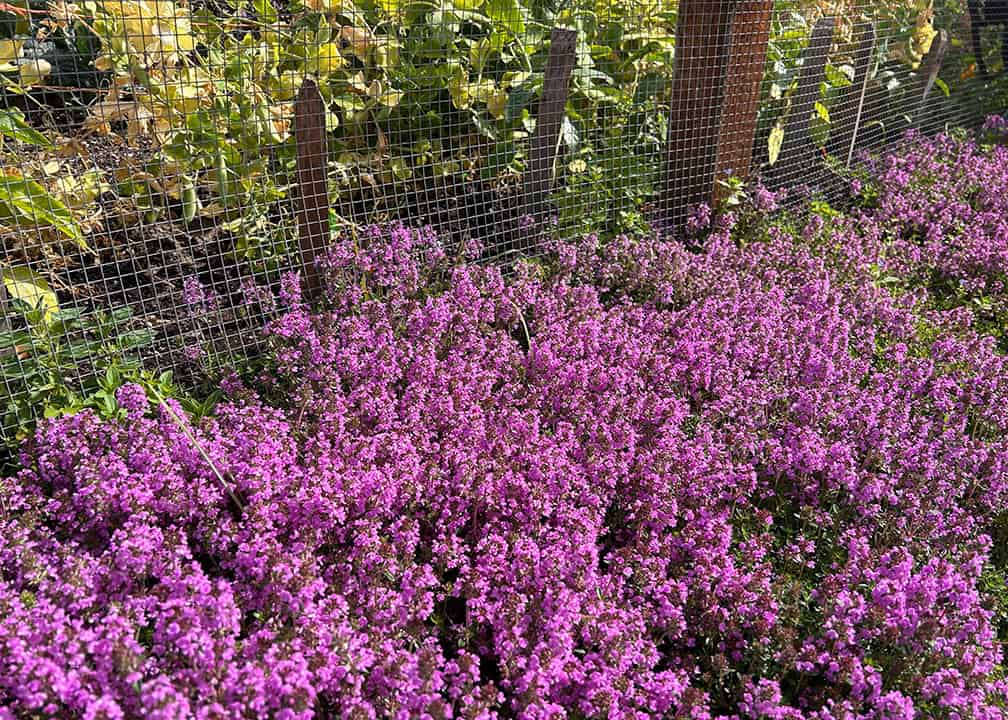
- Creeping thyme (Thymus spp.) and many color hybrids
- Turkish veronica/Turkish speedwell (Veronica liwanensis)
- Blue woolly veronica (Veronica pectinata)—well-behaved; not to be confused with ivyleaf speedwell, which is invasive in the Pacific Northwest.
Woodland/wild strawberry (Fragaria vesca) is not as aggressive as beach strawberry, growing to about a foot tall. Photo © Adobe Stock
If you are interested in acquiring native ground covers, check out these and others on the Native Plant Society's website:
- Woodland/wild strawberry (Fragaria vesca) and beach strawberry (F. chiloensis)*
- Kinnikinnick aka bearberry (Arctostaphylos uva-ursi)*
- Foamflower (Tiarella trifoliata)*–can grow taller than 12” in shade
- Western wild ginger (Asarum caudatum)*
- Oregon wood sorrel (Oxalis oregana)*
- Cascade rockcress* (Arabis furcata), Olympic Mountain rockcress* (Arabis olympica), and Nuttall's rockcress* (Arabis nuttallii)
Fire Suppression
Firewise gardening practices recommend creating a 5-foot perimeter around your home to help prevent fires. Ground covers can make this area beautiful while also deterring the possibility of fire.
In Washington, plants with thick, juicy leaves called succulents are best for storing water. They soak up rain in the wet winter and save it for the dry summer. Plants in the sedum family rise to the top of the list because they actually store water during the heat of the summer, rather than becoming a dry and brittle fire hazard. This means that if a burning ember falls into this area, there is a greater chance it will burn out rather than flare up.
These are low-growing, drought-tolerant plants that actually store water:
- Rockcress (Arabis lyrata or A. pulchra)
- Stonecrop (Sedum spp.)
- Hens and chicks (Sempervivum spp.)
- Sea thrift (Armeria maritima)*
- Rosy pussytoes (Antennaria rosea)*
Other ideas can be found at Oregon State University's Fire Resistant Plant Profiles.
To learn more about wildfire preparedness and how to take steps to protect your home, read our blog post on Wildfire Preparedness for the Home Landscape.
Ground Covers to Avoid: Too much of a good thing.
Because of their ability to spread, some groundcovers, when combined with perfect conditions, can be aggressive spreaders. Some, when they spread, are easy to remove; others, when they spread, you will be pulling them out for years (including cracks in the sidewalk), like vinca and violas. Before buying something that you’ve never heard of, check out its characteristics and performance.
Some of these groundcovers may perform beautifully in gardens at a different altitude with colder winters, but can take over in low-lying areas with good soils—such as the Skagit Valley. Always check your county noxious weed website before buying. Just because it is sold online doesn’t mean it is a good actor in our climate.
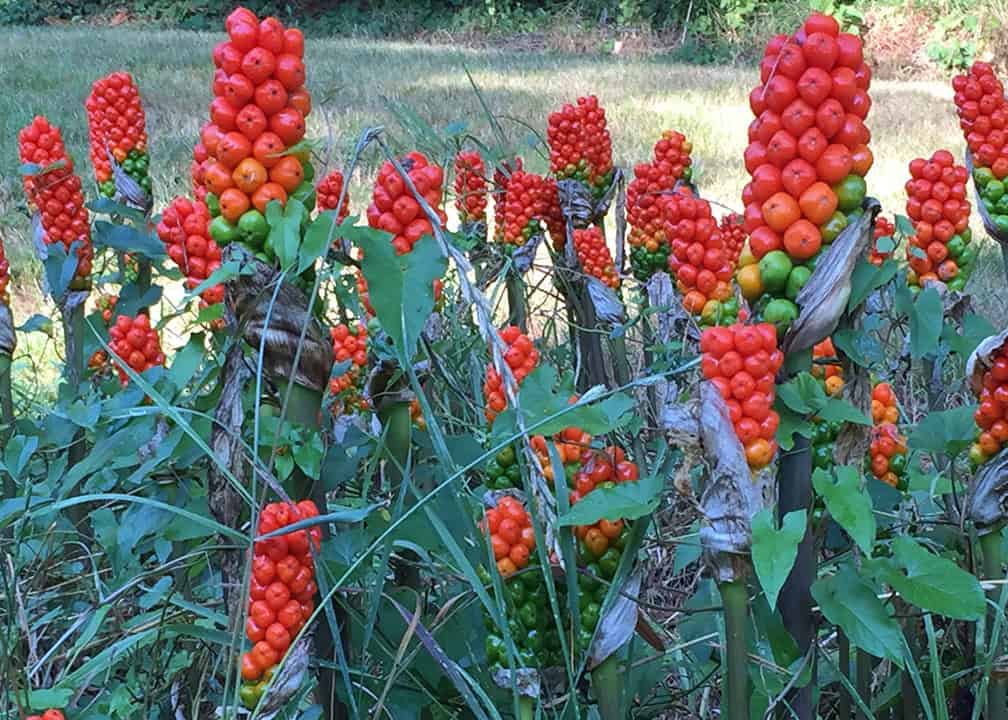
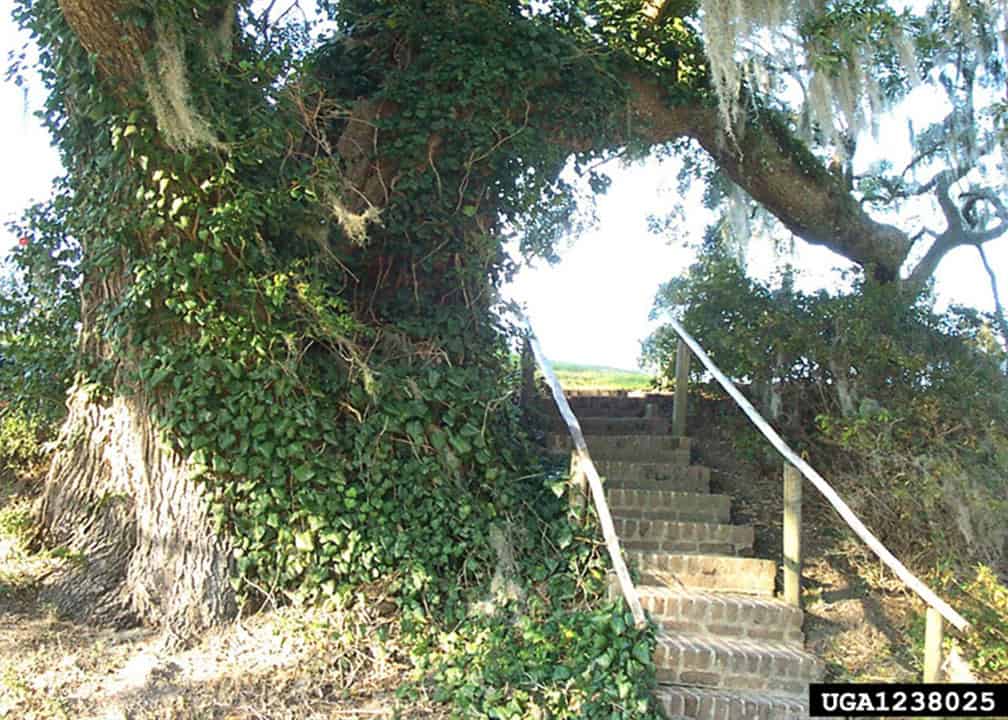
Many older gardens in our area may have Italian arum and English ivy. Note that the aggressiveness of these plants has landed them a spot on the invasive species “Most Unwanted” list. They are difficult to eradicate and should never be planted or encouraged. Photos: Italian arum © WA Noxious Weed Board; English ivy © Randy Cyr, Greentree, Bugwood.org
Though readily available at nurseries in our area, these ground covers are best when planted in a container because they are very difficult to eradicate once they invade other areas:
- Lily-of-the-valley (Convallaria majalis)
- Creeping jenny (Lysimachia nummularia)
- Periwinkle (Vinca minor and V. major)
Preparing for planting a groundcover
- Create a weed-free area. A living groundcover will not suppress grass and weeds that are already in the soil. This may require digging sod or weeds out before preparing the soil for planting. Groundcovers will suppress new weeds, including horsetail, by outcompeting them for resources such as light, moisture, and nutrients.
- Space the groundcover plants approx. 12” apart and let them fill in. Water them for the first year and then water when they look dry. After a year or two, you will notice they begin to hold their own during the dry season, and you will need to take care of a weed or two that pops through.
- Fall is generally the best time to plant.
Interested in larger low-maintenance groundcovers? This article covers only low-growing drought-tolerant ground covers. There are many groundcover options which are greater than 12” tall and/or need a bit of water through the driest times of summer. These will also help protect the soil and reduce garden maintenance.
* Native Plants
**Note: These are low growing drought-tolerant perennials which will protect the top layer of soil from washing down slope. There are many more drought-tolerant perennials which grow taller than 1 foot and send a deep tap-root, anchoring multiple layers of soil.
References and Resources:
McDougle, S. Plants You Can Walk On. Fine Gardening Magazine. Issue #152
Carter, S. Firewise Plant Materials. Colorado State University Extension. (Rev. 8/2025)
Groundcovers. University of Maryland Extension. (Rev. April 2026)
McCary, D. Our Favorite Low-Maintenance Grouncover Plants for Seattle Gardens. Seattle Sustainable Landscapes, (May 5, 2026)

Ginny Bode
ABOUT THE AUTHOR:
Ginny Bode is a Skagit County WSU Extension Master Gardener Class of 2022 and is co-editor of the Ask a Master Gardener Blog. She enjoys the beauty of the garden in all seasons.
Questions about home gardening or becoming a master gardener may be directed to Skagit County WSU Extension Office, 11768 Westar Lane, Suite A, Burlington, WA 98233; by phone: 360-428-4270; or via the Skagit County WSU Extension website.
Washington State University Extension helps people develop leadership skills and use research-based knowledge to improve economic status and quality of life. Cooperating agencies: Washington State University, US Department of Agriculture, and Skagit County. Extension programs and policies are available to all without discrimination. To request disability accommodations contact us at least ten days in advance.
Great article, very helpful, well written
Thanks Ginny. There is so much to appreciate about ground covers. I have Corsican Mint which I really like, doesn’t get tall and smells great.
Thanks Virgene… the more I read and researched the more I found wonderful options for all types of environments. I’ll look into Corsican mint…
The fun part of writing a post is what I learn!