
Growing Bulbs—Year-round Joy in Your Garden
The Pacific Northwest is the ideal place to grow a wide variety of bulbs, delivering happiness and beauty to your garden.
By Diana Wisen, WSU Extension Skagit County Master Gardener
Growing bulbs is like having a special friend visit every year. It is always a treat when they arrive. You have a good time together, and then they return home until next year. Just like bulbs, your friends do not all show up at the same time, school reunions being the exception.
Like your friends, bulbs have many different looks, habits, and characteristics, which makes it all the more fun and rewarding. With bulbs, you have to feed them only once, if ever, and you don't have to clean up after them or entertain them.
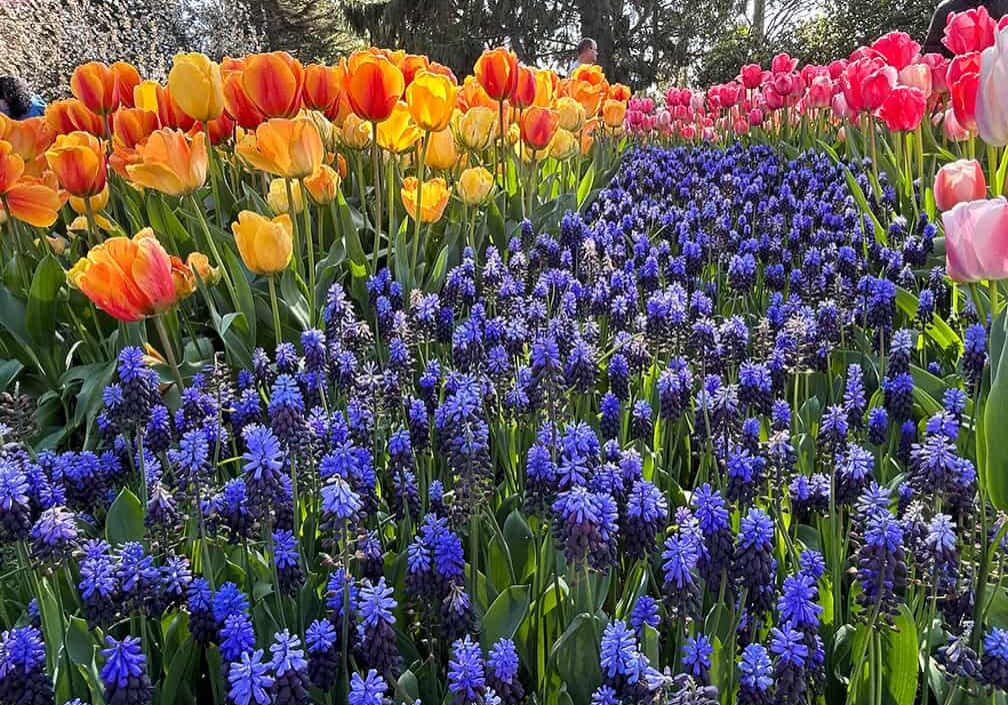
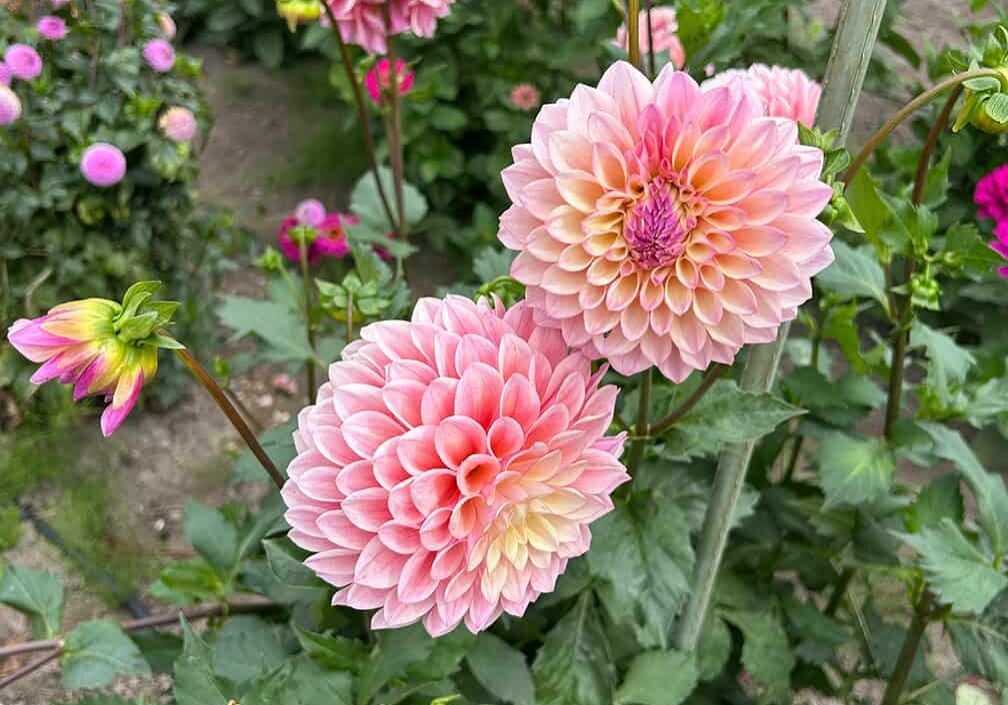
Bulbs make great company with very little effort, which is why you should plant lots of bulbs of all kinds. Bulbs are dependable! The Pacific Northwest is the ideal place to grow a wide variety of these deliverers of happiness and beauty, and you don’t have to wait years for them to be at their best.
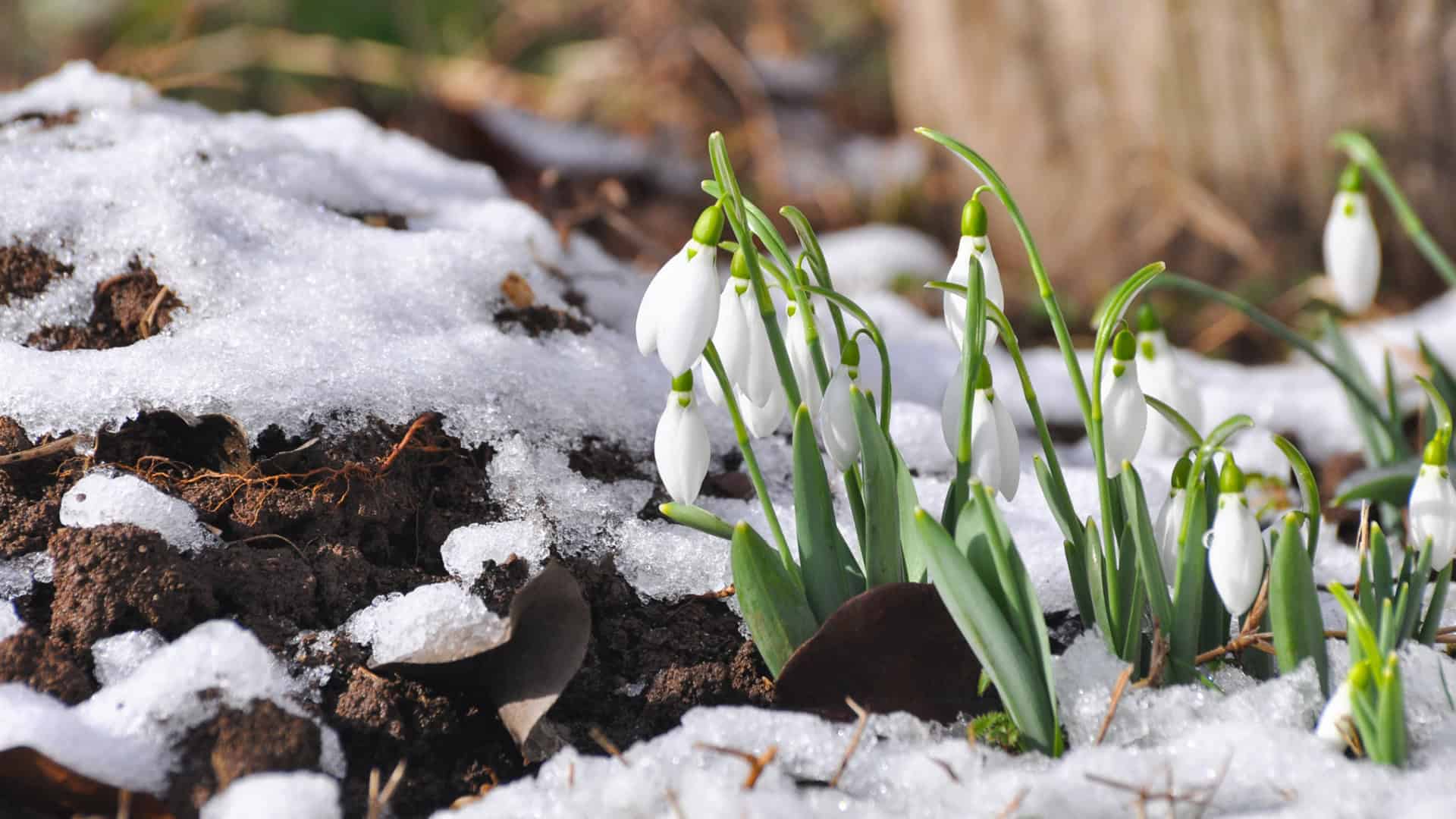
Bulbs and related corms, tubers, and rhizomes bloom at various times of the year. Skagit County has the ideal climate and soil for spring flowering bulbs. They like mild winters, cool, damp springs, and dry summers. We get enough heat for summer-flowering bulbs to bloom, and our long, mild autumns let them bloom longer than in other parts of the country where frost comes early. And who isn’t delighted to see snowdrops in winter?
 Mark your calendar for these free
Know & Grow Workshops
_____________________________________
Prepare Your Garden for Fall and Winter
Tuesday, October 20, 2026
1:00 pm - 2:30 pm
Creating an Award-Winning Display Garden for the NW Flower and Garden Festival
Tuesday, November 10, 2026
1:00 pm - 2:30 pm
Sakuma Auditorium
16650 SR 536, Mount Vernon, WA 98273
_
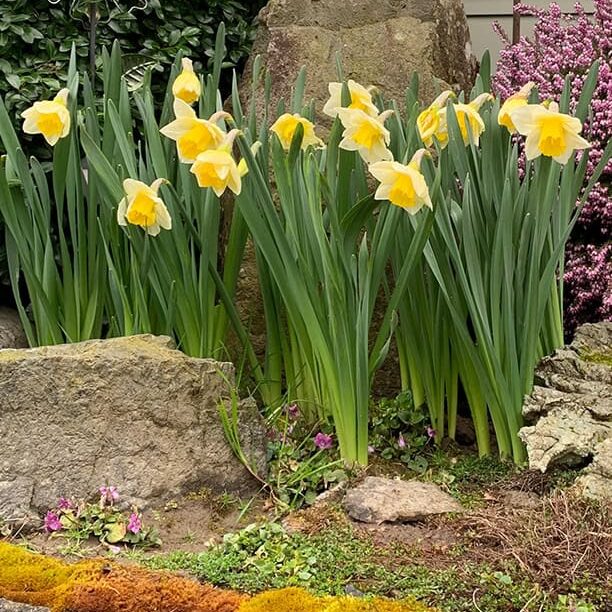
Bulbs are best seen en masse, so be generous and plant lots. For his 29th birthday, Henry F. du Pont, American horticulturist and creator of Delaware’s Winterthur Gardens and Museum, planted 29,000 daffodils on a hillside and continued planting thousands of bulbs throughout his life. Given the right conditions and care, most bulbs increase in number over time, so planting them increases the beauty added to the world. Some summer bulbs need to be dug in the fall and replanted in the spring because cold, wet soil can cause them to rot. “Know your site” is always a gardener’s mantra.
Fall Planting
The best time to plant spring-blooming bulbs is in early fall, such as the first weeks of October, so their roots get a chance to start growing before cold weather sets in. The fall rains will nurture bulbs. PNW soils have sufficient phosphorus, so they usually don’t need the addition of a chemical fertilizer. If you don’t know your soil type, perform a soil test.
Follow the planting instructions that came with the bulbs. A little deeper is better than too shallow. Remember the roots go down. Surprisingly, many people do not know which end of a bulb goes down. It is helpful to add a couple of inches of organic mulch on top of the soil. Mark the spot to remember where you’ve planted. Save the package label for reference, though surprises are fun.
In the fall, you can add organic mulch on top of all your garden beds. First remove any diseased plant material. Most bulb foliage will have decomposed by then. Dig up, clean, and store the tender summer bulbs such as Abyssinian gladiola (Gladiolus acidanthera/G. murielae), canna, caladium, and dahlias. Some people take a chance and leave their dahlias in the ground or treat them like annuals. It is your choice.
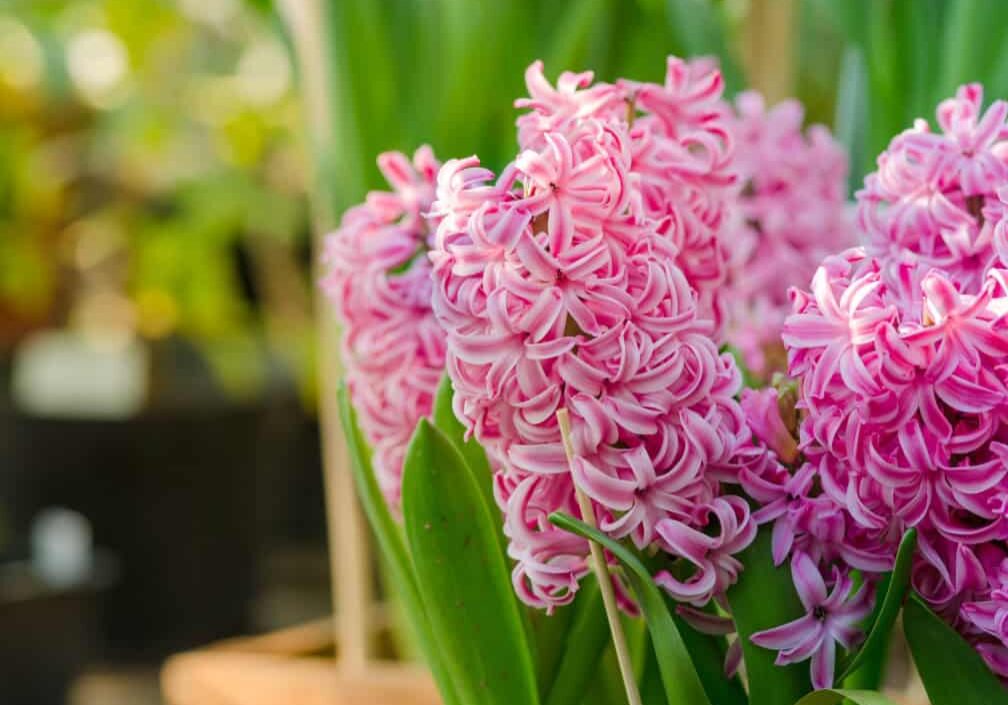
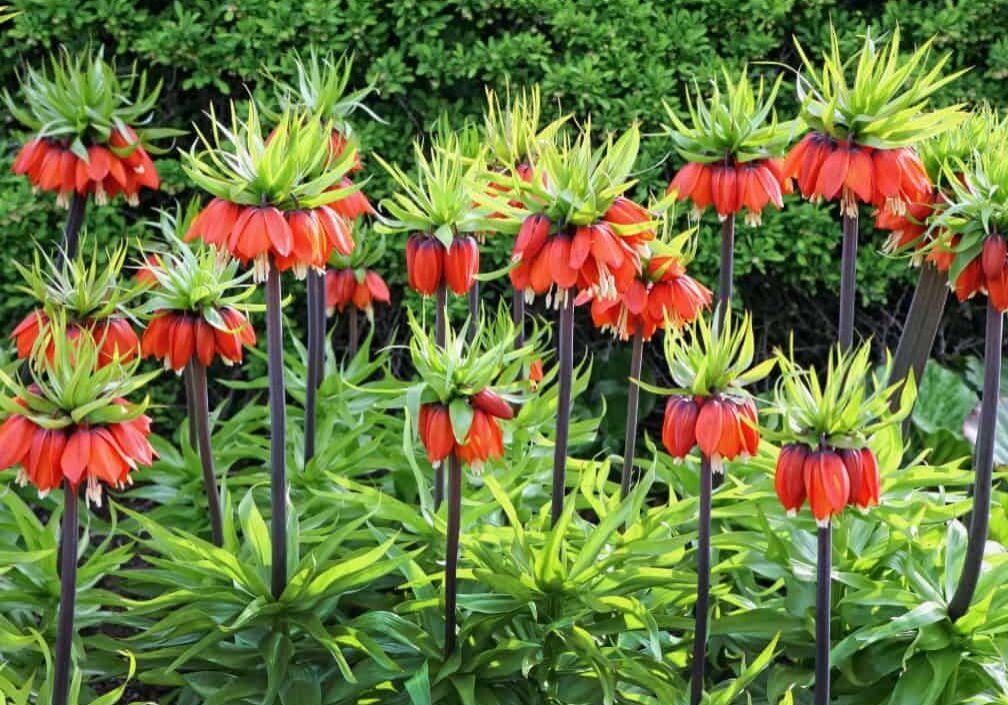
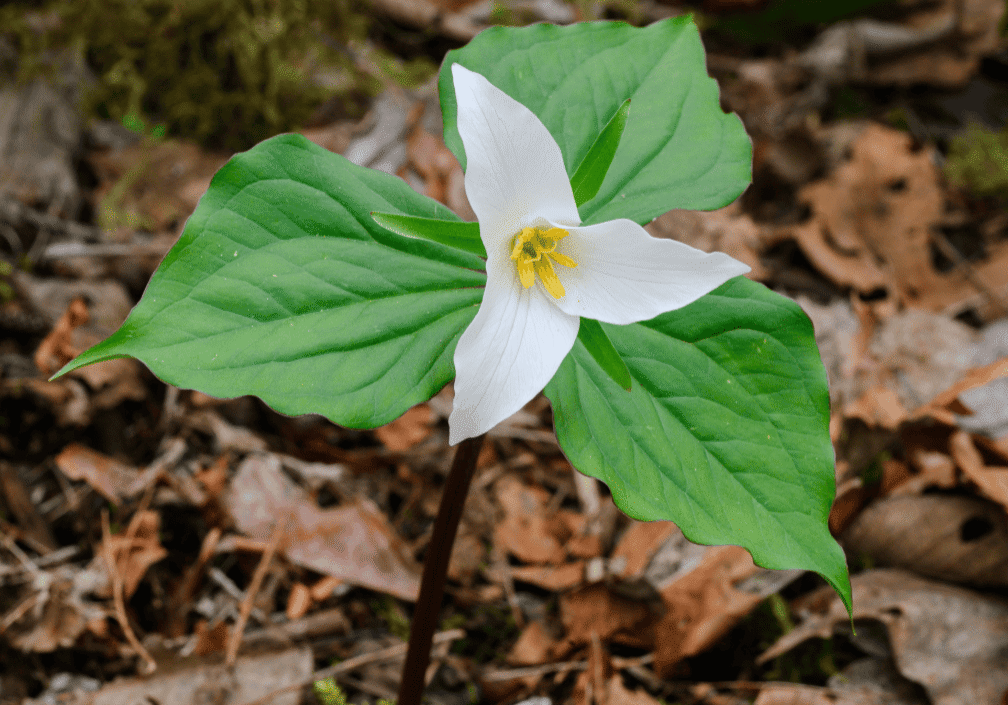
Spring-blooming bulbs to plant in the fall
Daffodil (Narcissus spp.), tulip (Tulipa), triplet lily (Triteleia), scilla (Scilla spp), grape hyacinth (Muscari spp.), hyacinth (Hyacinthus orientalis), fritillaria/crown imperial (Fritillaria imperialis), spring starflower (Ipheion), foxtail lily (Eremurus), snow iris (Iris reticulata), and snowflake (Leucojum) are popular examples. Bulb catalogs offer many more possibilities. A lovely flower to have is our native trillium (Trillium spp). Buy from a reputable nursery or try starting from seed. Do not attempt to dig and divide it. It will not survive.
Winter-blooming bulbs are also planted in autumn, typically 6-8 weeks before the ground freezes. Enjoy cyclamen(Cyclamen spp.)—some varieties bloom in November and December; some a little later. They will bloom in full shade. Cyclamen spreads nicely, but the corm gets very large and settled, which makes it difficult to divide. It needs its own space, left undisturbed.
A word of caution: Most bulbs like well-drained soil, except some iris. You may have to amend your soil with coarse grit or use raised beds if you have heavy clay soil. Do not water spring-blooming bulbs in the summer. They need to stay dry while they are dormant.
If you still have a package of unplanted bulbs in your garage, get them in the ground as soon as possible. They may not come up as readily or be as productive. If they are moldy or soft, do not compost them, put them in the garbage.
Control slugs and snails with a wildlife- and pet-friendly product. These voracious eaters start coming out to feed when temperatures reach 40° F. Most of us aren’t out in the garden then, but it is a good time to get out regularly to remove slugs and early weeds. Our cool-season weeds love this time of year and will produce large quantities of seed when you aren’t looking.
Spring—This is what you have been waiting for
Enjoy the fruits of your fall labor. Take time to look at your garden thoughtfully. Does your yard bring you joy and add beauty and enrichment to your neighborhood?
Summer Bloomers
The time to think about summer bulbs is in the spring. Many wonderful summer-blooming bulbs are worth considering. Many look beautiful on their own, and others look nice interspersed with shrubs and perennials such as peonies.
Early spring, after the last frost (typically in early May), is usually the safest time to plant summer flowering bulbs such as gladiola, canna, and other blooming bulbs and corms native to warmer climates. Dahlias can be started in pots indoors if you want a jump start for earlier flowering. For these bulbs to grow, garden soil needs to warm up, so Mother’s Day is a good time to plant dahlias in the ground. But be sure to bait for slugs, or you will think your dahlias are not coming up.
One of the nice things about summer bulbs is that they bloom the first year you plant them, and you can move them next year if that spot doesn't work out. This is not as easy to do with woody blooming plants. Sometimes peonies can take 3 years to bloom, and many perennials take 2 to 3 years to get well established and look their best.
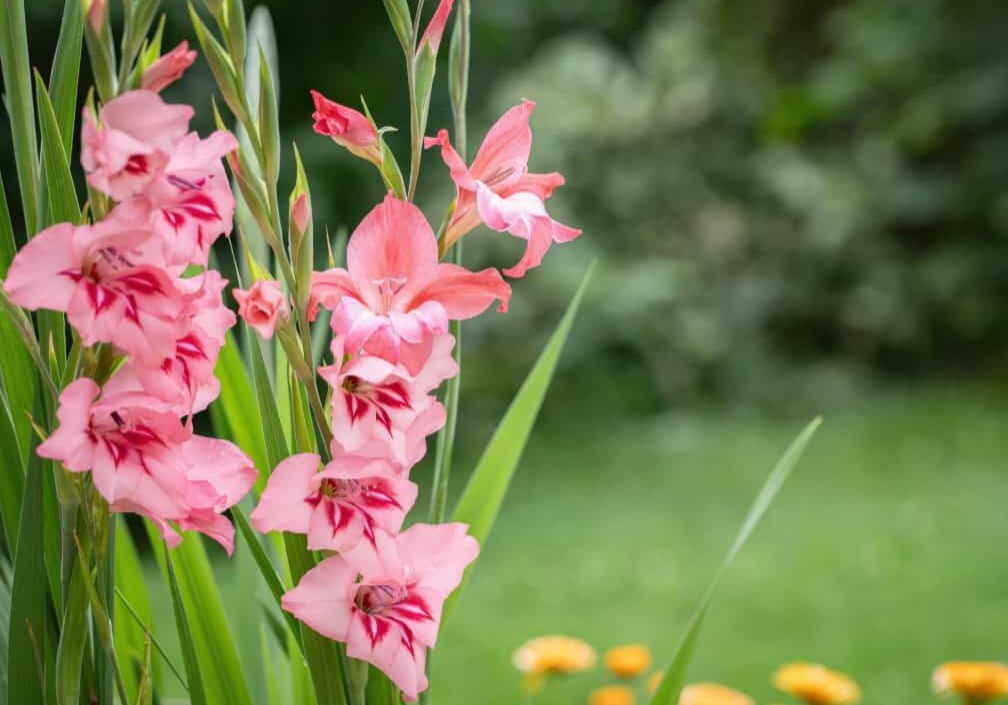
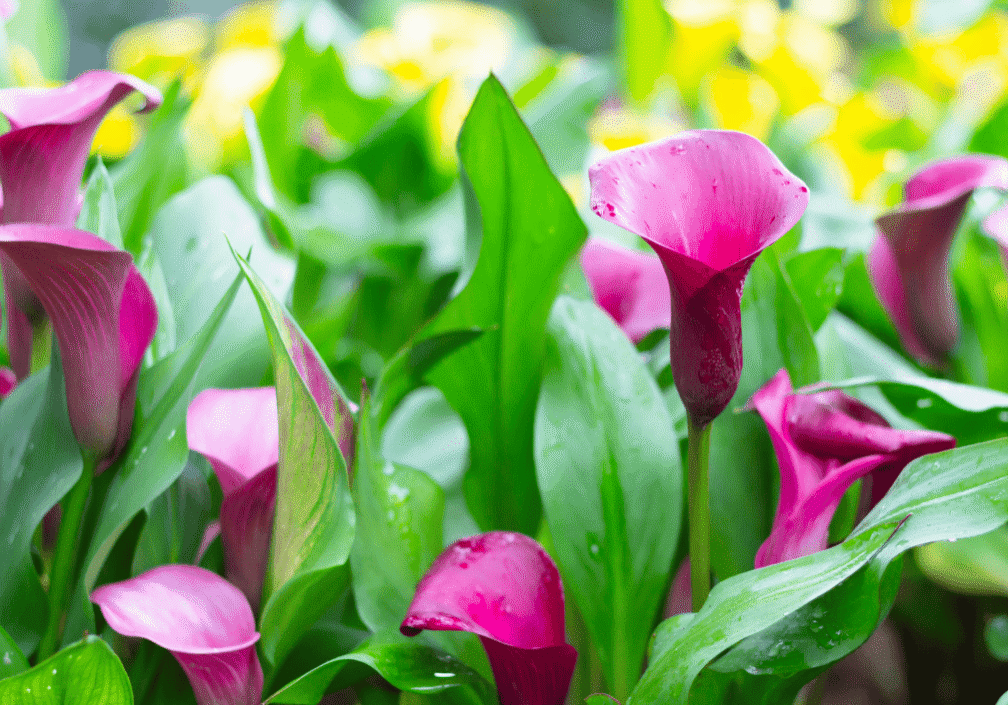
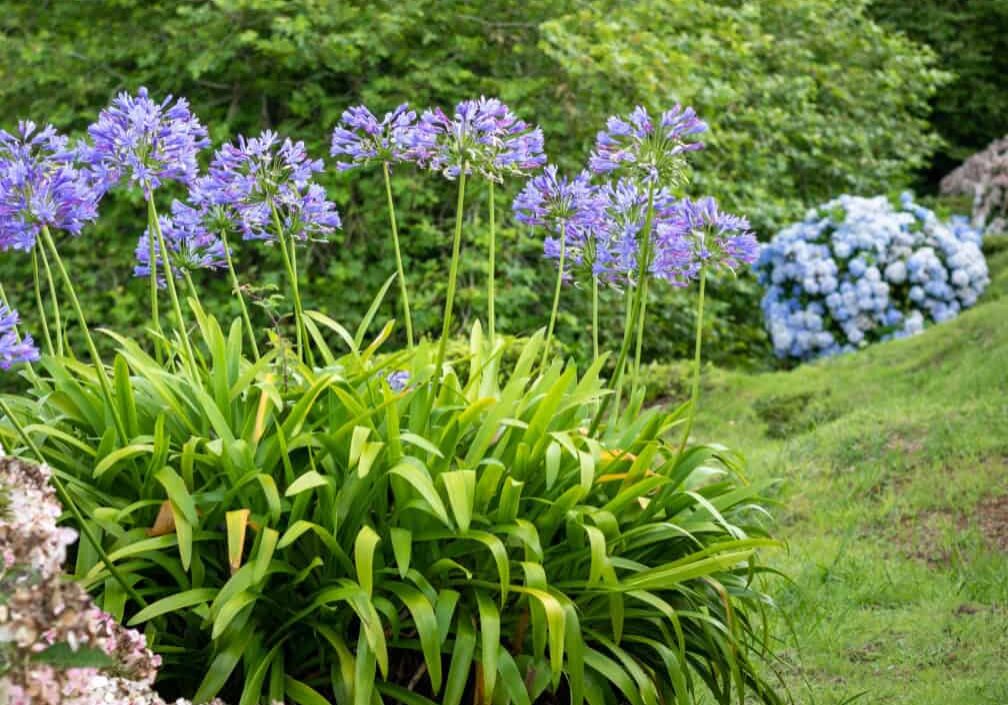
Summer-flowering bulbs you might like to try
- Lily (Lilium spp.). There are many types, some but not all are very fragrant. Some of the hybrid oriental lilies can grow 6-8 feet tall, making them beautiful in the back of a border garden. Lilies also do well in containers if you want to enjoy their scent on your patio.
- Allium (Allium spp.) is available in many kinds and sizes, from chives to the giant globemaster and every size in between.
- Begonia (Begonia spp.) comes in all sorts of flower and leaf colors now. Some are wonderful for hanging baskets, and others can grow quite tall. Begonias perform well in shadier areas
- Powell’s swamp lily (Crinum x powelli) has long, strappy leaves and multiple lily-like flowers and needs warmth.
- The scented gladiola, (Gladiolus acidanthera) is a small bulb to plant in bulk. It is very fragrant, and each has many blossoms over a long bloom time.
- Calla lily (Zantedeschia) is not a true lily. Most can tolerate wet soil.
- Lily of the Nile (Agapanthus), has striking cobalt blue flowers on long stems. It can be hardy here, but is better in pots with winter protection.
- Crocosmia ‘Lucifer’, is the popular bright red cultivar.
- Pineapple lily (Eucomis spp.) needs warmth and very good drainage. It takes up quite a bit of space.
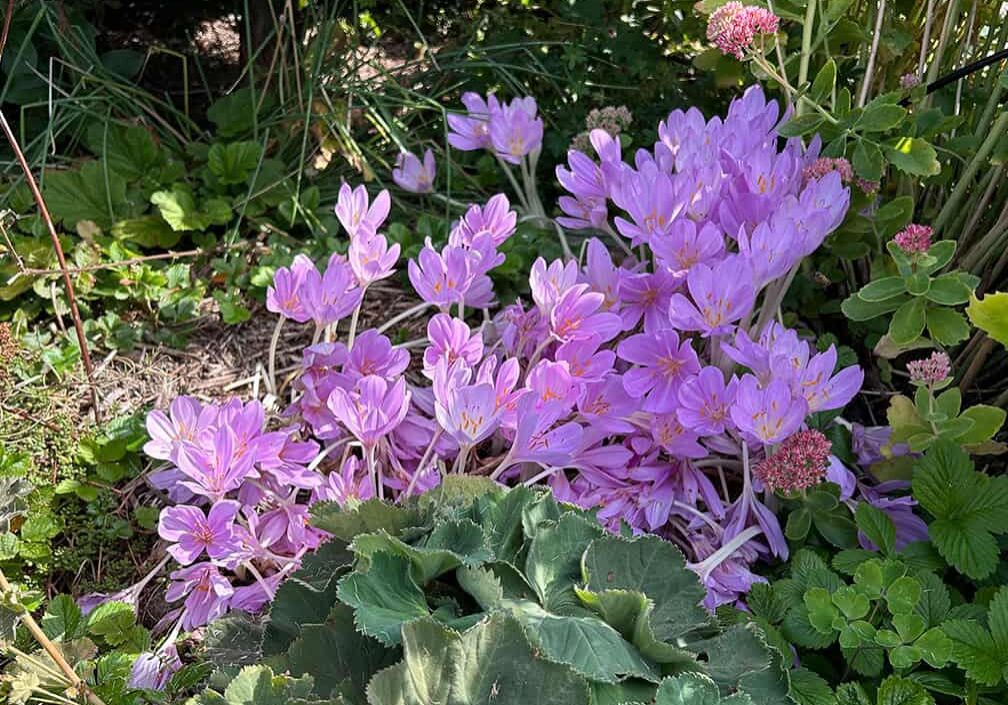
Some bulbs don’t bloom until late summer or early fall, such as autumn crocus (Colchicum autumnale), which is not a true crocus but resembles them. These are sometimes called naked ladies because their strappy leaves die away long before the flowers emerge. Also good for late summer are crimson flag (Hesperantha coccinea), gayfeather (Liatris spp.), and spider lily (Nerine spp.).
As the blooming season wanes and foliage begins to die back, relax and let it be. The plant is making next year’s flowers. You can add fertilizer, but let the leaves do their thing on their own time so their flowers can come back and bring you happiness next year.
If you want to take a deeper dive into learning about bulbs, corms, rhizomes, and tubers jump over to our blog post titled The Amazing World Of Geophytes.
References and Resources:
Ashmun, B. (1996) “200 Tips for Growing Flowers in the PNW”. Chicago Review Press, Chicago, IL
Bryan, J. (1994) “Bulbs”. Prentice Hall Macmillan, New Jersey.
Carey, J. (2026) “The Essential Guide to Growing Bulbs”. Timber Press, Portland, OR
(1997) “Bulbs” Eyewitness Garden Handbooks, DK Publishing
Hill, L. and Hill, N. (1999) “Bulbs- Four Seasons of Beautiful Bloom”. Storey Communications, North Adams, Massachusetts.
Lovejoy, A. (1995) “Seasonal Bulbs for PMW Gardens” Sasquatch Books, Seattle, WA
Mathew, B. and Swindells, P. (1994) “The Complete Book of Bulbs, Corm, Tubers and Rhizomes” Reader’s Digest Publications
McDowell, M. (2023) “Du Pont Gardens and The Brandywine Valley” Monacelli Press, New York, NY
van der Kloet, J. (2023) “Growing Bulbs in the Natural Garden” Timber Press, Portland, OR

Diana Wisen
ABOUT THE AUTHOR:
Diana Wisen has been a Skagit County WSU Extension Master Gardener since 1991 and is the coordinator of the Hardy Fuchsia Garden at the Discovery Garden, and speaks regularly on many garden topics including the joy of bulbs, weed identification, and slug and snail management.
Questions about home gardening or becoming a master gardener may be directed to Skagit County WSU Extension Office, 11768 Westar Lane, Suite A, Burlington, WA 98233; by phone: 360-428-4270; or via the WSU Extension Skagit County Master Gardener website.
Washington State University Extension helps people develop leadership skills and use research-based knowledge to improve economic status and quality of life. Cooperating agencies: Washington State University, US Department of Agriculture, and Skagit County. Extension programs and policies are available to all without discrimination. To request disability accommodations contact us at least ten days in advance.
Thank you Diana! I’m anticipating those spring flowers now.
Great article! You have me inspired to get some bulbs in the ground for next spring.