

Fall Pruning and Seasonal Care for Shrubs and Trees
By Anne Kurt, WSU Extension Skagit County Master Gardener
At the tail end of summer, it seems that most of the hard labor of May, June, and even July has lightened up, and we’re able to spend more time admiring the results of another glorious gardening season in the Pacific Northwest.
Our veggies are ready for harvest, late-season flowers are still blooming, and shrubs and trees are starting to change color, alerting us that autumn is just around the corner. The moderate temperatures are inviting, making this a great time to take a look around, assess what went well, and start thinking about transitional tasks for fall.
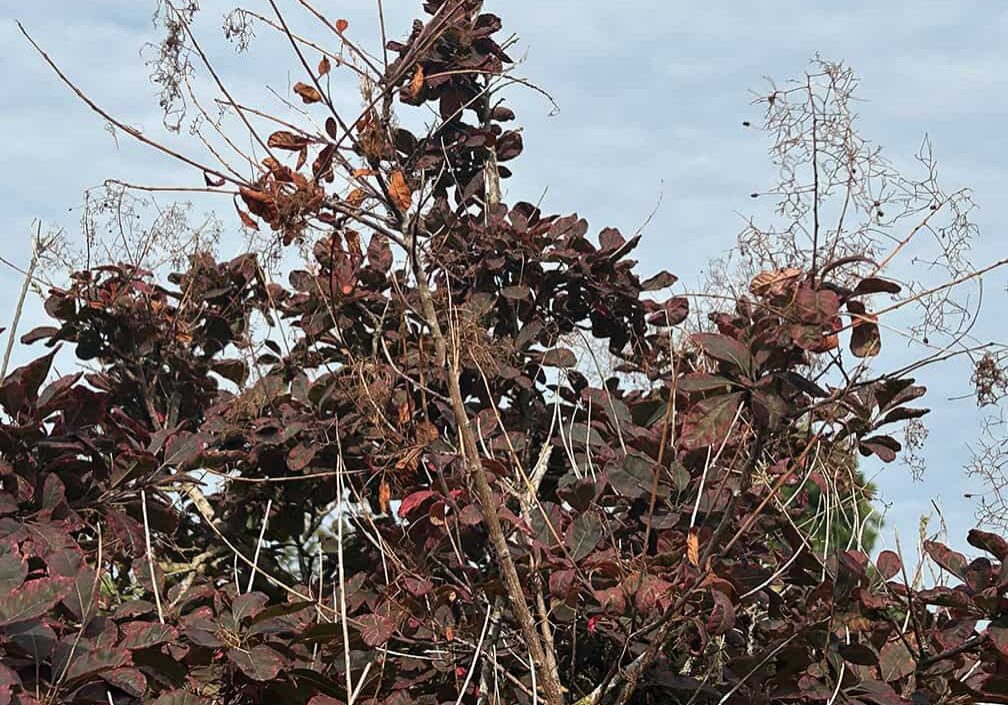
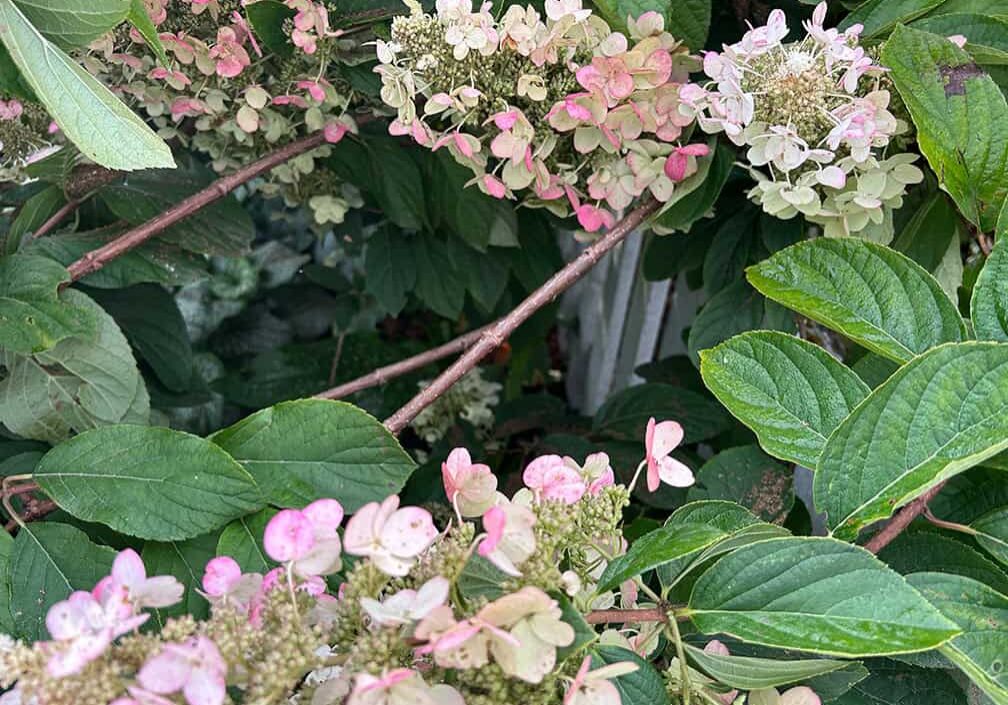
By now, you should also be able to see how your shrubs responded to spring pruning. Cuts in the spring produced a rush of new growth that you can continue to shape through summer. However, as we enter fall, we must carefully evaluate which tasks help plants prepare for winter and which ones should wait until spring.
This time of year, the growth response in our shrubs and trees has slowed down so roots can store energy for dormancy. Pruning cuts can trigger tender new shoots that are susceptible to the freezing temperatures that winter brings. Open pruning wounds are slower to seal when the weather is cool and damp, increasing vulnerability to insects, disease, or rot. Many shrubs have already set buds for next year's flower display, so improper pruning could also cost a full season of blooms!
 Mark Your Calendar for These Free
Know & Grow Workshops
Spectacular Fall Color - How You Can Have it in Your Garden
Tuesday, September 15, 2026
1:00 pm - 2:30 pm
Prepare Your Garden for Fall and Winter
Tuesday, October 20, 2026
1:00 pm - 2:30 pm
Creating an Award-Winning Display Garden for the NW Flower and Garden Festival
Tuesday, November 10, 2026
1:00 pm - 2:30 pm
Sakuma Auditorium
16650 SR 536, Mount Vernon, WA 98273
As you are tidying up for the season, understand growth and flowering habits before making any cuts, then focus your pruning on the following:
- Prune dead, damaged, or diseased wood any time of year. Evaluate any crossing or deranged branches. If removal creates a larger wound, it may be best to wait until late winter or spring to provide the best opportunity for healthy healing.
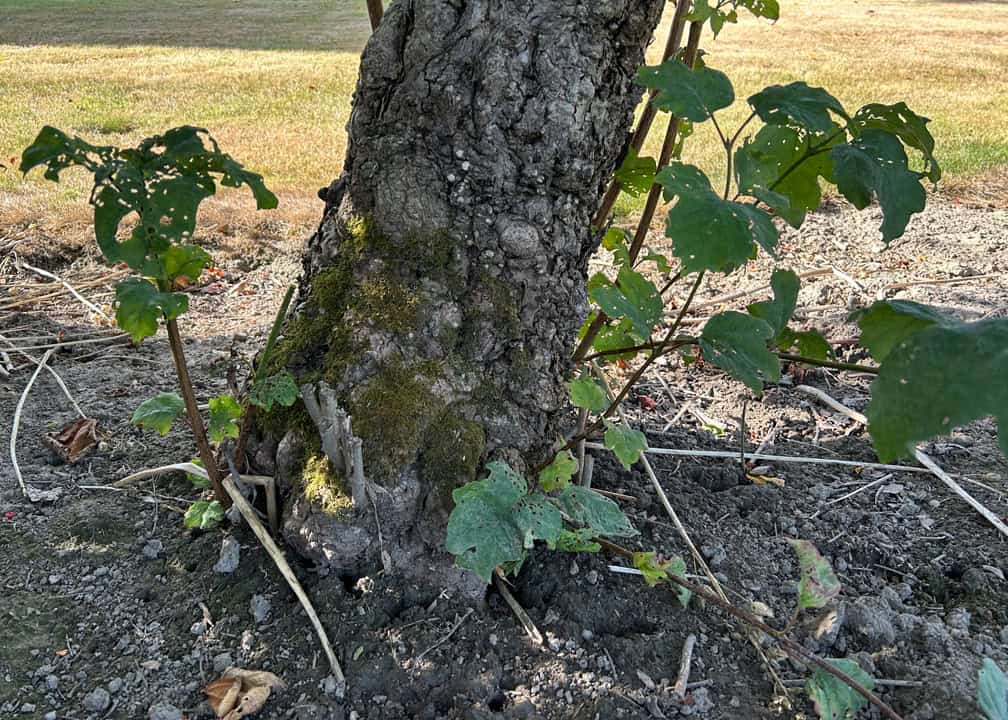
- Remove suckers from the base of shrubs or trees. These tender shoots are usually lighter in color and shoot straight up from the trunk at the base.
- Trim branches that are rubbing against a structure or creating a safety concern to people or property. Hazardous limbs at risk of wind or snow damage should also be removed (broken branches can tear bark or split trunks, causing severe injury to trees and shrubs).
Refrain from pruning shrubs that bloom on old wood, as these have already set buds for next year. Rhododendrons, big leaf and oak leaf hydrangeas, forsythia, pieris and lilacs are a few examples of shrubs in this category. Removing a small branch back to its point of origin will not affect overall flowering, but wait until after spring flowering for most pruning needs.
Shrubs that bloom on new wood can tolerate fall pruning, but wait until their leaves have dropped and they have entered dormancy. After cutting out dead, diseased and damaged branches, you can gently shape shrubs by trimming back stems up to one-third their volume. These include:
- Panicle (Hydrangea paniculata) and smooth (H. arborescens) hydrangeas
Deadhead spent blossoms to prevent snow from weighing down and potentially snapping branches; but do consider leaving a few flowers for overwintering birds and beneficial insects. Read more about identifying and pruning hydrangeas.
- Japanese spirea (Spirea japonica)
If the shrub has become overgrown or leggy, pruning during dormancy will encourage healthy, compact growth in the spring. After the shrub has dropped its leaves, cut all stems to 6”-12” above the soil. However, spring bloomers like bridal veil spirea should be pruned immediately after flowering.
© Adobe Stock
Planting Shrubs and Trees
Autumn is an ideal time to install, transplant, or relocate shrubs and trees. The moderate temperatures and Mother Nature’s water contributions ease stress on plants as they settle into their new space. Evergreens can be transplanted in early to mid-fall, but deciduous shrubs and trees should wait until after the leaves drop in late fall. Wait until spring for either variety to do any pruning, so the plant has time for the roots to become established.
When planting, dig a hole twice the diameter of your root ball and ensure the hole is well watered. Gently loosen or detangle any binding roots in the root ball. Place the root ball in the hole, ensuring the root collar (the flare where the trunk meets the roots) is about 1” above ground level to allow for settling. Backfill with soil and water again. Monitor watering needs and supplement during any dry spells. Mulch around the base of the plant, leaving about 3” around the trunk area clear.
As leaves begin to fall, we have an opportunity to insulate sensitive trees and shrubs from harsher days of winter. Fallen leaves applied as mulch around the base can act as a thermal blanket protecting roots from freezing. This mulch also provides a winter habitat for beneficial insects and worms that will enrich your soil. Simply rake or blow leaves around the base of your shrubs, trees, and garden beds. Avoid using a mower to shred and collect leaves, as it can disturb insects and eggs that may already be present. Using leaf litter for mulch will also help suppress weeds and retain moisture while decomposition provides the soil with valuable nutrients.
As the gardening season winds down, we often have a strong desire to “tidy up,” but keep in mind that not every shrub needs a haircut and not every fallen leaf needs to go into the yard waste bin. Resist the urge to over-prune, plant wisely, and put fallen leaves to good use. The result may not be the tidiest garden in the neighborhood, but beneath the surface, roots are growing, beneficial insects are finding shelter, and plants are quietly preparing for spring. This is your time to step back, let plants rest, and anticipate the beauty that next spring will deliver.
References and Resources:
Reasons to Prune Trees and Shrubs (Home Gardening Series). Washington State University Extension
Kohlhauff, T. Pruning Woody Landscape Plants. Washington State University Extension
General Care for Hydrangeas. (2018) Oregon State University Extension
Lilly, S., Gilman, E., Smiley, E.T. (2018) Best Management Practices: Pruning. International Society of Arboriculture, Atlanta, GA
Leave the Leaves Xerces Society for Invertebrate Conservation, Portland, OR

Anne Kurt
ABOUT THE AUTHOR:
Anne Kurt is a Pacific Northwest gardener and certified Skagit County WSU Extension Master Gardener (2024) with a passion for sound, research-based landscape care. In early 2026, she became a certified Master Pruner through Plant Amnesty, deepening her knowledge of proper pruning techniques and principles. She gardens in Skagit County and enjoys sharing what she learns with fellow gardening enthusiasts.
Questions about home gardening or becoming a master gardener may be directed to Skagit County WSU Extension Office, 11768 Westar Lane, Suite A, Burlington, WA 98233; by phone: 360-428-4270; or via the Skagit County WSU Extension website.
Washington State University Extension helps people develop leadership skills and use research-based knowledge to improve economic status and quality of life. Cooperating agencies: Washington State University, US Department of Agriculture, and Skagit County. Extension programs and policies are available to all without discrimination. To request disability accommodations contact us at least ten days in advance.