Post: January 3, 2026
Phenology in Nature
Studying nature’s cycles and signals for greater understanding in the garden
By Kathy Wolfe, Skagit County WSU Extension Master Gardener

Kathy Wolfe
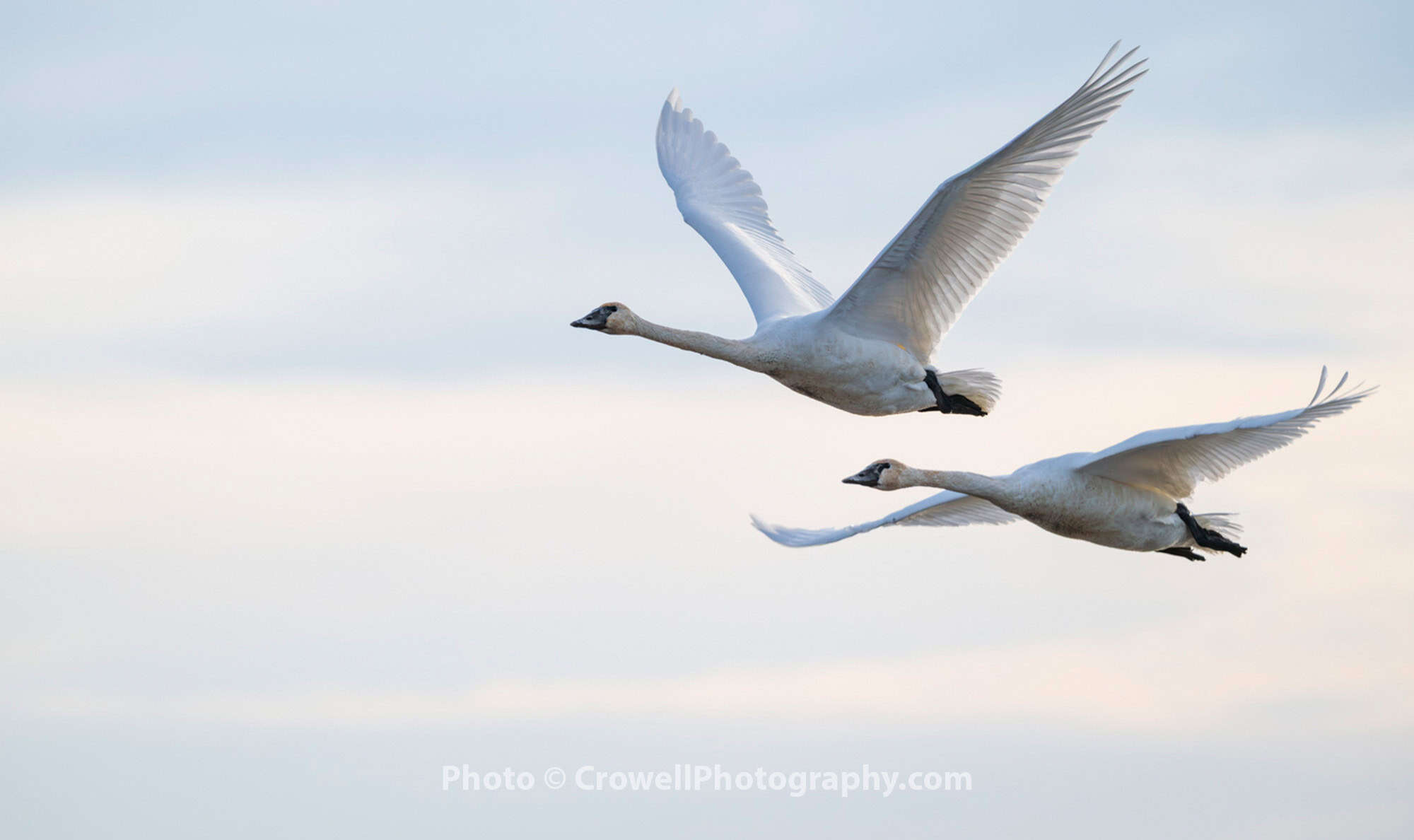
Birds migrate, plants and flowers bloom, certain insects appear, frost arrives, leaves bud or fall, all as part of our seasonal year. The garden does not pace itself to our calendar. Spring may come early one year and later another. By reading certain biological phenomena, we can accurately predict when to plant particular plants, when to worry about the arrival of unwanted weeds and insects, and when to protect our plants from frost.
Phenology is the study of the periodic events in biological and animal life cycles and how seasonal and interannual variations influence them. It is an ancient craft used by our ancestors to manage their lives and their crops successfully and uses natural indicators to read the progress of climatic cycles. Without the ability to learn from and act upon clues taken from seasonal changes, human survival could be jeopardized.
Crowell | Crowell Photography
The word phenology comes from the Greek “plaino” meaning to show or appear. It is the study of the timing of biological events in plants and animals, such as flowering, leafing, hibernation, migration, and reproduction.
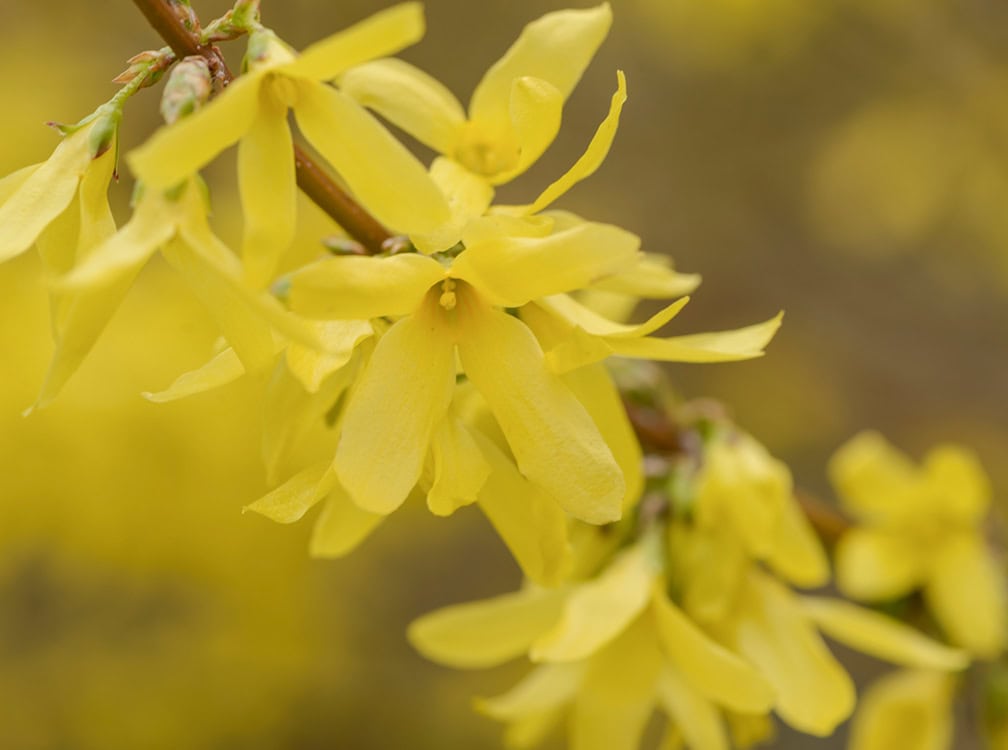
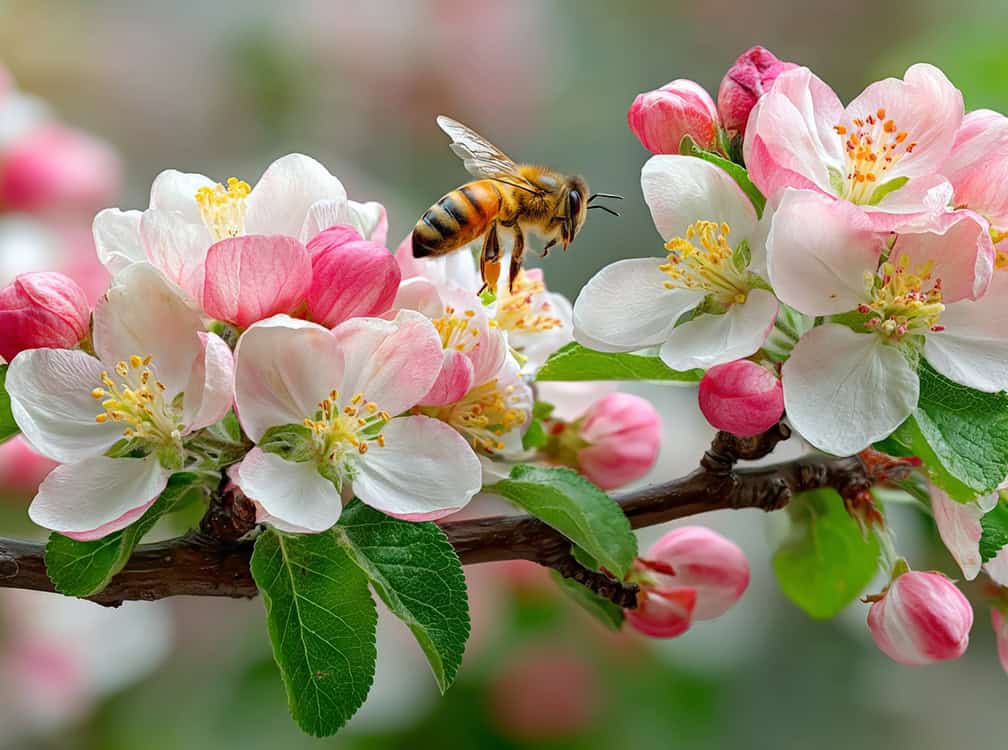
The Chinese are thought to have kept the first written records dating back to 974 B.C. Early indigenous peoples determined that corn should be planted when the oak tree leaves were the size of a squirrel’s ear. Early settlers in Kentucky noted that green peas should be planted at apple blossom time. Some say the unique call of the whippoorwill is saying, “Plant your peas! Plant your peas!” Northern farmers found that Irish potato yields were best when planted as dandelions began blooming in open, sunny spots. Dandelion blooms also indicated planting time for beets and carrots. Other time-honored correlations included planting hardy crops such as asparagus, rhubarb, horseradish, and strawberries when peach and plum trees bloom; planting perennials when maple leaves emerge from buds; watching for lilac bloom to plant squash and beans, and pruning roses when forsythia blooms. Some famous historical figures who recorded their own phenology observations include Thomas Jefferson, Aldo Leopold, and Henry David Thoreau.
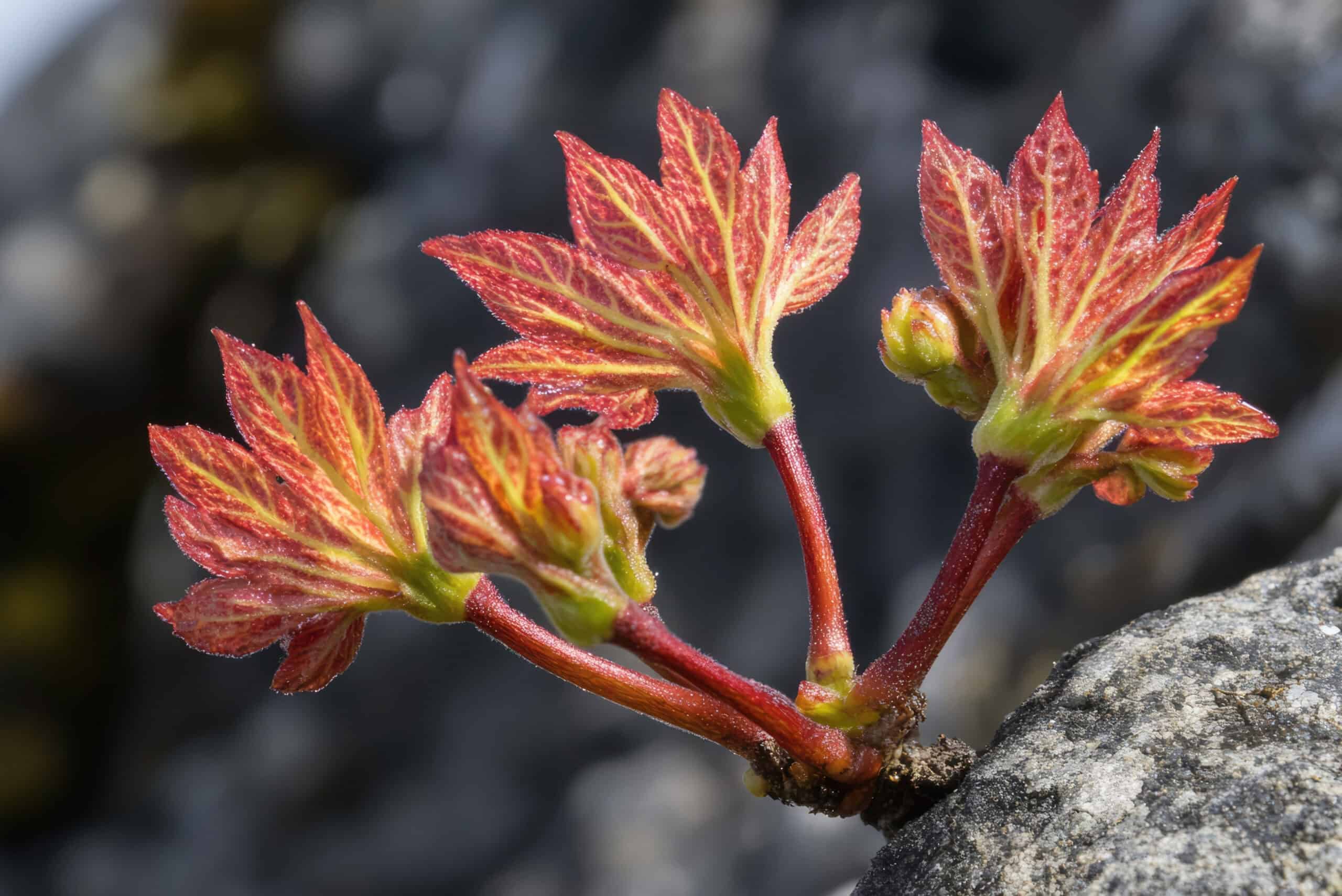
perennials. © Adobe Stock
Many seasonal events in animals and plants are tightly tied to temperature. Other environmental variables, such as day length, available moisture, and water temperatures, frequently play a role. Global changes, such as urbanization and habitat fragmentation, also shape phenology. Plants and animals use a combination of these to determine their breeding, migration, bloom, and other life cycles to thrive.
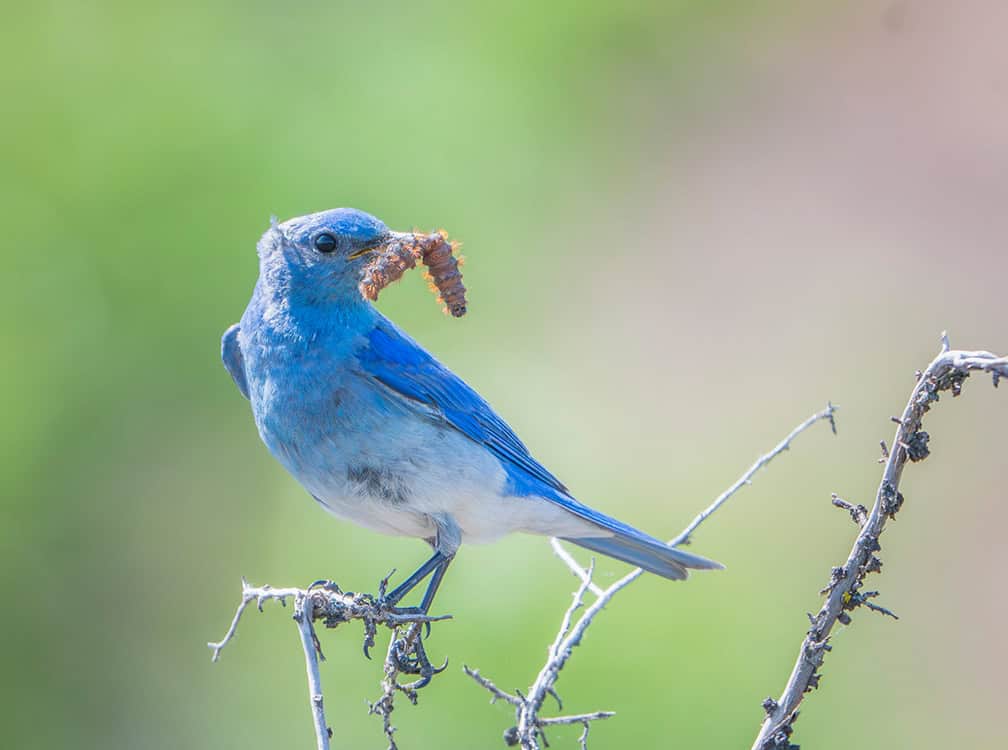
If two species require the same combination of factors, these cycles coincide. Migration or breeding could occur later in a cool spring year and earlier in a warm one, but they have always appeared together. So, when a caterpillar emerges and needs leaves to eat, or when chicks hatch and need caterpillars, those foods are available to them at the right time. A balance is established, and a cycle begins. When plants and their pollinators become mismatched, both parties suffer. Plants lose their pollination services, and pollinators lose their food source.
Extensive phenology data is collected from the ancient archives of Asian monks, farming records from the seventeenth, eighteenth, and nineteenth centuries, biological records that study preserved, pressed plant collections from early explorers, almanacs, meteorologists, satellites from around the world, nature journals, and even old photographs. Comparing this information with our current records concludes that springtime is arriving earlier and global temperatures are rising. As temperatures rise earlier, trees leaf out, flowering, and fruiting advance.
Autumn patterns are not as easily chronicled as those in spring because events such as leaf color change and leaf drop can be affected not just by temperature but also by day-length and available moisture. In general, these autumn events are shifting later in the year. Globally, some animals are also changing their breeding season and migratory patterns.
This information is fascinating, but how does this affect me? Some changes that may occur are:
At the grocery store
Crop success depends on many factors, including daily temperatures, rainfall, extreme weather events, and the presence of pollinators, pests, and diseases, all of which farmers track and use to make decisions on sowing and harvesting, fertilizing, optimizing disease and pest management, and crop rotation. How farmers adapt to these changes affect crop availability and pricing.
Other ramifications include if fruiting plants like blueberries, cherries, and apples bud out early and the last frost hits, the tender plant tissue may be exposed to freezing temperatures, jeopardizing fruit production.
Many fruit and nut trees, such as pears, peaches, plums, walnuts, almonds, and pistachios, require exposure to a winter chilling period to produce a large quantity of fruit. Extremely warm winters can affect their fruit yield and quality.
In springtime, if plants are cued by warmer temperatures to leaf out and bloom earlier, and insects use day-length as an indicator for hatching, mismatches in the species’ interactions for pollination are significantly reduced, and seeds are less likely to form.
Longer growing seasons and our health
To those allergy sufferers out there, you are not imagining that you are having stronger and longer reactions year-to-year. Since 1990, the pollen season has lengthened by more than 20 days in the U.S., and the amount of pollen generated by wind-pollinated plants has increased by about 20%.
Milder winters and a longer growing season
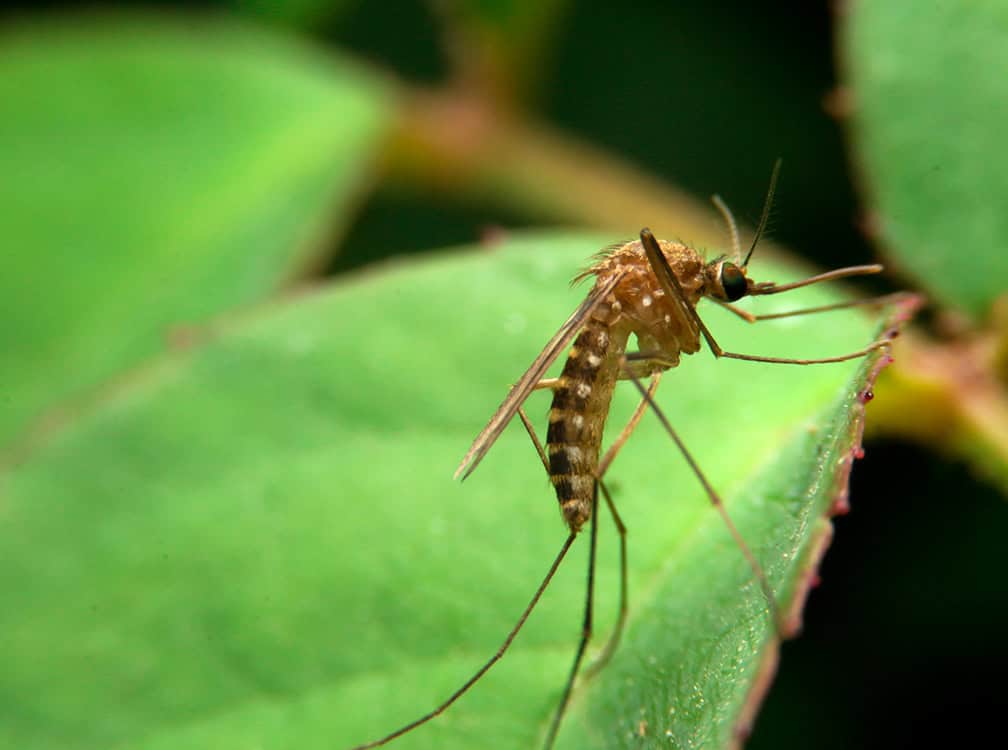
We gardeners are all in favor of a longer growing season. Unfortunately, these conditions also foster early emergence and longer life-cycles for disease-carrying insects such as ticks, which transmit Lyme disease, and mosquitoes, which transmit dengue, West Nile virus, encephalitis, and malaria.
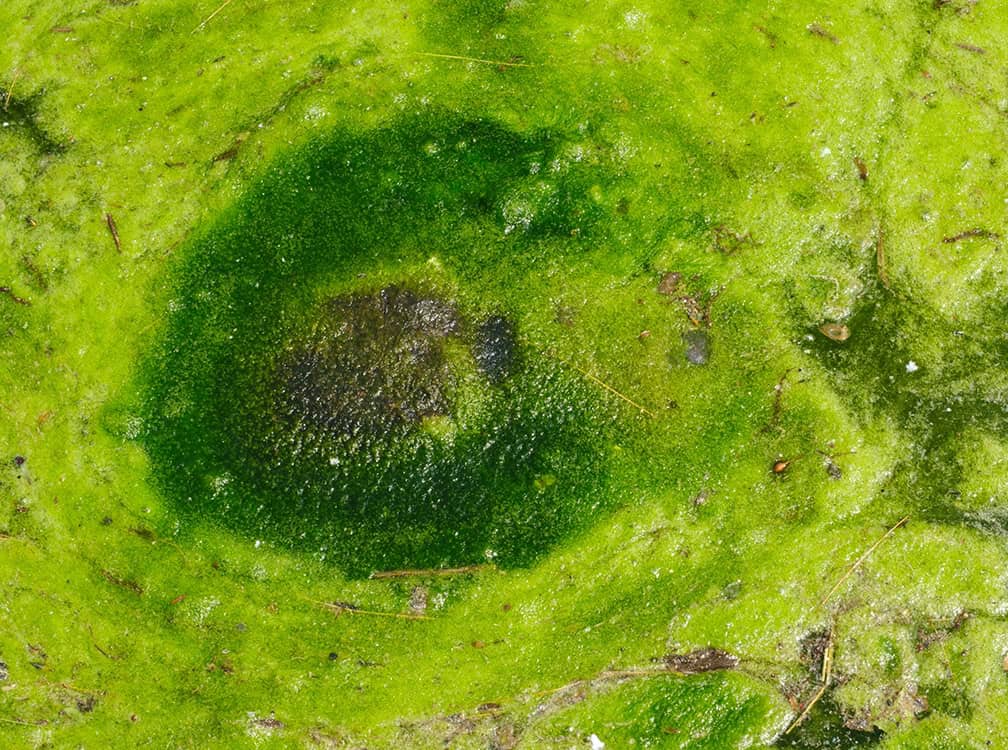
Waterborne illnesses from warmer, fresh, and marine waters promote the growth of harmful bacteria, algae, viruses, and parasites. These are but a few of the changes observed in both the biological and animal worlds due to longer springs, as noted in current phenology data.
Phenology is a valuable tool for understanding the interconnected relationship between living organisms and their environment. Knowing changes in data helps monitor climate change, support agricultural planning, support wildlife management, monitor ecosystem health, and support cultural practices. Even as nature is beginning to adapt in some areas, it is important to watch, record, and learn to make the best decisions moving forward.
If you are intrigued about what is happening in your immediate environment, it is simple to start your own adventure into phenology. Begin by observing, taking notes, and tracking events in your garden or yard year-to-year. Common examples include the dates when migrating birds return, the first flowering dates for plants, and the dates when a lake freezes in the autumn or thaws in the spring. Notice the duration of events and connect them by using simple knowledge. Use the information you gather to plant your garden using natural cycles. You will learn more about your world and the beautiful intricacies of nature than you ever imagined.
To participate further in the phenology adventure, go to the USA National Phenology Network Nature’s Notebook project and become involved. You can watch a YouTube video on what this involves on their website listed below. For a deeper dive, read University of Arizona Associate Professor Theresa M. Crimmins’ new book Phenology, part of the MIT Press Essential Knowledge series.
Resources for more information:
Crimmins, T. (2025) Phenology MIT Press Essential Knowledge series
USA National Phenology Network.
“Monitoring phenology on the National Wildlife Refuge System” UWFWS Phenology Network – a collaboration between the United States Forest and Wildlife Service and the USA National Phenology Network.
Karns, G. (2022) “The Ohio State Phenology Calendar: Understanding Nature’s Biological Clock”, Ohio State Maple publication, The Ohio State University College of Food, Agricultural and Environmental Sciences.
Project Budburst, Chicago Botanical Garden, Regenstein School.
Delahaut, K. (2012) “What is ‘Phenology” University of Wisconson-Madison, Wisconsin Horticulture Division of Extension.
ABOUT THE AUTHOR:
Kathy Wolfe has been a Skagit County WSU Extension Master Gardener since 2002. She is co-manager of the vegetable garden at the Discovery Garden on SR 536 west of Mount Vernon.
Questions about home gardening or becoming a master gardener may be directed to Skagit County WSU Extension Office, 11768 Westar Lane, Suite A, Burlington, WA 98233; by phone: 360-428-4270; or via the Skagit County WSU Extension website.
Washington State University Extension helps people develop leadership skills and use research-based knowledge to improve economic status and quality of life. Cooperating agencies: Washington State University, US Department of Agriculture, and Skagit County. Extension programs and policies are available to all without discrimination. To request disability accommodations contact us at least ten days in advance.