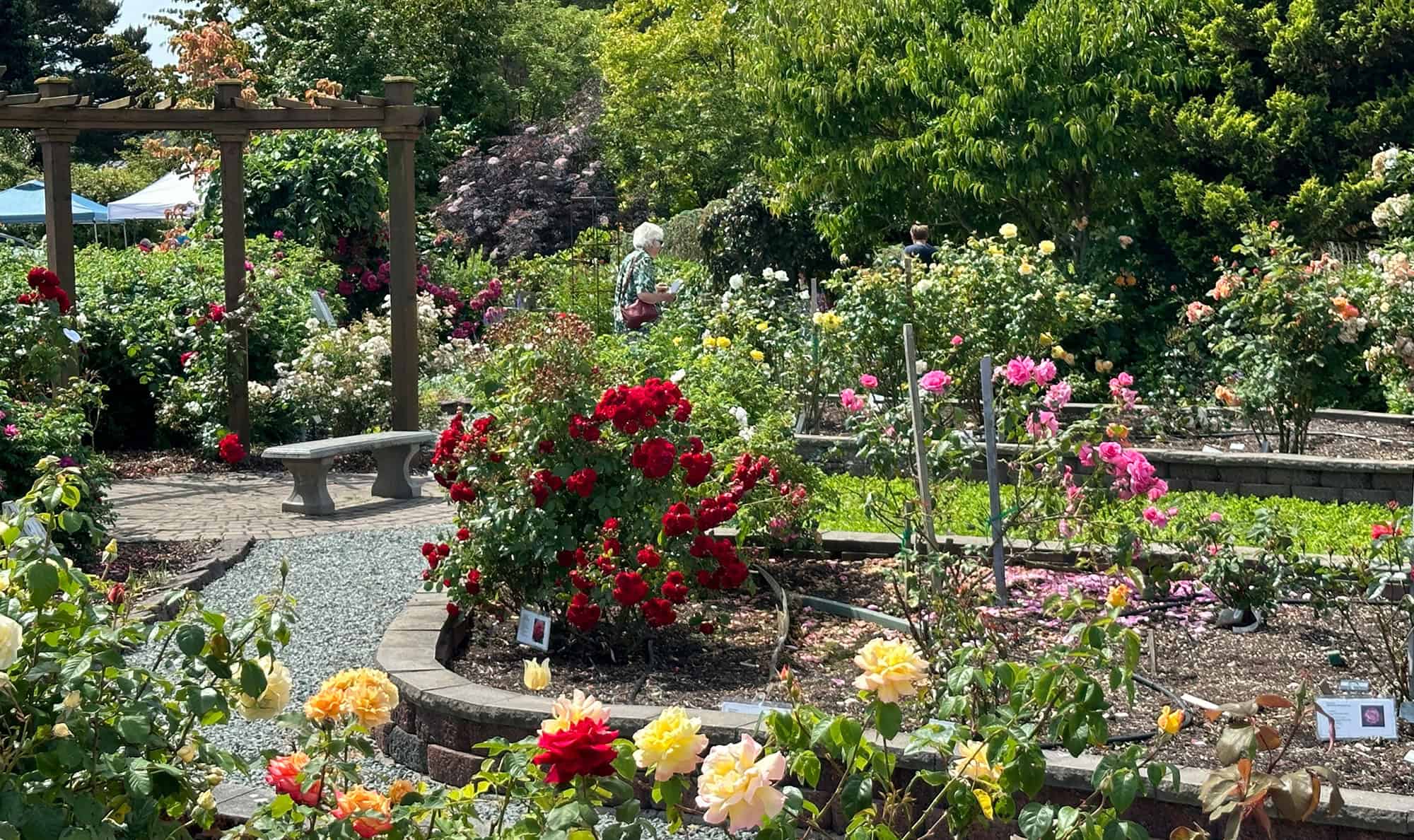
roses blooming in Discovery Garden

Garden Open House and Ask a Master Gardener Day:

Eight acres, three gardens, infinite inspiration

Open House to Showcase Master Gardeners, Native Plant Society, and NW Fruit

May 1, 2025

Subscribe to the Blog >


By Kari Ranten, Skagit County WSU Extension Master Gardener

Kari Ranten

Want to know about gardening – from roses to vegetables? Want to learn more about including native plants in your landscape? Ever wonder how to grow, graft, and prune fruit trees? Learn about all of this and more at the annual Garden Open House on Saturday, June 28, 2025, in Mount Vernon.

Eight acres of gardens showcase amazing trees and native plants at the event slated for 10 a.m. to 2 p.m. at 16602 State Route 536 (Memorial Highway), just west of the Washington State University Northwestern Washington Research and Extension Center.

The event, sponsored by the Skagit County WSU Extension Master Gardener Program, takes place at gardens maintained by volunteers representing the Master Gardener Program, NW Fruit, and the Salal Chapter of the Washington Native Plant Society. In addition, several partner organizations will present interactive displays and information on clean water, noxious weeds, maintaining healthy landscapes, and promoting pollinators, birds, and other wildlife.

This annual event offers home gardeners in Northwest Washington the opportunity to experience a wide range of gardening skills, view hundreds of plants and trees, and learn ways to respect the environment. Master gardeners and many partners enjoy this opportunity to share the gardens and educate our neighbors. And it’s a great, free summer event for the whole family.
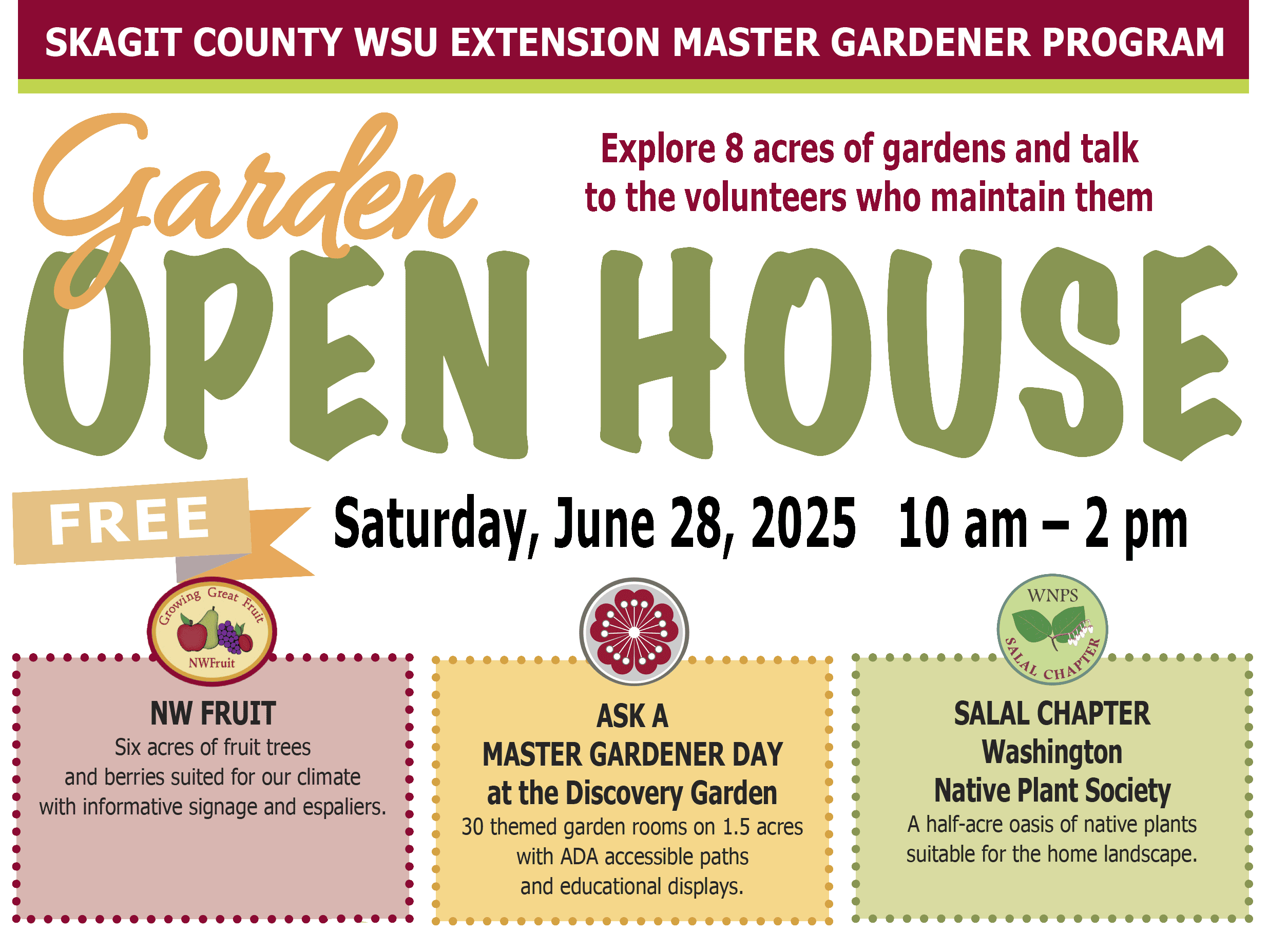
graphic showing three gardens in open house

Join Us for a Three Garden Open House

Saturday, June 28, 2025
10 am – 2 pm
Discovery Garden
16602 State Route 536 (Memorial Hwy.)
Mount Vernon, WA 98273
Fun Activities for Kids  ~  Plant Sale
Water Conservation Experts  ~  Noxious Weed Information
30+ Garden Rooms  ~  Plant Clinic and Gardening Help
Native Plants  ~  Pollinators
Talk to Fruit Tree Experts

The open house is a great venue to talk about the mission of the Master Gardener Program and to provide evidence-based scientific information for the home gardener. It is also a wonderful event and very rewarding to meet and exchange ideas with local gardeners.

The open house will feature three gardens:

The Discovery Garden
people at open house in discovery garden
The open house is a great venue to talk about the Master Gardener Program and to meet and exchange ideas with local gardeners. Credit: © Skagit County Master Gardeners

The Salal Garden

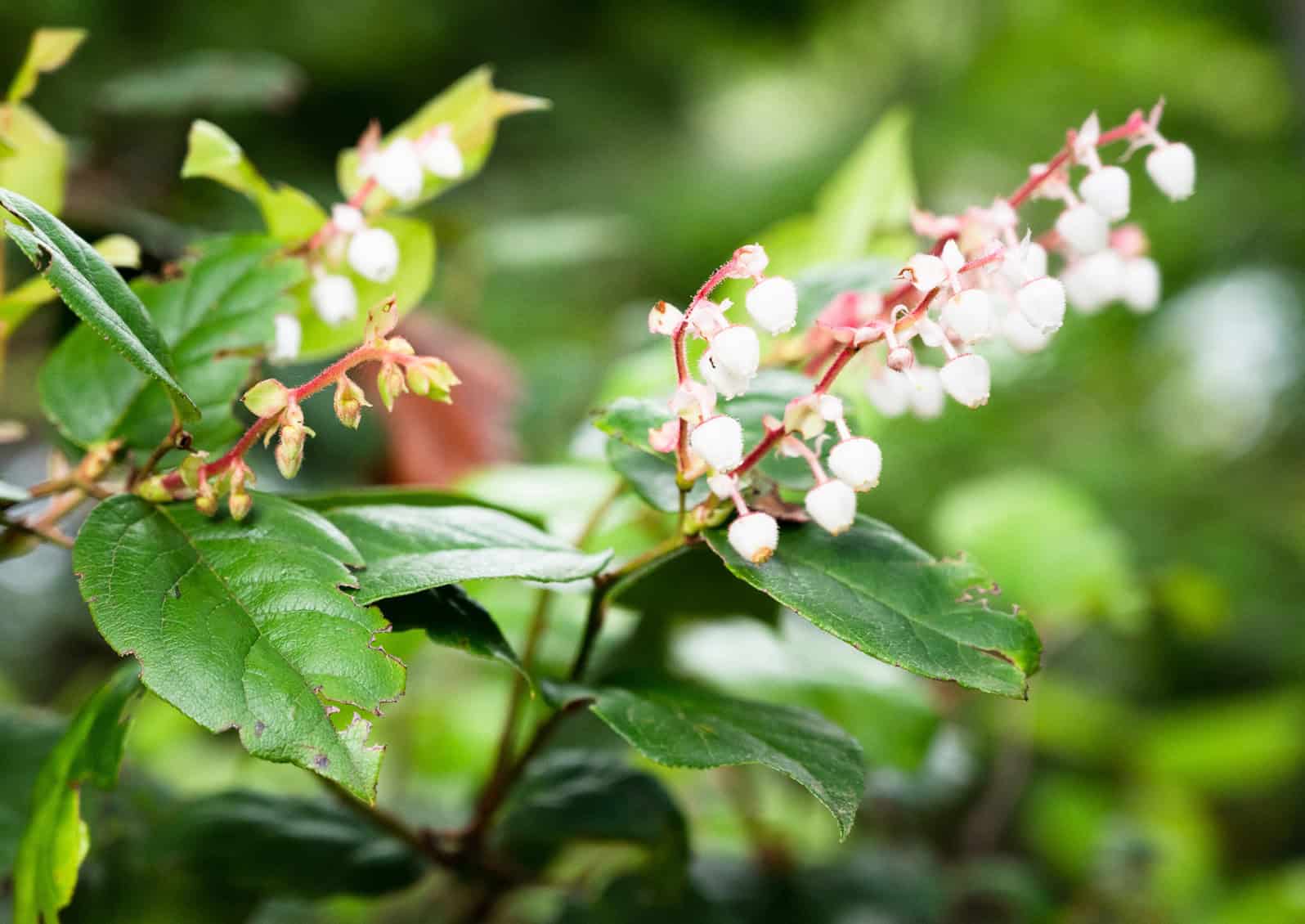
white flowers on blooming salal
A shaded trail through the half-acre Salal Garden leads visitors into a natural setting featuring dogwood, salal, cascara, vine maple, ferns, trillium and more. Credit: © Salal Chapter Northwest Chapter of Washington Native Plant Society.

The NW Fruit Garden

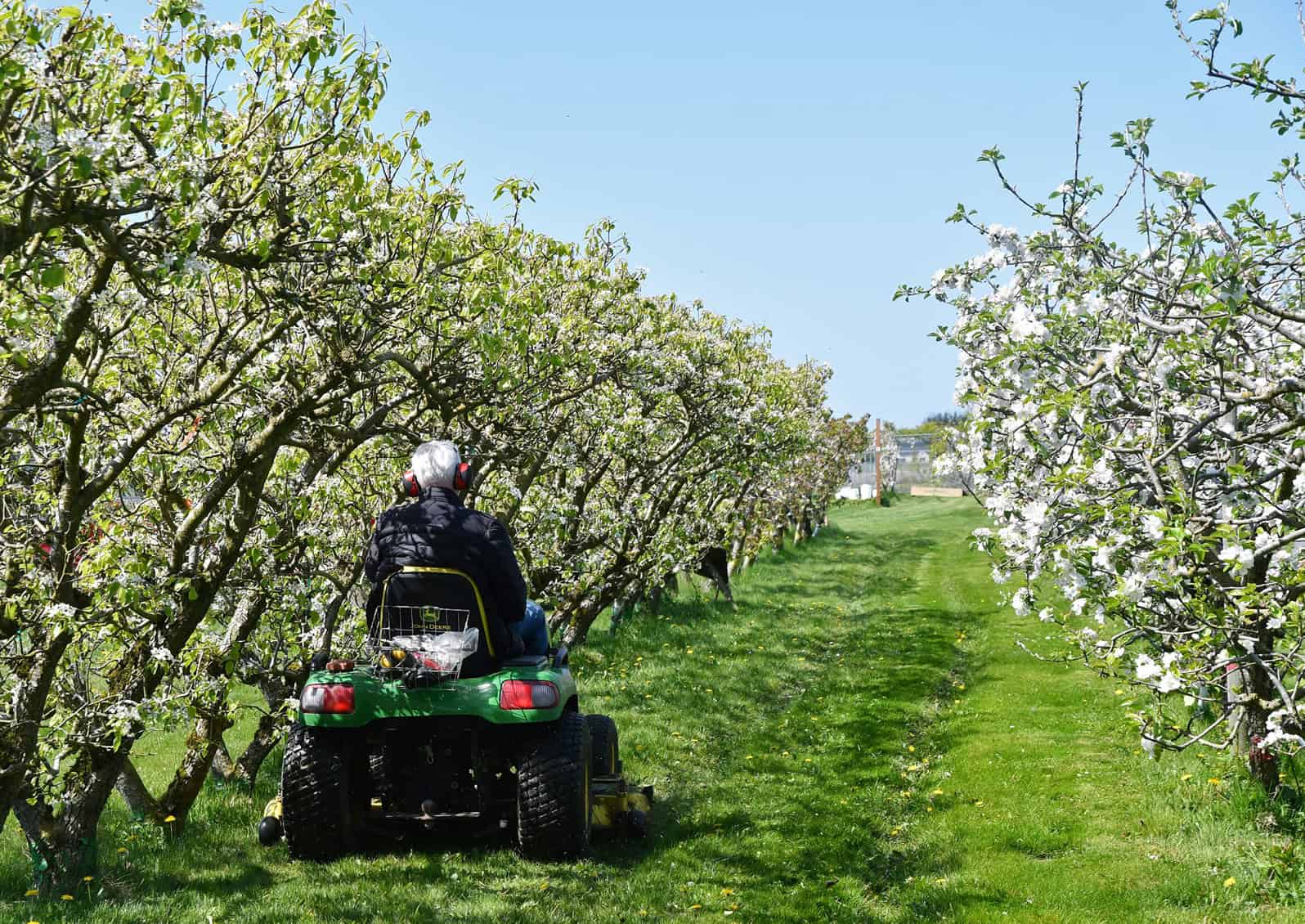
mowing near blooming fruit trees
The NW Fruit Garden encompasses six acres of fruit trees, berry bushes and other fruit-bearing plants, along with nut trees. Altogether, the garden features 606 plants – from peach and persimmon to apples and Asian pears. Credit: Used with permission © Scott Terrell

Discovery Garden:
This is truly a hidden gem in Skagit County that merits discovery! Nearly half of the guests at the 2024 open house said it was their very first visit – including those who live locally! June is a great time to experience the garden where visitors will find beautiful blooming colors, including many perennials and dozens of rose varieties, all selected to thrive in the Pacific Northwest.

This amazing 1.5-acre oasis is maintained by the volunteers of the Skagit County WSU Extension Master Gardener Program. The Discovery Garden features 30 garden “rooms” ranging from herbs and heathers to roses and vegetables. The garden paths are ADA-accessible paths and include the Enabling Garden to illustrate ways to adapt the joy of gardening for those with mobility issues. Master gardeners will be on site to answer questions, demonstrate best practices, and inspire home gardeners.

People walking in beautiful garden
The Discovery Garden is 1.5-acre oasis is maintained by the volunteers of the Skagit County WSU Extension Master Gardener Program and demonstrates best practices and inspire home gardeners. Credit: © Skagit County Master Gardeners
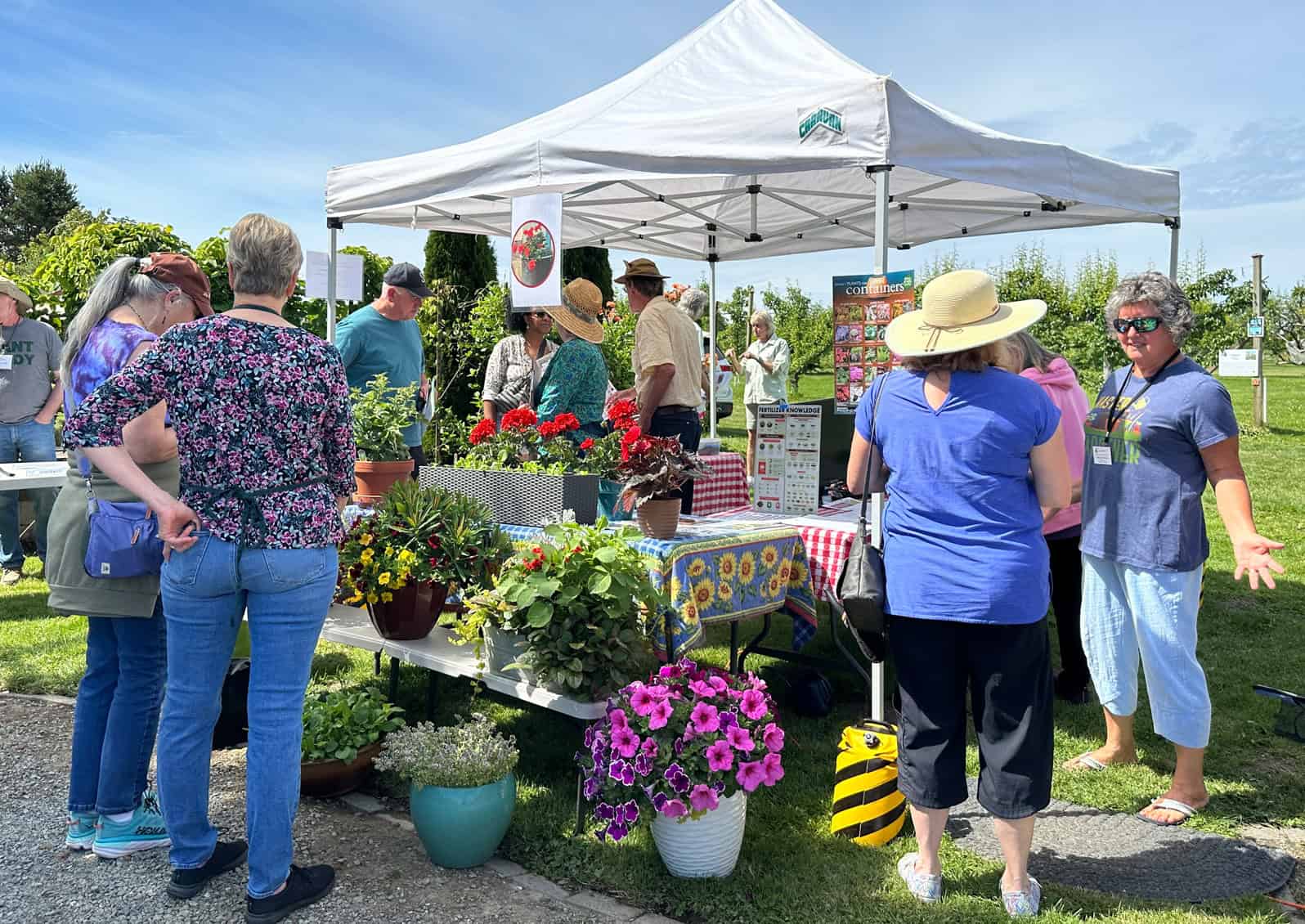
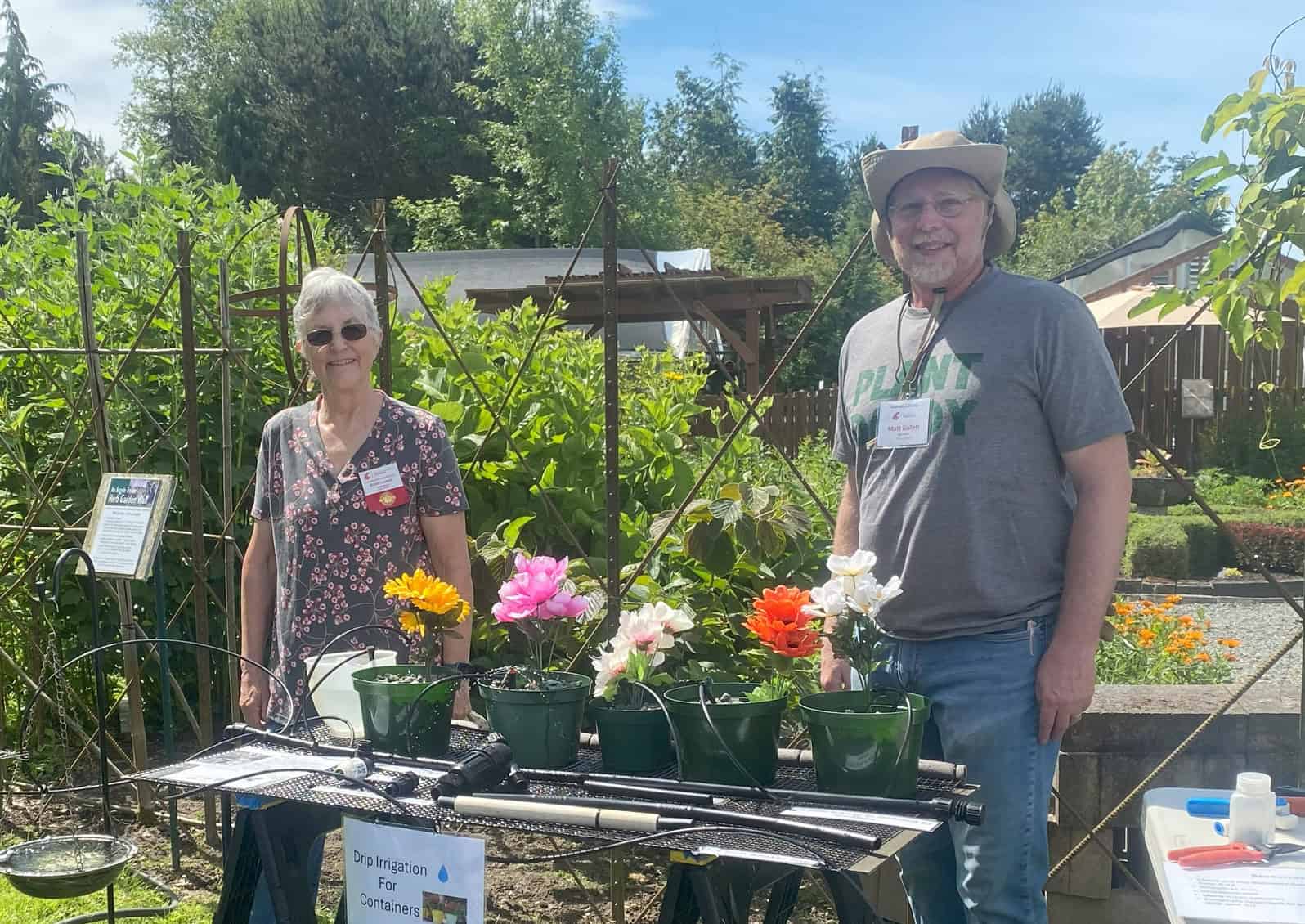
people at display table
The Garden Open House will feature displays about container gardening, drip irrigation systems, clean water practices, and dealing with noxious weeds. Credit: Credit: © Skagit County Master Gardeners

Salal Native Plant Garden:
Adjacent to the Discovery Garden, this half-acre oasis of native plants is maintained by volunteers of the Washington Native Plant Society’s Salal Chapter to demonstrate how native plants can be incorporated into the home landscape. A shaded trail leads visitors into a natural setting featuring dogwood, salal, cascara, vine maple, ferns, trillium, and more. Volunteers, representing north Snohomish, Skagit, and Island counties, will be on hand to guide garden tours and answer questions. For information, go to https://www.wnps.org/salal.
NW Fruit Garden:
Adjacent to the Discovery Garden, the NW Fruit Garden encompasses six acres of fruit trees, berry bushes, and other fruit-bearing plants, along with nut trees. Altogether, the garden features 606 plants – from peach and persimmon to apples and Asian pears. The garden features a growing collection of larger antique apples, many of which were grown during the 1960s and 70s. The mission of the NW Fruit Garden is “to advance fruit horticultural practices for the unique Western Washington maritime climate through advocacy, research, education, and demonstration for the benefit of the general public and the small farmer.” Volunteers will be on hand to answer questions, offer tours, and provide demonstrations.

A popular feature and photo op at the NW Fruit Garden is the welcome espalier – using grafted and supported fruit tree limbs to spell out the word WELCOME. The welcome and the entire tree fruit garden were designed in the 1990s by the late Kristan Johnson, https://nwfruit.org/fruit-garden-designer/ a landscape architect.

Booths and more features of the open house:

Get your “passport” and enjoy the open house:
Upon arrival at the open house, guests will receive a “passport” to track their visits to each of the activities offered at the event. Complete the passport and take home a prize!
Check out the Children’s Garden:
A wonderland of activities for children of all ages awaits visitors to the Children’s Garden with fun surprises and interactive features. During the open house, children can enjoy free rock painting and bubble blowing within the whimsical garden space.
Container gardening display:
Using pots and containers for gardening – from flowers to vegetables – is a popular method in the northwest. Containers can be useful options for gardeners with limited space or accessibility issues. The demonstration will feature containers for growing food as well as decorative elements, show how containers can allow hardy indoor plants to spend months outdoors, and provide opportunities for children to have their own mini gardens.

Nearly anything can provide a home to successfully grow plants, and volunteers will show examples to stimulate visitors’ creativity. The educational display will also feature information on soil types and amendments, as well as what contents to look for in commercial soil products.

Interested in Becoming a Master Gardener?

Application period is now open through August 15, 2025.

Stop by the WSU Extension booth to learn more about the new Washington Green School, the newly launched training platform designed to provide comprehensive research-based horticulture and environmental stewardship education. The Washington Green School offers two distinct tracks:

  • Washington Gardener Certificate Track
    This option is ideal for individuals seeking to enhance their gardening skills without the commitment of volunteering. This self-paced, online-only course provides a certificate upon successful completion.
  • Extension Master Gardener Volunteer Track
    This track is for those interested in becoming certified WSU Extension Master Gardener volunteers and includes the Green School online coursework, in-person, local volunteer training, and a commitment to volunteer service hours.

For more information, go to https://skagitmg.org/home/green-school/

To apply for the Skagit County WSU Extension Master Gardener Program, go to https://extension.wsu.edu/skagit/mg/apply/


Master Gardener Plant Clinic:
The plant clinic, located in the Pavilion structure at the center of the Discovery Garden, is a popular part of the annual open house and the Skagit County WSU Extension Master Gardeners Program’s year-round outreach to assist home gardeners in diagnosing plant problems. The variety of issues routinely brought to the clinics include identification of poison hemlock; treatment of rust on red raspberries; tent caterpillars; powdery mildew on grapes; how to mitigate damage by deer; and questions about soil testing. Guests may bring a plant sample and photos to the plant clinic to help the master gardeners identify the problem and provide advice.

The certified master gardeners provide science-based information to home gardeners about sound and sustainable gardening practices, including integrated pest management, efficient watering technologies, recycling garden waste, and cultural methods for preventing and treating plant disease.

Ask a Master Gardener Blog:
Master gardener volunteers who write, edit, and take photos for the twice monthly “Ask a Master Gardener” blog will staff a booth where guests can sign up to receive blog posts, pick up copies of popular articles, and offer suggestions for future articles. The blog features a wide range of articles written by Skagit County WSU Extension Master Gardeners on topics relevant to gardeners in the North Puget Sound area.
Plant Sale:
Master gardeners will offer a variety of perennial plants for sale at the open house, all propagated and nurtured over the past months. Ferns, figs, grapes, native trees and shrubs, epimedium, Douglas fir, and more will be available for sale.
Skagit County Noxious Weed Program:
Skagit County’s Noxious Weeds program surveys, treats, and supports landowners in treating invasive plants around the county. The program has a particular focus on knotweed, which often infests river and streambanks, and spartina, an invasive grass that grows in salt marshes.

County program staff will be on hand to show photos of and information on many of Skagit County’s most notorious and harmful noxious weeds. Staff will answer questions about what weeds may have infested visitors’ properties, offer suggestions for treating them, and provide informational materials to take home.

Skagit County Clean Water Program:
Skagit County’s Clean Water Program uses a variety of efforts to keep pollution out of local waters. The program team works to reduce stormwater pollution and monitors local waterways to spot bacterial pollution from dogs, failing septic systems, and farms. Their projects reduce dirty runoff into streams and work with the public to help protect water.

At the Garden Open House, Skagit County Clean Water staff will focus on how beautiful gardening and landscaping can go hand in hand with protecting our water. The booth will include a display and information on permeable pavement (paved surfaces that still allow rainwater to soak into the ground underneath). Educational materials will address how to garden without adding harmful chemicals and excess nutrients to local waters, as well as how planting native plants can create a habitat, protect water, and look amazing in the garden.

Skagit Conservation District
The Skagit Conservation District’s mission is to bring voluntary, incentive-based natural resource solutions to the citizens of Skagit County and beyond by providing technical, financial, and educational resources.
​The district works with landowners and farm operators to plan and implement conservation practices on private land. The district is a non-regulatory agency, which means that all practices implemented by landowners and farm operators who participate in its programs (cooperators) are voluntary.

The district’s booth will feature information on creating and maintaining healthy landscapes, rainscaping, and planting for pollinators, birds, and other wildlife.

For home gardeners who can’t make it to the open house, master gardeners have work sessions at the Discovery Garden from 9 a.m. to noon on Tuesdays through September, and visitors are welcome to stop by, ask questions, and learn some tips from the experts.

All three gardens are open year-round and are free to the public seven days a week from dawn to dusk. Visitors are invited to stop by throughout the year to view the seasonal changes, colors, and blooms. Signage in each garden identifies the plants, making for interesting and educational self-guided tours.

REFERENCES AND RESOURCES:

Kenny, E. (2007) Bob Norton, the king of apples, brings his passion for fruit to Vashon.

NW Fruit. (2025)

Skagit Conservation District. (2025)

Skagit County Clean Water Program. (2025)

Skagit County Master Gardener Foundation. (2025).

Skagit County Noxious Weed Program. (2025) 

Washington Native Plant Society Salal Chapter. (2025)

ABOUT THE AUTHOR:

Kari Ranten is a retired journalist and health care communicator who became a certified Skagit County WSU Extension Master Gardener in 2024. 


Questions about home gardening or becoming a master gardener may be directed to Skagit County WSU Extension Office, 11768 Westar Lane, Suite A, Burlington, WA 98233; by phone: 360-428-4270; or via the website: www.skagit.wsu.edu/mg

Washington State University Extension helps people develop leadership skills and use research-based knowledge to improve economic status and quality of life. Cooperating agencies: Washington State University, US Department of Agriculture, and Skagit County. Extension programs and policies are available to all without discrimination. To request disability accommodations contact us at least ten days in advance.
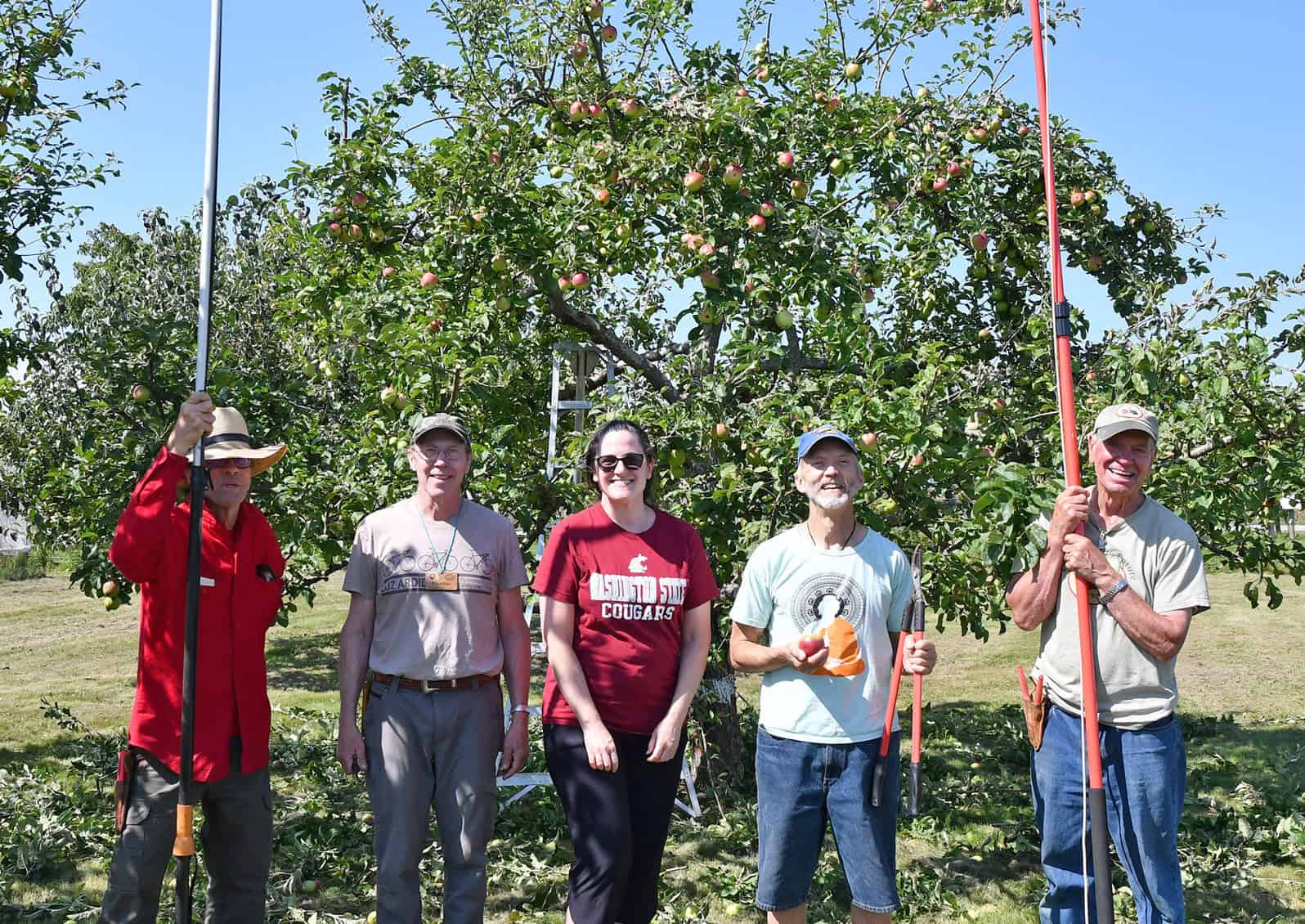
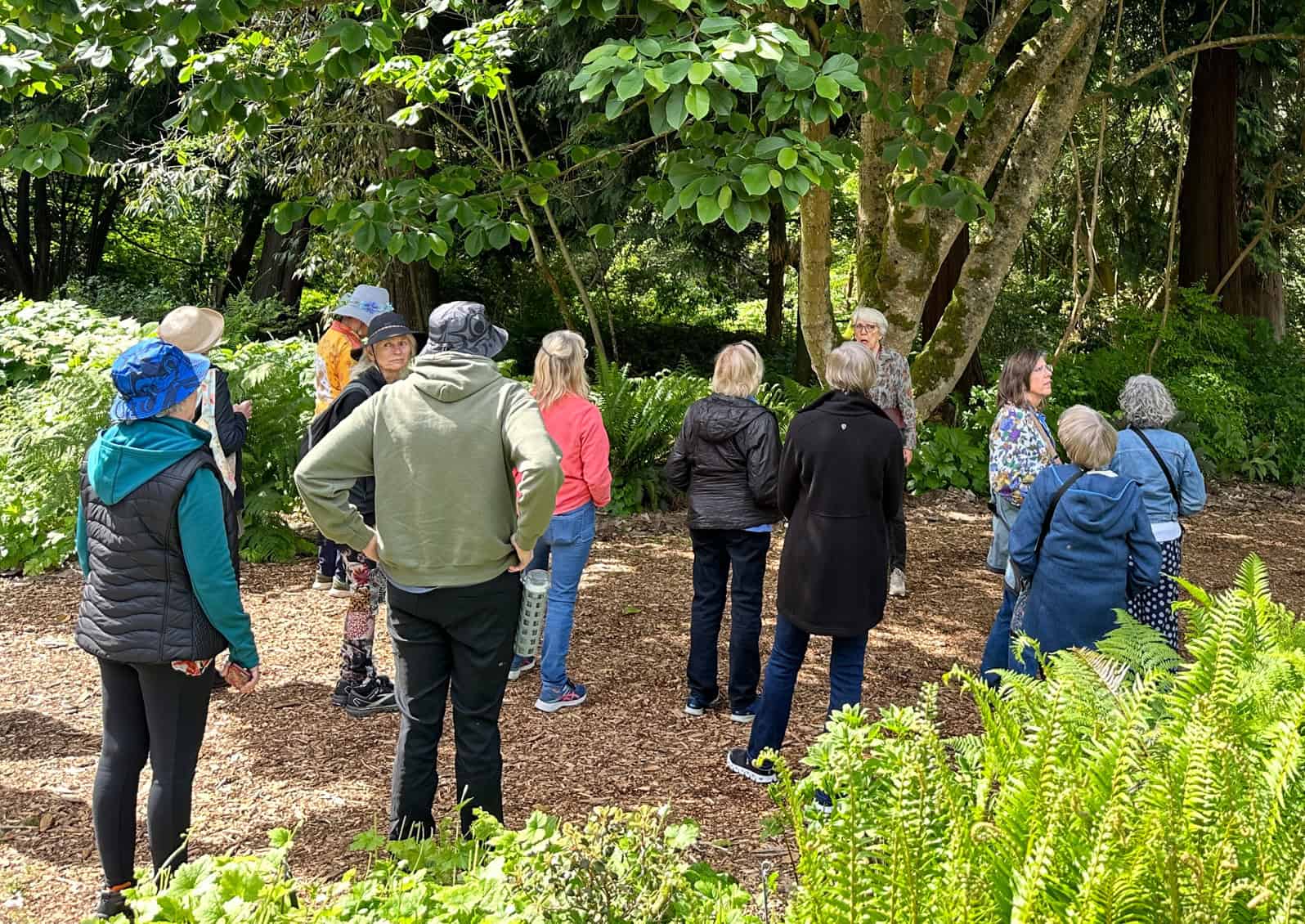
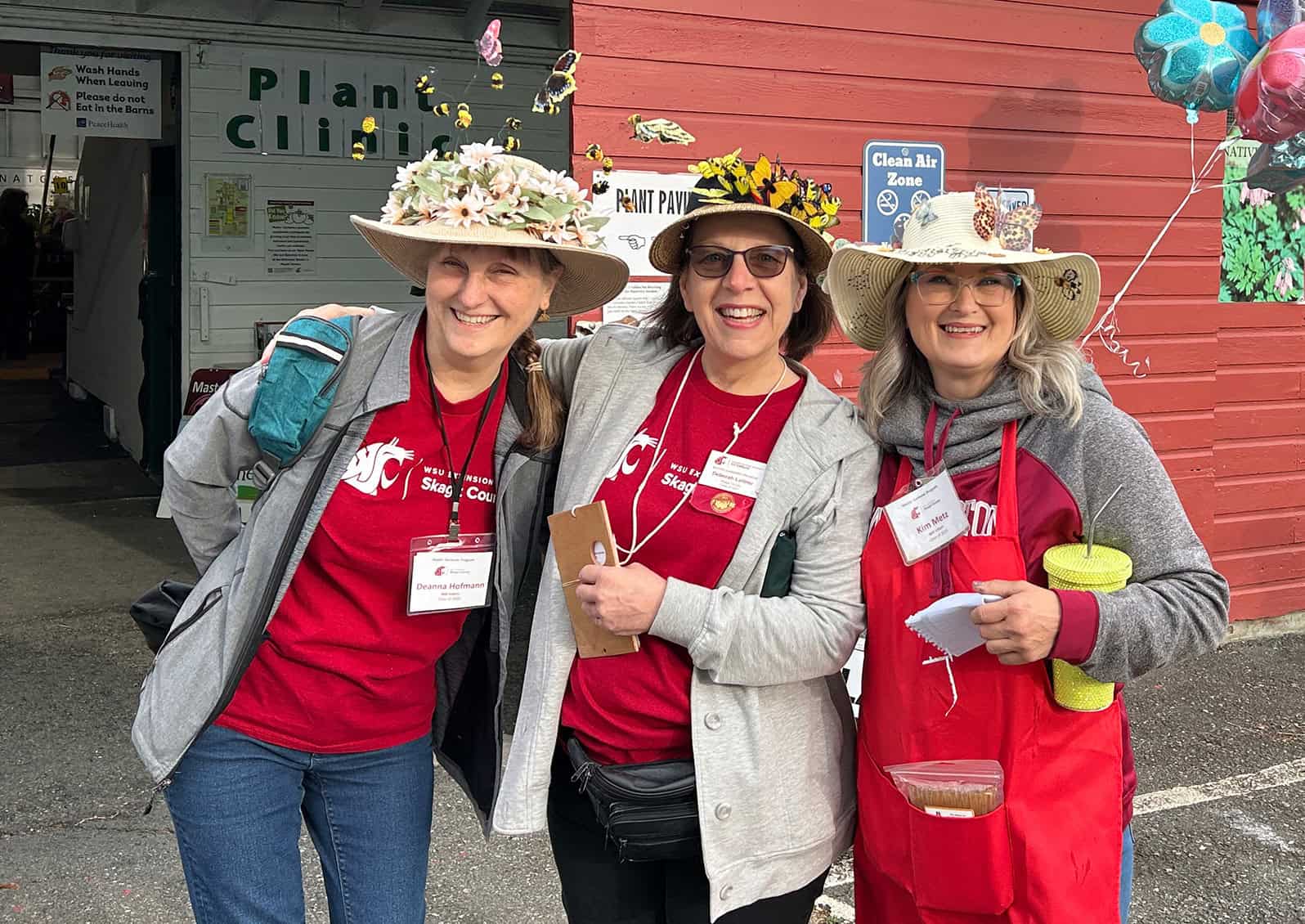
large group of smiling master gardeners
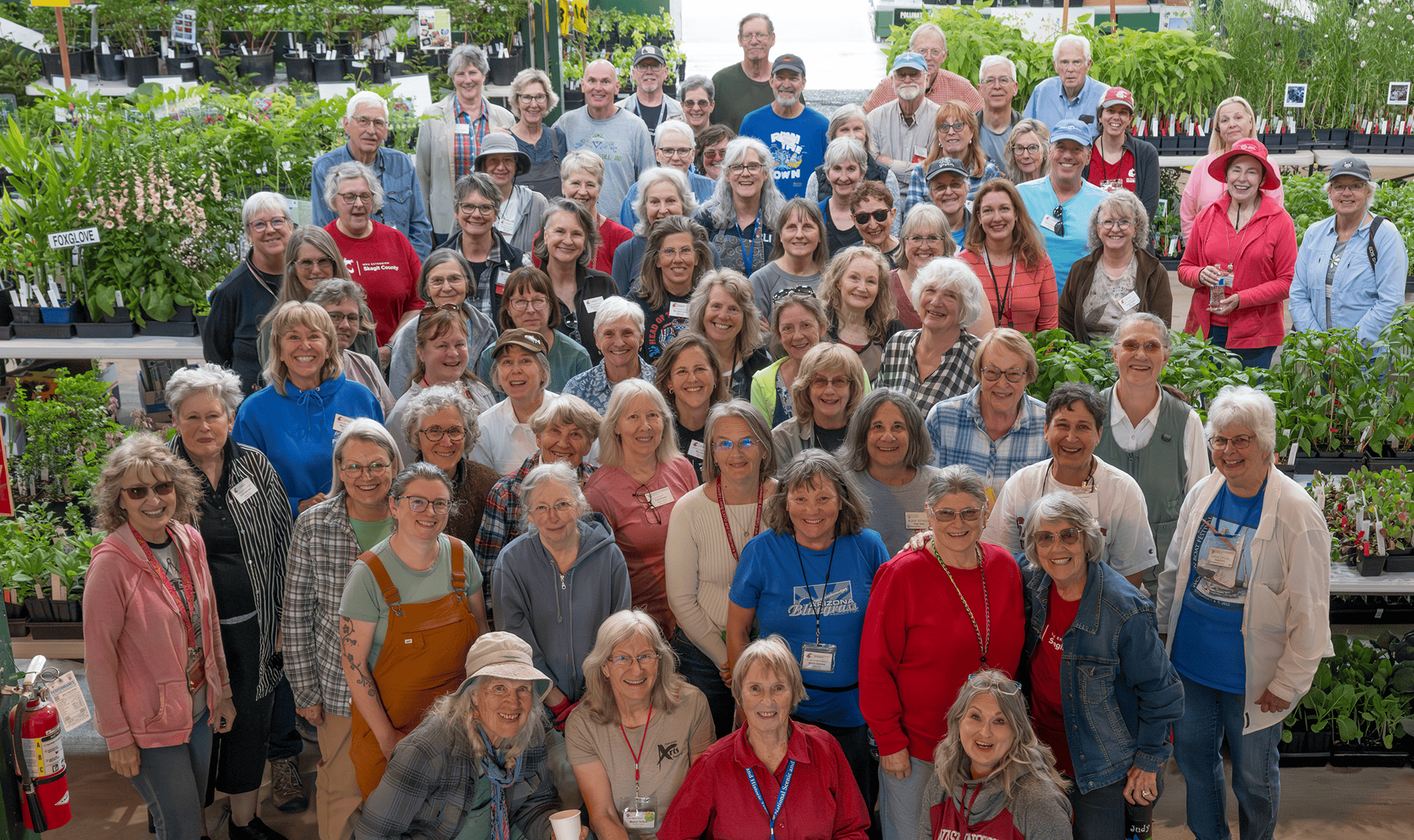
2025 Plant Fair Team Photo © Crowell Photography

Why I became a certified Skagit County WSU Extension Master Gardener

It all starts with a passion for the garden.

Subscribe to the Blog >


By Kari Ranten, Skagit County WSU Extension Master Gardener

Kari Ranten

I am a newly certified Skagit County WSU Extension Master Gardener and a proud member of the class of 2024. The past 18 months have been a wonderful experience filled with learning, sharing my love of gardening with the community, meeting and working alongside a welcoming team of fellow gardeners, volunteering my time in a great program focused on valued priorities, and gaining insights and inspiration.

Fellow gardening enthusiasts need to take a hard look at the options offered through WSU’s new Washington Green School. Two tracks are now offered: becoming a Certified WSU Extension Master Gardener or earning a Washington Gardener Certificate for home or professional advancement. Becoming a certified master gardener expands my knowledge while fulfilling a commitment to community engagement, outreach, and volunteerism.

<alt>Interested in Becoming a Master Gardener?

Application period is now open through August 15, 2025.

WSU is introducing a new program called Washington Green School which will include WSU Extension Master Gardener training. Beginning this fall, Green School will offer two distinct tracks in its online course: one for individuals looking to enhance their gardening skills through research-based horticultural and environmental stewardship, the Washington Gardener course, and another for those who wish to take it further by becoming a WSU Extension Master Gardener Program volunteer.

Jump over to a full description and links at: skagitmg.org/home/green-school/

While there are countless reasons to become a master gardener, or “garden geek” as the 2024 classmates say, here the focus is on the top 10 reasons why I chose to become a certified master gardener and volunteer in my community:

1. Loving plants and gardening.
It all starts with a passion for the garden. “I LOVE gardening!” I marvel at the variety, beauty, simplicity yet complexity, and benefits of plants growing in the Northwest and desire to learn more.

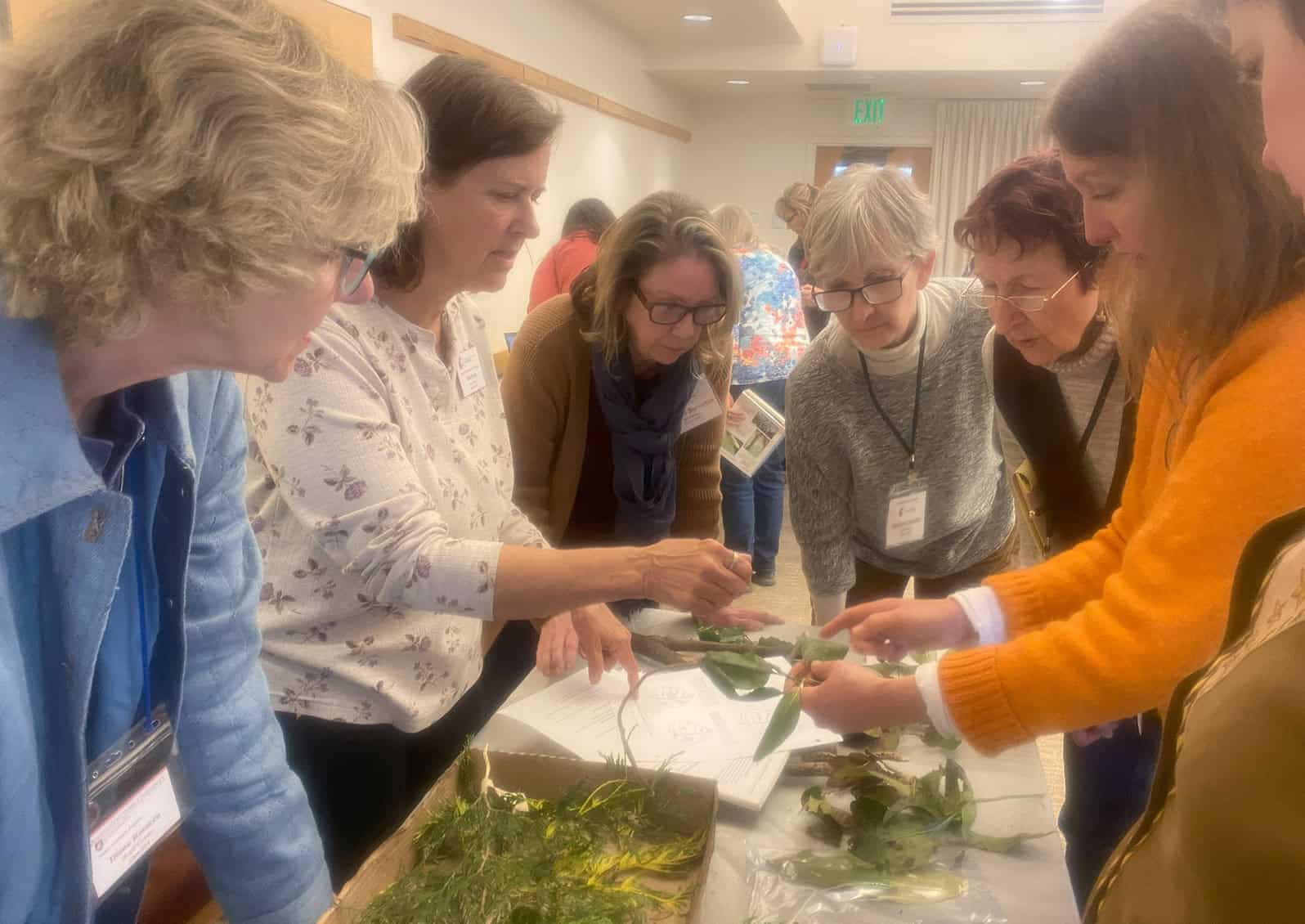
people looking at plant specimens
In addition to Washington Green School training, Skagit County Master Gardener interns will receive in-person training on various topics. Photo © Alex DuPont
people standing in front of tree with tree pruners
Skagit County Master Gardener training includes hands-on training for topics like pruning. Photo © Scott Terrell

2. Learning with formal classes and hands-on training.
While I genuinely love plants and appreciate a beautiful garden, I did not have any education on the basics and science of plants. That said, for life-long learners the Master Gardener Program as an opportunity to learn science-based details about botany, how to propagate, nurture, grow, and maintain a wide variety of plants for the landscape, and to produce food.

As a former newspaper reporter and editor, I have a constant curiosity. The field of gardening provides an endless supply of questions and answers. It was while working in the newsroom at the Skagit Valley Herald in the 1980s that I became familiar with the program. Legendary Skagit County WSU Extension Master Gardener Joe Dupree would drop by the office each week to bring a hard copy of his “Ask a Master Gardener” column for publication. I can still see the bearded, grinning sprite of a man, always clad in overalls, regaling the news staff with the joys of gardening. These days, I walk through “Joe’s Place,” a memorial space in the Discovery Garden, with fond memories of the man who planted the seed for my future participation.

I enjoyed the formal learning and a return to studying and quizzes afforded by the program. Even more enjoyable is putting that learning to work during the practical “boots on the ground” education in the Discovery Garden with veteran master gardeners who are always willing to answer any question and provide important how-to instruction and advice.

people on garden path looking at trees
Skagit County Master Gardeners take day-long field trips to botanical gardens.
group of women in garden hats
Master gardeners develop life-long friendships started over a shared love of plants. Photo © Skagit County Master Gardeners

3. Benefiting from a science-driven, well-respected program.
All master gardener training and programs are based on science, a tenet that volunteers carry forward as they advise and assist local home gardeners. The program’s longevity, credibility in science and research, and overarching leadership of Washington State University garner respect in the community and across the state.

In 2024, Niche, a college ranking and review website, ranked WSU’s College of Agricultural, Human, and Natural Resource Sciences (CAHNRS) as one of the 15 best agricultural sciences colleges. In an article in the WSU Insider in October 2023 about the ranking, author Angela Sams writes, “Encompassing 13 academic departments and schools, 22 majors, and 27 graduate programs, CAHNRS leads WSU’s land-grant mission of service through education and research,” which affirms the foundation of the Master Gardener Program.

4. Desiring to volunteer and serve the community.
Volunteerism has always been part of my life. My parents were excellent role models and showed me the importance of giving time to serve the community. Over the past 40 years, much of my volunteer work has been in governance, serving on several boards of non-profit organizations in Skagit County. In retirement, I desired to exchange board meetings for work in the dirt of the Discovery Garden, to weed, plant, water, and prune.

The benefits of volunteering are well documented, including in a Mayo Health System article titled “Helping people, changing lives: 3 health benefits of volunteering” by Angela Thoreson, LICSW of the system’s Psychiatry and Psychology department, published in 2023.

“The work that volunteers provide is essential to everyday activities, giving volunteers a sense of purpose, especially when giving their time and talent in the areas they find meaningful,” Thoreson writes, noting that volunteers experience greater increases in life satisfaction and self-esteem.

The WSU Master Gardener Program addresses important sociologic and environmental issues by teaching research-based horticulture information.

5. Supporting shared priorities.
Master gardeners have a foundation of nine priorities to provide focus for the program and participants. The list spotlights climate change, clean water, water conservation, soil health, pollinators, local food (growing food to improve individual and community health and wellness), plant biodiversity, nearby nature, and wildlife preparedness.

The training program dives deeply into all nine, and the practices recommended by master gardeners support these important tenets. In training and activities, we tie our projects and advice back to one or more of these priorities. Learn more about the priorities here: https://mastergardener.wsu.edu/priorities/

In my home gardening, I especially enjoyed learning more about the importance of promoting pollinators because of their important role in the ecosystem. Through my training and research, I have added many plants to our home landscape to draw bees, hummingbirds, and butterflies purposefully. While only anecdotal evidence, I noted increasing pollinator numbers in our landscape last summer and have added more pollinator-friendly perennials and annuals again this year, including bee balm, Black-eyed Susan, heuchera, cuphea, coneflower, lilac, sunflowers, zinnias, and more.

6. Protecting the environment and reducing waste.
The science-based curriculum and nine priorities focus on showing respect and responsibility for the environment, reducing waste, understanding our impact on climate change, clean water and water conservation, soil health, and plant biodiversity. Master gardeners are focused on teaching research-based gardening and environmental stewardship practices. https://mastergardener.wsu.edu/

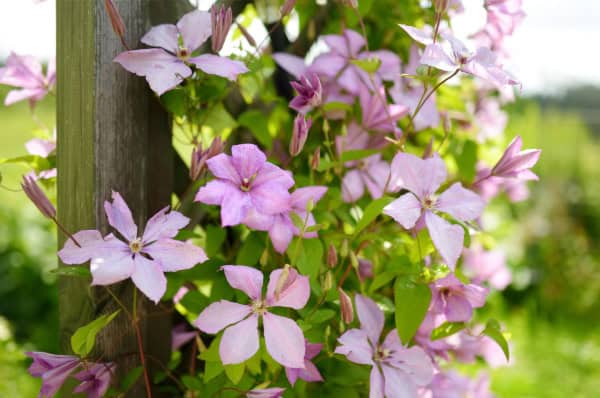
lavender flower vines climbing arbor

Know & Grow
Vines and Clematis: Grow the Heck Up

Free, no registration required
Tuesday, June 17, 2025
1 pm – 2:30 pm
NWREC Sakuma Auditorium
16650 State Highway 536, Mount Vernon

graphic showing three gardens in open house

Mark Your Calendar:
Annual Three Garden Open House

Saturday, June 28, 2025
10 am – 2 pm
Discovery Garden
16602 State Route 536 (Memorial Highway)
Mount Vernon, WA 98273
Fun Activities for Kids  ~  Plant Sale
Water Conservation Experts  ~  Noxious Weed Information
30+ Garden Rooms  ~  Plant Clinic and Gardening Help
Native Plants  ~  Pollinators
Talk to Fruit Tree Experts

“WSU’s Master Gardener Program addresses important sociological and environmental issues by teaching research-based horticulture information. We want people to have important skills and abilities that help mitigate challenges and to understand that everyone has a role to play in creating and sustaining healthy and resilient communities,” according to the program website.

7. Meeting like-minded people and making new friends.
As a fellow 2024 classmate wrote: “I felt that I wanted to find a group of like-minded diggers and sowers who see the world as I do, understanding how we are all interconnected and rely on each other to support life on earth.”

Likewise, as soon as I interviewed for a position in the class, I knew I had found a group of comrades with similar interests, goals, and priorities. Research shows the importance of having a strong social circle.

Stanford University authors Tanya Thakur, MBBS and Sharon Brock, Med, write “Researchers have linked volunteering with improved mental health, not only due to the feelings of social connection with the other volunteers, but also due to a boost in self-esteem that results from offering time and energy for the good of others.”

8. Gaining inspiration and embracing creativity.
American abstract painter Elizabeth Murray stated: “Gardening is the art that uses flowers and plants as paint, and the soil and sky as canvas.”

I am inspired by the art of beautiful gardens – both formal and informal – and seek to bring small glimpses of creativity, color, and textures into my home landscape. In addition, there is also a sense of accomplishment. A fellow classmate has found that nothing is better than working in the garden either at home or the Discovery Garden, be it vegetable, native, or ornamental, and then sitting back and admiring your handiwork and hard work.

The Discovery Garden on Memorial Highway west of Mount Vernon is filled with inspiration for the home gardener. With 30 themed “rooms” or gardens, master gardeners and visitors alike learn from experienced master gardeners on the nuances of caring for roses, growing in a greenhouse, how to raise vegetables, designing a Japanese garden, the use of color and texture in the naturescape, or the formality of an herb garden. Each is a piece of art that grows and changes with the seasons.

9. Enjoying the health benefits of gardening.
Research shows that gardening has many benefits for physical and mental health. In an article titled “Does gardening have health benefits?” Pamela J. Bennett, MS, and Josh Winn, MS, of Ohio State University note a wide range of health benefits, including reducing stress, improving activity levels, and supporting a healthy diet with homegrown fresh vegetables and fruits.

The authors write, “Gardening also can boost your mood. Studies show cytokine levels rise, which in turn activates the ‘feel-good’ hormone serotonin when working in the soil. Specific bacteria in the soil also can boost your serotonin levels.”

Another classmate noted, “Maybe it is the endorphins that are released as I play in the soil, or maybe it is the meditative state that I find myself in while gardening,” that contribute to her overall well-being.

10. Having fun!
On any given Tuesday morning, from March through October, the Discovery Garden is a true “beehive of activity” as master gardeners gather to tend the display garden. The scene is punctuated by laughter, smiles, hugs, and teamwork, known as Fun.

A piece aired on NPR sheds light on the value of joy and fun. The story quotes a book titled “The Fun Habit: How the Disciplined Pursuit of Joy and Wonder Can Change Your Life,” by psychologist Mike Rucker in 2023. Rucker’s book “makes the case that pursuit of fun experiences may be even more valuable than seeking the sometimes-abstract goal of happiness,” according to NPR. “Happiness is a state of mind,” Rucker writes. “But fun is something you can do. It doesn’t require education, money, or power. All it requires is intentionality. If happiness is a mirage, fun is your backyard oasis.”

And I love spending time in my backyard oasis, now, more than ever.


REFERENCES AND RESOURCES:

Bennett, P.  and Winn, J. (2023) Does Gardening Have Health Benefits? The Ohio State University.

Fulton, A. (2023) Here’s Why You Should Make a Habit of Having More Fun. NPR. 

Janovich, A. (2023) 50 Years, 50 States, WSU’s Master Gardeners Program Became a National – and Global – Model. Washington State Magazine. Pullman, WA. Washington State University.

Marquis, J. (2025) Impacting Communities: Cultivating Plants, People, and Communities Since 1973. Washington State University Extension Master Gardener Program. 

Sams, A. (2023) CAHNRS Lands Top 15 Ranking for Best U.S. Agricultural Sciences College. College of Agricultural, Human and Natural Resource Sciences, Washington State University.

Thakur, T. and Brock, S. (2024) Volunteering as a Way to Make Friends. Stanford Lifestyle Medicine.

Thoreson, A. (2023) Helping People, Changing Lives: 3 Health Benefits of Volunteering. Mayo Clinic Health System Psychiatry and Psychology Department. 

Washington State University. (2025) Our Priorities Inform Our Efforts. Washington State University Extension Master Gardener Program.

ABOUT THE AUTHOR:

Kari Ranten is a retired journalist and health care communicator who became a certified WSU Extension Skagit County Master Gardener in 2024. 


Questions about home gardening or becoming a master gardener may be directed to Skagit County WSU Extension Office, 11768 Westar Lane, Suite A, Burlington, WA 98233; by phone: 360-428-4270; or via the Skagit County WSU Extension website.

Washington State University Extension helps people develop leadership skills and use research-based knowledge to improve economic status and quality of life. Cooperating agencies: Washington State University, US Department of Agriculture, and Skagit County. Extension programs and policies are available to all without discrimination. To request disability accommodations contact us at least ten days in advance.



AMGPost_header5
070723header

Statewide WSU Extension Master Gardener Program Celebrates 50 Years

Cultivating Plants, People, and Communities Since 1973

              Subscribe to the Blog >

By Deborah Smeltzer, Skagit County WSU Extension Master Gardener

2023 marks the 50th Anniversary of the WSU Extension Master Gardener (EMG) Program in Washington state, the first in the United States. The program began in 1973 in Pierce and King counties with the first class of more than 300 Master Gardener students. Snohomish and Spokane counties followed with their first classes in 1974. Skagit County had its first WSU Extension Master Gardener volunteer in 1977. Now 50 years later in 2023, the Extension Master Gardener Program in Washington has more than 4,000 volunteers and the U.S. has more than 100,000 volunteers. The program has also spread to eight provinces in Canada.

The WSU Extension Master Gardener Program originated as a result of the green revolution that exploded in the U.S. in the 1970s. Extension agents at land grant colleges, those charged with the mission of supporting farmers with research about agricultural practices and production needs, were overwhelmed with the influx of questions from home gardeners about plants and plant problems. Two extension agents in King and Pierce counties, David Gibby and Bill Scheer, assigned to support both home gardeners and commercial horticulture producers, came up with the idea to train volunteers to support home gardeners via plant clinics and educational activities. They would teach the volunteers to be community educators to help home gardeners with their questions about plants, cultural practices, and problems from pests and diseases.

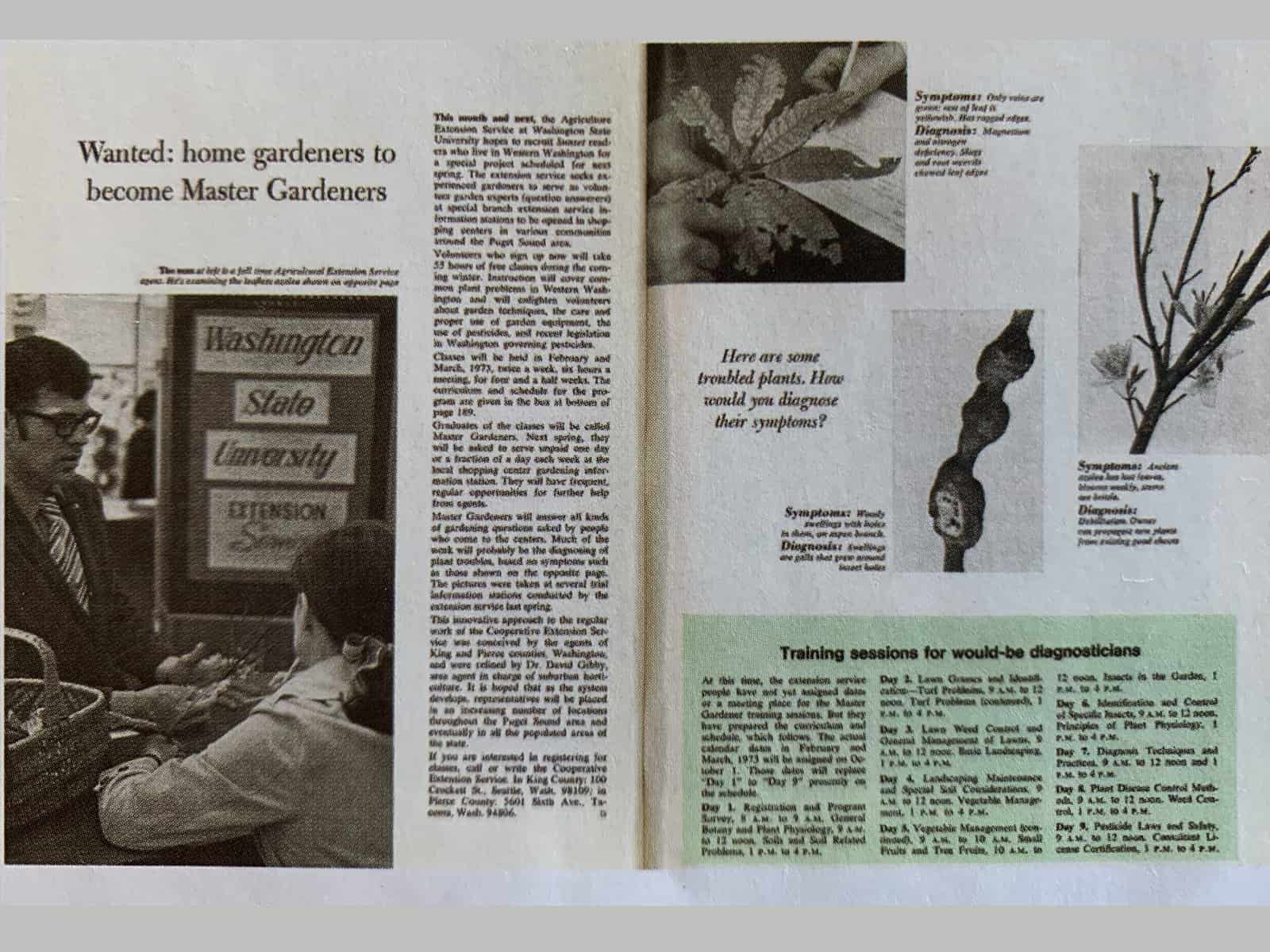
Gibby and Scheer organized the first plant clinic at the Tacoma Mall in 1972 and dubbed the project the “Master Gardener Program,” named in recognition of the highly trained horticulturists called “Gartenmeisters” that Gibby had encountered in Germany. Also in 1972, Steve Lorton, then editor at Sunset Magazine, wrote an article to help recruit volunteers to be trained as plant diagnosticians. The rest is history (see https://mastergardener.wsu.edu/who-we-are/50-years/ ).

1973 photo of men answer reporters questions
Local news media interview King and Pearce County extension agents David Gibby and Bill Scheer about their new program to train volunteers, who would then extend that knowledge to the public.
Sunset Magazine (1972) ran an article recruiting Master Gardeners for the WSU Extension program
historic photo of people answering questions
Extension staff answering questions at 1973 plant clinic at the Tacoma Mall.

Under the leadership of WSU EMG Statewide Program Leader Jennifer Marquis, plans for the 50th Anniversary Celebration (see: https://mastergardener.wsu.edu/who-we-are/50-years/) have been underway since July 2021. A group of five Master Gardeners from across the state have guided the planning for four regional events and a commemorative magazine. In Skagit County, Master Gardeners Deborah Smeltzer and Lin Hoisington have worked extensively on the state-wide project.

The communications team of WSU College of Agricultural, Human, and Natural Resource Sciences (CAHNRS) developed an extensive media toolkit for volunteer use along with three videos (past, present, and future of the program) that have been rolled out this spring and summer.

The videos have great drone video coverage of the Skagit County Discovery Garden (located at WSU NWREC in Mount Vernon) and Skagit County WSU Extension Master Gardeners at work. A fourth composite 50th Anniversary video will be presented at the annual Master Gardeners’ Advanced Education Conference in September.

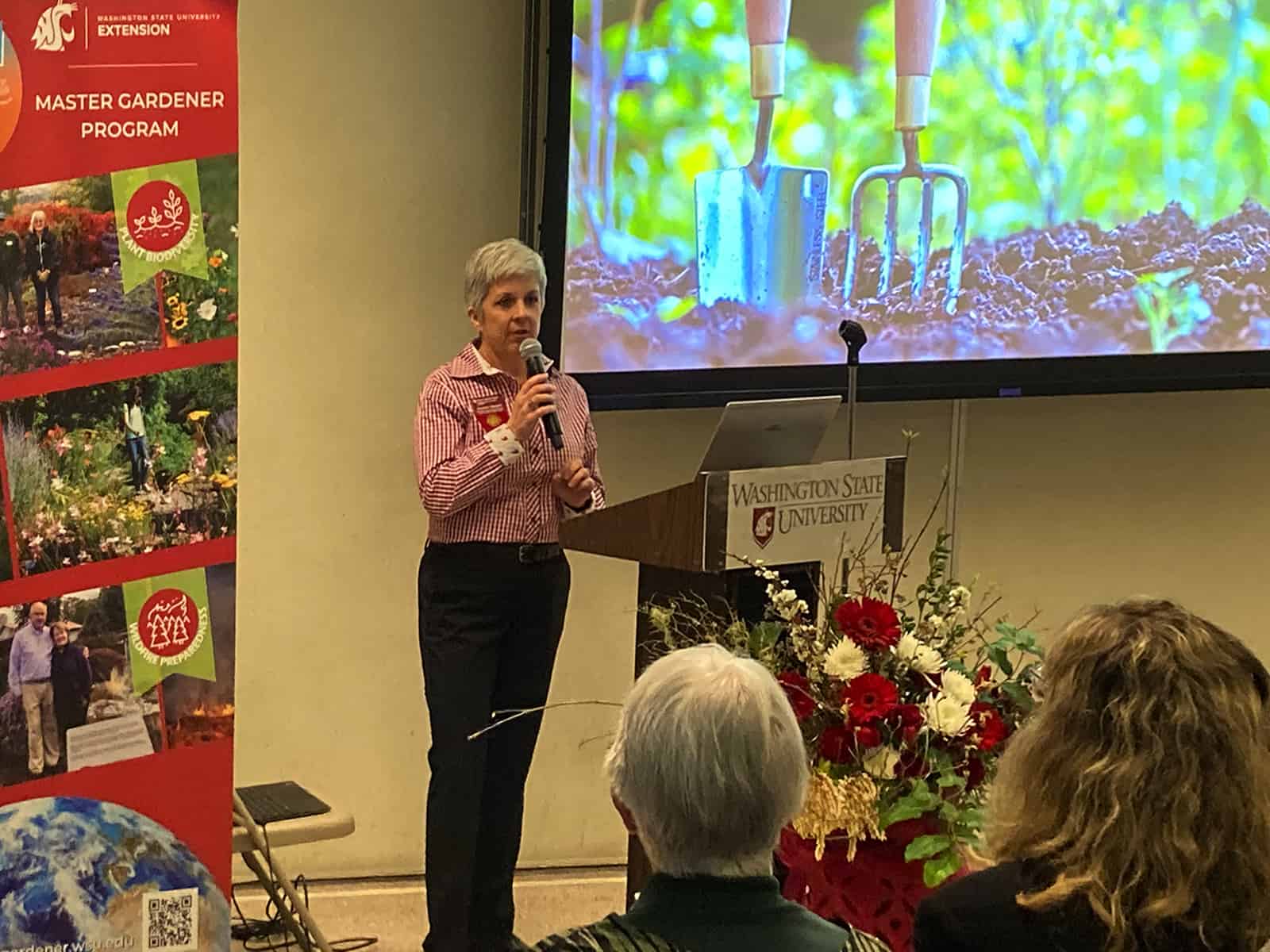
woman standing on podium
Jennifer Marquis presenting at Puyallup 50th Anniversary event on April 8, 2023
Photo by Deborah Smeltzer
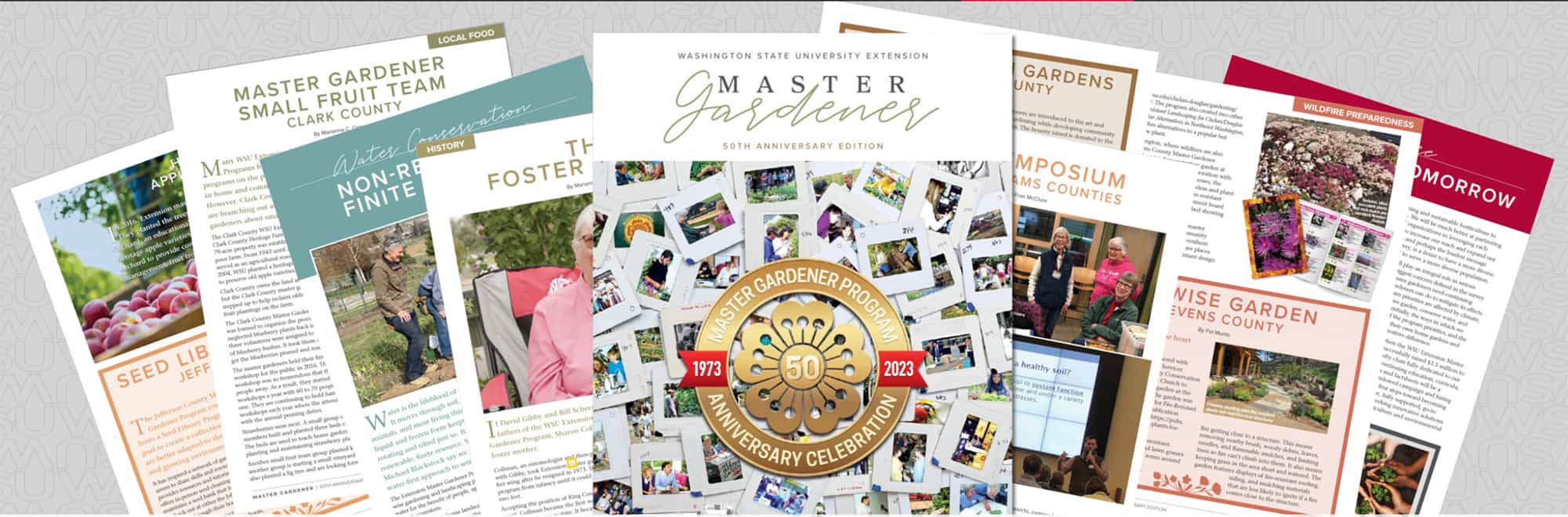
magazine pages
50th Anniversary Commemorative Magazines will be on sale during the Open House

A special initiative of the 50th Anniversary planning has been the launch of a 5-year campaign to raise $1.5 million to support the establishment of the first-ever, fully dedicated WSU Extension Master Gardener Program Endowed Faculty Chair. The WSU College of Agricultural, Human, and Natural Resource Sciences development team is leading the fundraising effort. The endowed chair campaign was a key focus of the one-day CougsGive fundraiser in April 2023. By early June, more than $71,000 had been contributed to the campaign. The Master Gardener Foundation of Washington State (MGFWS) has also committed funds to this campaign.


The four regional events are showcased on the statewide program webpage, highlight different themes, and are a prelude to the 2023 Advanced Education Conference (AEC) to be held in Tacoma:

  • April 8, 2023 – Puyallup at WSU Puyallup Research and Extension Center
  • May 20, 2023 – Prosser at Irrigated Agriculture Research and Extension Center (IAREC)
  • June 10, 2023 – Wenatchee at Tree Fruit Research and Extension Center (TFREC)
  • July 13, 2023 – Mount Vernon at Northwestern Washington Research and Extension Center (NWREC)
  • Sep 27-30, 2023 – Tacoma, 2023 Advance Education Conference hosted by the Master Gardener Foundation of Washington State Learn more at: https://mglearns.mastergardenerfoundation.org/

The second regional celebration was held on May 20th in Prosser. At this event, Jennifer Marquis announced a challenge match of $15,000 provided by Skagit County WSU Extension Master Gardener Deborah Smeltzer and her husband, David Kingsbury. Deborah and David are matching dollar-for-dollar up to $15,000 any contributions to the endowed Master Gardener chair campaign in the form of cash or pledge donations through September 2023. They strongly support the mission of the endowed Master Gardener faculty chair to:

  • Teach Master Gardeners cutting-edge horticulture and environmental stewardship in perpetuity
  • Create tools that support volunteer outreach such as publications and fact sheets
  • Partner and collaborate with like-minded organizations to leverage program strengths
  • Build robust curricula that addresses difficult societal challenges

This endowment will be a game changer to provide key resources to Master Gardeners in perpetuity and to help home gardeners benefit from plant clinics, lectures, demonstration gardens, and many other educational activities in horticulture and environmental stewardship that Master Gardeners provide. Donations to this campaign by both Master Gardeners and home gardeners will help demonstrate the value of a dedicated Master Gardener faculty chair to Skagit County and the entire state of Washington. Please consider joining Deborah and David to help support the campaign during this important 50th Anniversary year. It would be a great accomplishment to push the WSU EMG Program endowed faculty chair campaign beyond $100,000 before the state-wide Advanced Education Conference to be held in September.

Join us for the regional 50th Anniversary Celebration
Thursday, July 13, 2023
WSU Northwestern Washington Research and Extension Center
16650 State Route 536, Mount Vernon

Watch this website to register for the regional 50th Anniversary Celebration held in Mount Vernon at the WSU Northwestern Washington Research and Extension Center on Thursday, July 13, 2023. Co-hosted by Skagit County WSU Extension Master Gardeners and WSU NWREC, event registration is open to the public. Master Gardeners in neighboring Clallam, Island, Jefferson, King, San Juan, and Whatcom Counties are all invited to participate. Beginning at 10 a.m. in the Sakuma Auditorium, the free event will include a short program featuring special guests including WSU Associate Dean and Director of Extension Vicki McCracken.

The event continues through noon with an open house at WSU NWREC and the three onsite demonstration gardens. Each participating county as well as the statewide Extension Master Gardener program and the endowment team will have tables/canopies set-up to share their work. Commemorative Magazines celebrating the 50th anniversary will be sold at the event.

A key part of the celebration is the opportunity to visit the three gardens adjacent to WSU NWREC; the Skagit County WSU Extension Master Gardener Discovery Garden, the Salal Native Plant Society (NPS) Garden, and the Western Washington Fruit Research Foundation (NW Fruit) Garden. These three gardens are a vivid and moving display of both native and climate appropriate plants providing new and experienced gardeners inspiration and evolving ideas about sustainable gardening practices.

The theme of this 50th Anniversary celebration is partnering between WSU Extension Master Gardeners, WSU faculty and staff, and community partners. Together we can support Healthy People and a Healthy Planet. Please come help us celebrate!

RESOURCES:

WSU Extension Master Gardener 50th Anniversary Edition (commemorative magazine, published April 2023)

WSU EMG Program Statewide website – https://mastergardener.wsu.edu/

Skagit County Master Gardener Foundation website – https://skagitmg.org/

ABOUT THE AUTHOR:

Deborah Smeltzer has been a Skagit County WSU Extension Master Gardener (EMG) since 2012. She currently serves as president-elect of the Skagit County Master Gardener Foundation board and as chair of the Skagit County WSU EMG Program Training Team. In 2020, Deborah was named Washington State Master Gardener of the Year by the Master Gardener Foundation of Washington State.

_________

Questions about home gardening or becoming a Master Gardener may be directed to: Skagit County WSU Extension Office, 11768 Westar Lane, Suite A, Burlington, WA 98233; by phone: 360-428-4270; or via the website: www.skagit.wsu.edu/mg