Post: August 7, 2026
Managing Medium-sized Vertebrate Pests
Proper identification of these medium-sized, fuzzy pests is essential as management techniques differ for each species.
By Alison Hitchcock, WSU Extension Skagit County Master Gardener
Unlike the vertebrate pests covered in our previous article (rodents, moles, and shrews), the mammals addressed here are often valued for their aesthetic appeal. Yet in some circumstances, these animals damage gardens and are serious nuisances when inside homes.
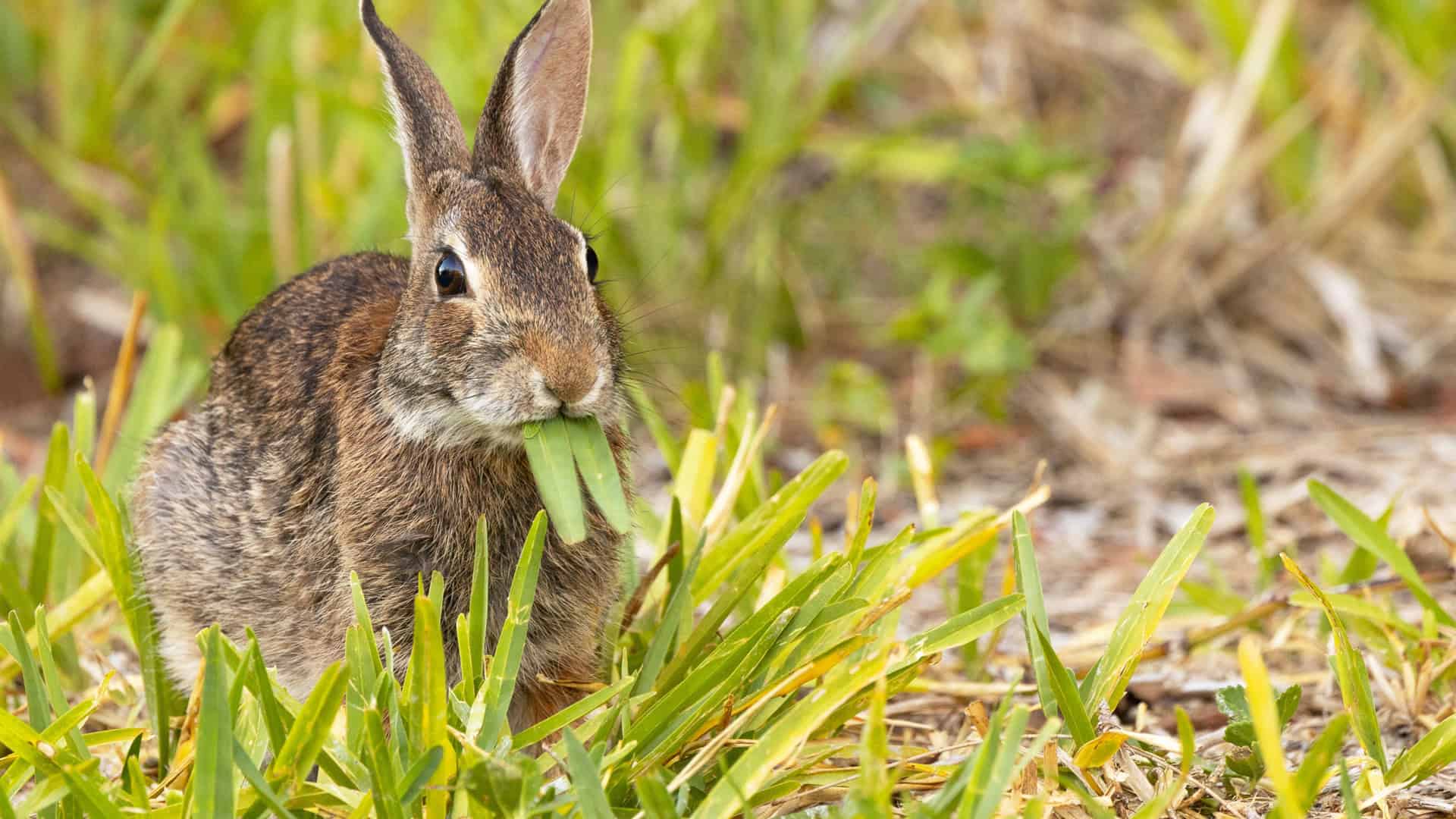
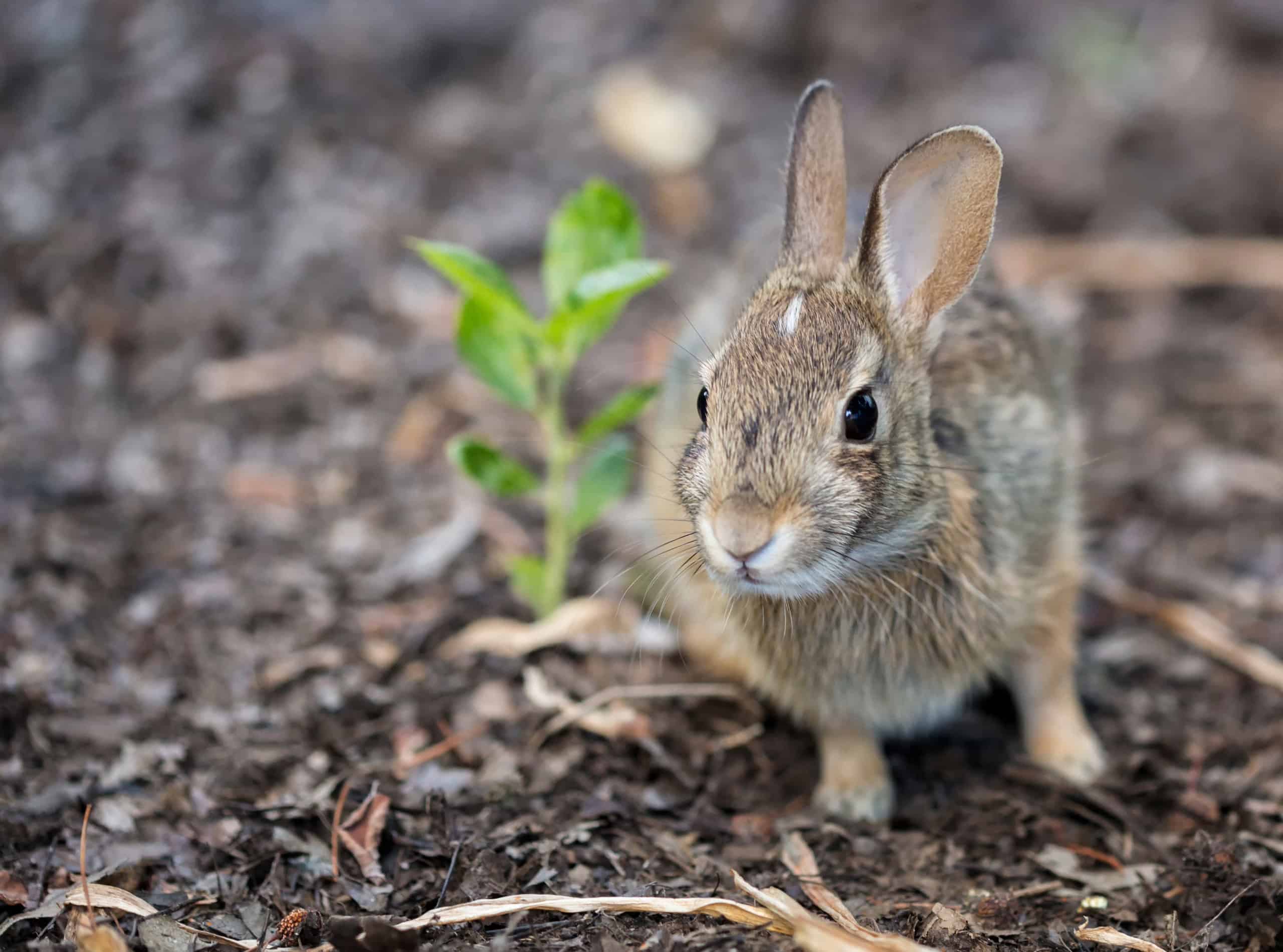
RABBITS
The rabbit in your yard is probably the introduced eastern cottontail, roughly 17 inches in length, light brown with tail visibly white on the underside.
Rabbits eat grass, wildflowers, and garden crops. Most damage occurs in spring when rabbits feed on newly emerging seedlings. Larger and less tender plants are not as palatable. Rabbits snip stems with clean, 45-degree angled cuts close to the ground. Winter diets shift to buds, twigs, inner bark, and conifer needles.
Barriers are most effective for control. Install fences of 2- to 3-inch mesh 3 feet high and extend 6 inches underground to discourage burrowing. Wrap vulnerable trees and shrubs with hardware cloth, wire cylinders, or plastic tubes. Commercial repellent sprays may work for a limited time and be practical for small areas, but not entire yards.
TREE SQUIRRELS
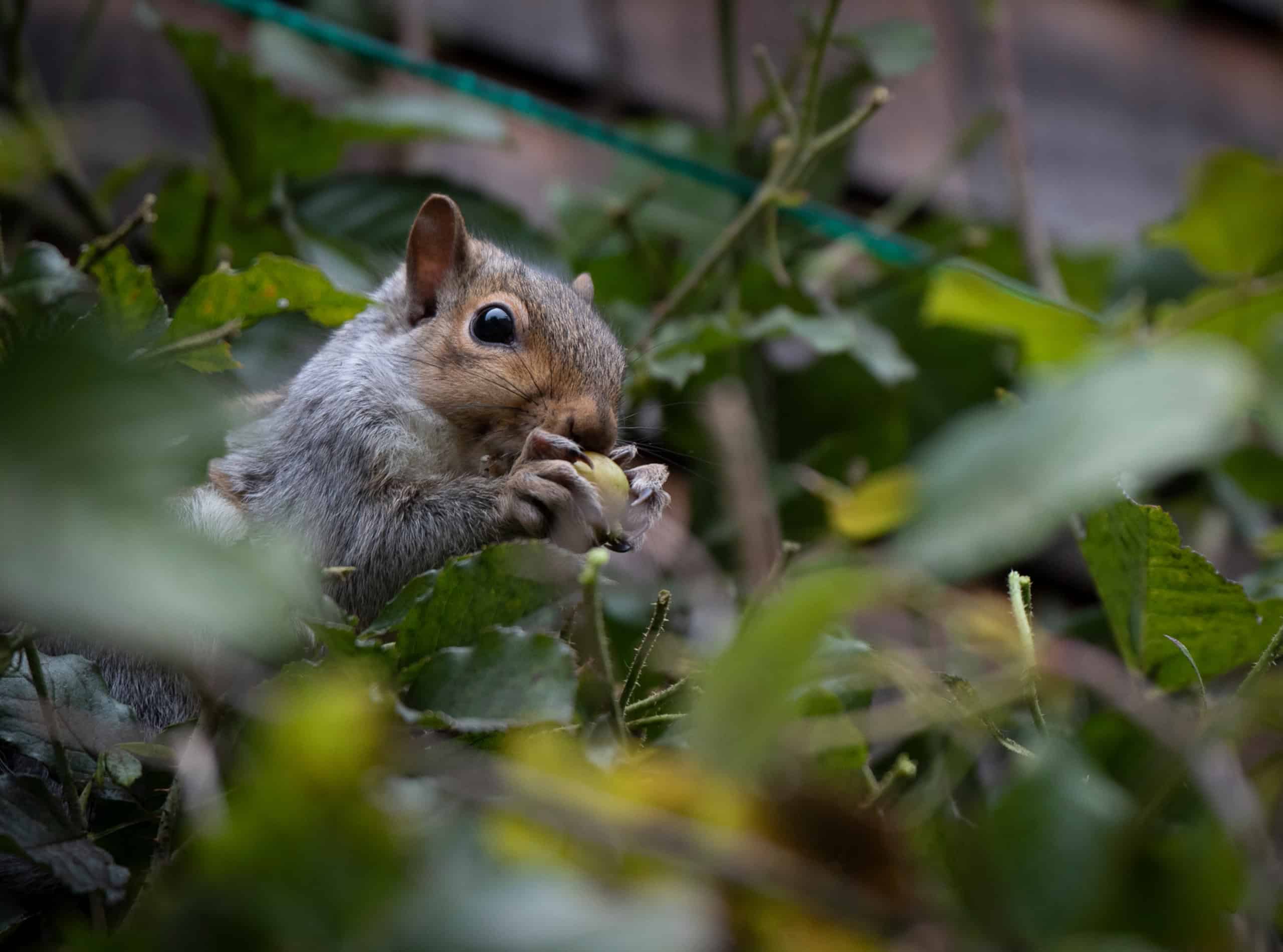
Washington is home to four native and two introduced tree squirrels. The species most common to yards is the non-native Eastern Gray Squirrel.
Tree squirrels are opportunistic foragers, eating a variety of foods, though seeds and nuts are their mainstay. Squirrels dig up bulbs, eat ripened fruits, empty bird feeders, and bury nuts in landscaped areas. Tree squirrels will strip the bark off red cedar and other trees to line their nests.
Attics, basements, sheds, and other structures are attractive nesting locations and a place to gnaw on whatever is available to maintain the length and sharpness of their continually growing teeth. Reducing squirrel populations is difficult. You can remove nut trees from your yard, install squirrel-proof bird feeders, and encourage neighbors not to feed them.
RACCOONS
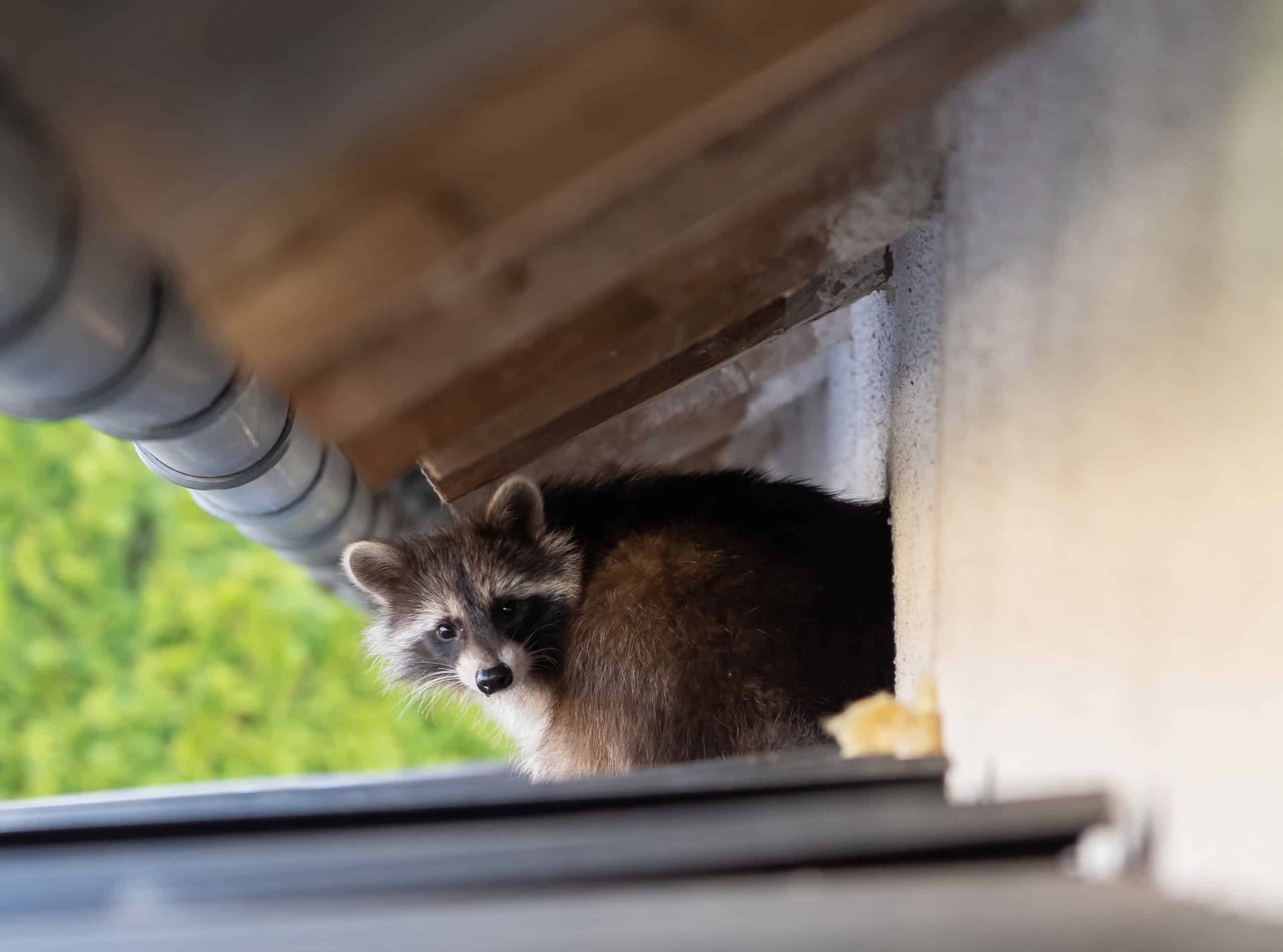
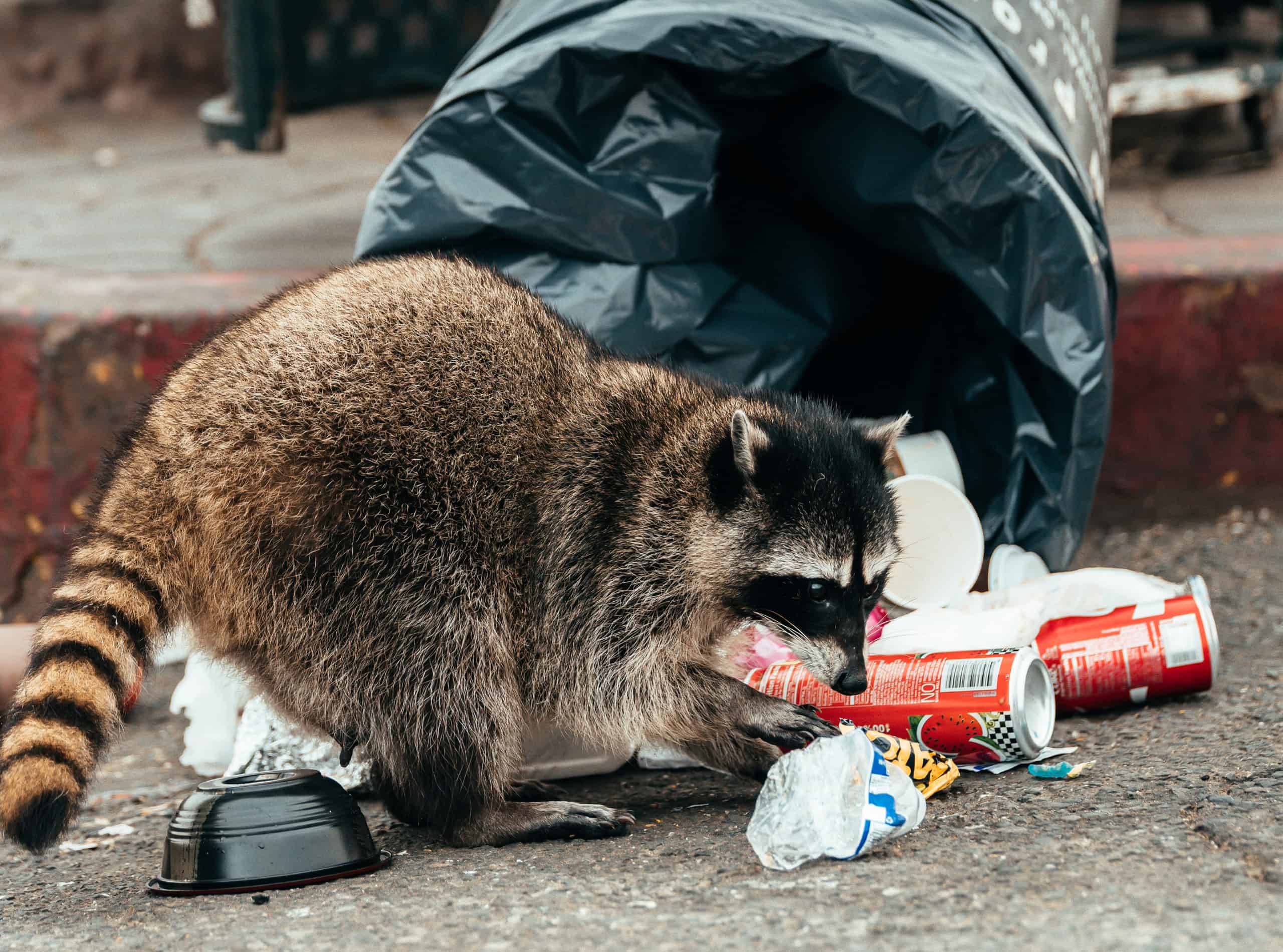
Raccoons are omnivorous. Plant foods encompass all kinds of fruits, nuts, acorns, corn, and grains. Animal foods include shellfish, eggs, small animals, and birds. Raccoons do not typically dig holes in lawns but may roll back sections of sod in search of insects and grubs. In addition to backyard offerings, raccoons scavenge from garbage cans and compost piles. Unsecured trash cans, pet food left outside, bird feeders, and fish ponds rank high as food sources.
Raccoons are generally nocturnal. They move to different dens or daytime rest areas every few days. Raccoons urinate and defecate in communal sites called latrines. These can be found at the base of trees or in tree forks, woodpiles, decks, attics, or roofs. Fecal matter is often contaminated with roundworm eggs and harmful bacteria.
It is more important to keep raccoons out of your home than out of your garden. Most raccoons seeking to nest in your attic or basement are pregnant females. Preventative maintenance to eliminate points of entry is the most effective means to keep raccoons outdoors.
 Mark Your Calendar for These Free Know & Grow Workshops
Ways You Can Help Your Backyard Birds
Tuesday, August 18, 2026
1:00 pm – 2:30 pm
Spectacular Fall Color – How You Can Have it in Your Garden
Tuesday, September 15, 2026
1:00 pm – 2:30 pm
Prepare Your Garden for Fall and Winter
Tuesday, October 20, 2026
1:00 pm – 2:30 pm
Creating an Award-Winning Display Garden for the NW Flower and Garden Festival
Tuesday, November 10, 2026
1:00 pm – 2:30 pm
Sakuma Auditorium
16650 SR 536, Mount Vernon, WA 98273
CHIPMUNKS
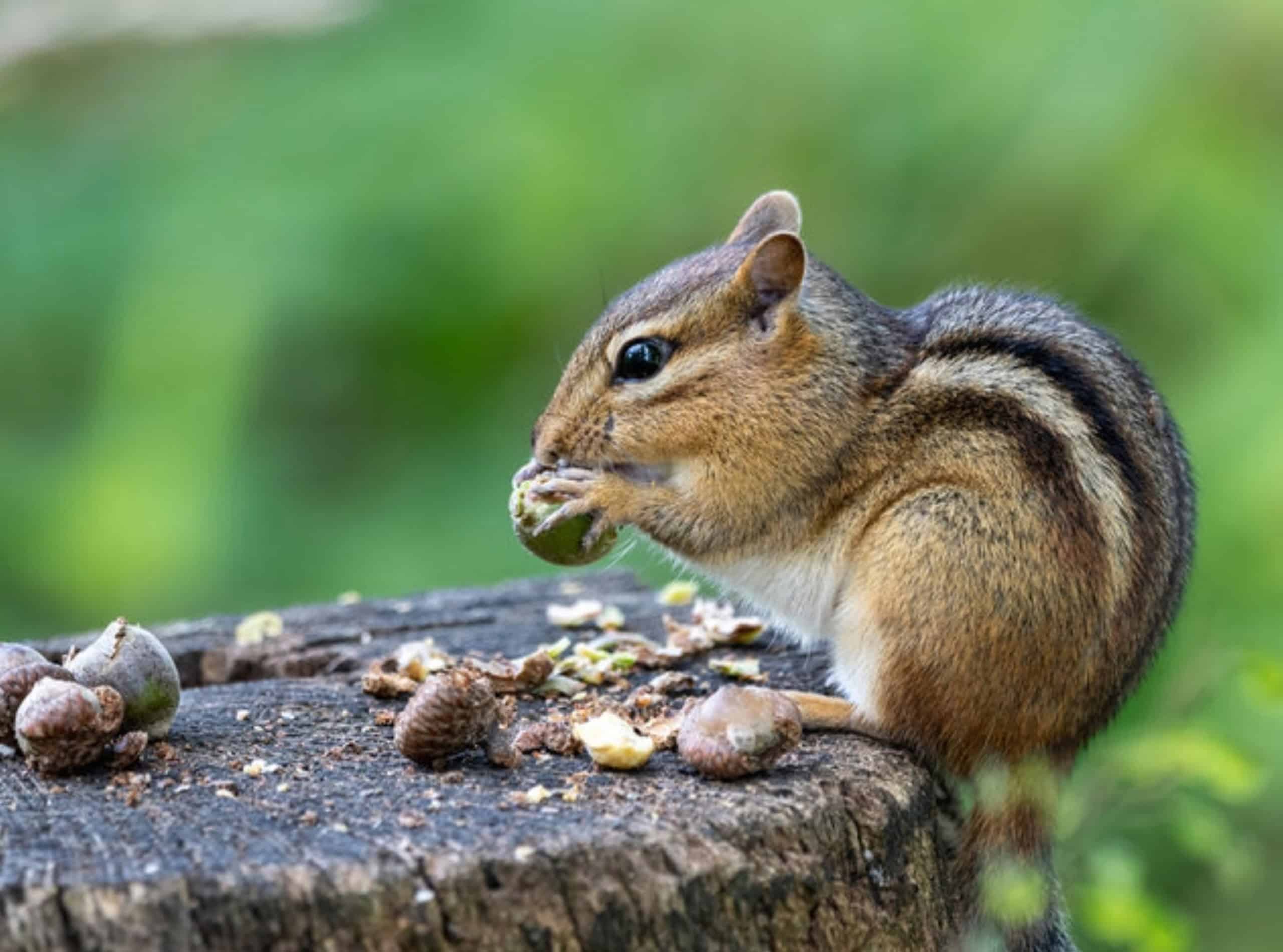
Chipmunks are solitary omnivores feeding on nuts, seeds, fruit, worms, eggs, small arthropods, and amphibians. While they may damage fruits and bulbs, burrowing activities cause the most destruction by uprooting plants and tunneling under foundations.
Burrows are typically 20-30 feet in length with escape tunnels and side chambers for nesting and food storage. Burrows are hidden near woodpiles, stumps, and brush piles and have no obvious dirt mound to mark entry points. Chipmunks enter a semi-hibernation during the winter, waking periodically to dip into their food caches.
You are more likely to see chipmunks feeding below bird feeders rather than in them, so keep the area clean beneath feeders. Minimize debris and woodpiles near structures to reduce burrowing near foundations.
PORCUPINES
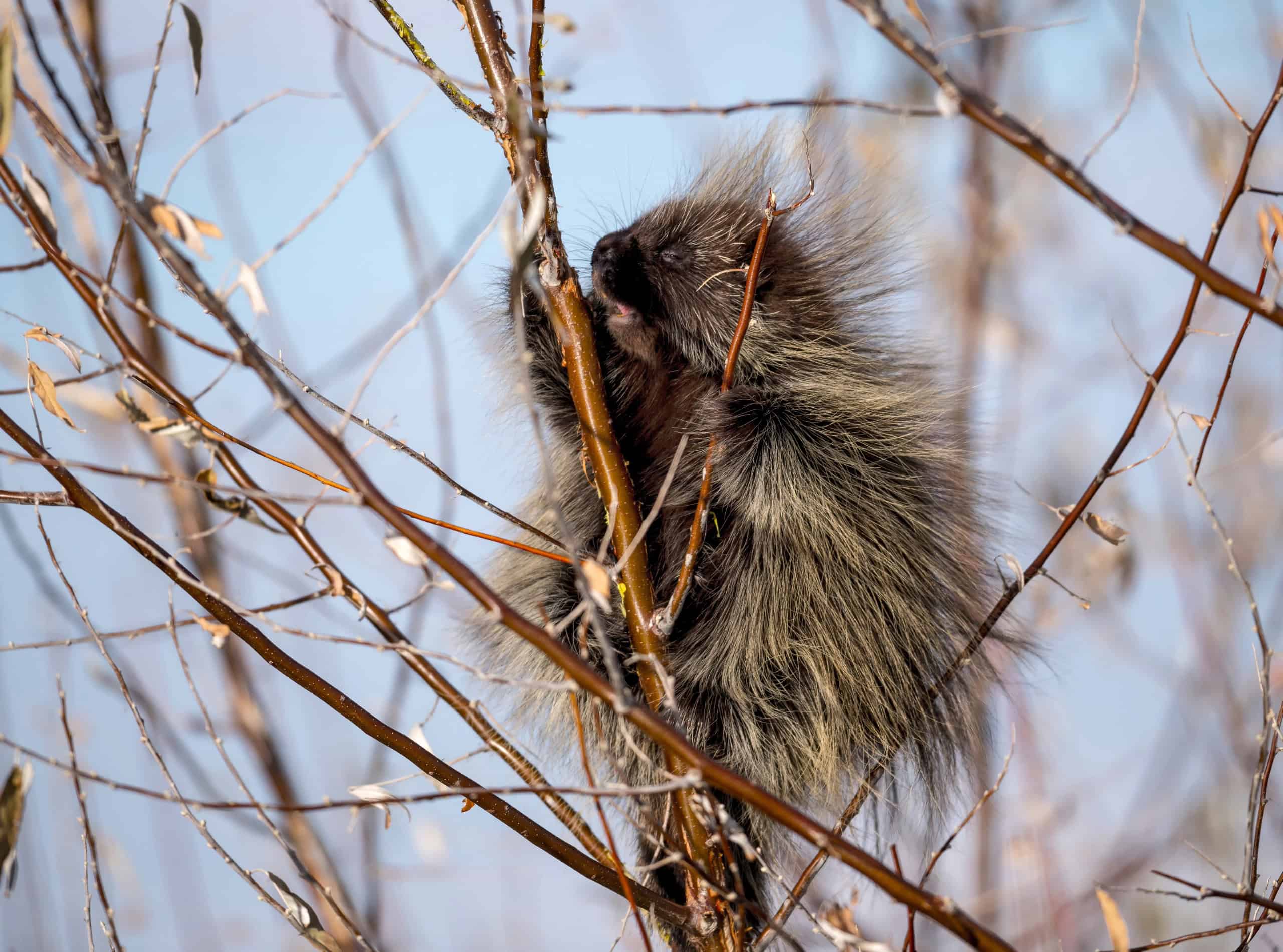
Porcupines are nocturnal rodents spending days at rest in trees or rocky areas. Porcupines are strict herbivores feeding on herbaceous material in the spring and woody plants in winter. They are particularly attracted to fruit trees, but the worst harm is the stripping and eating of inner bark off young trees. Basal girdling is common on conifer saplings as well as debarking on upper boles and larger branches.
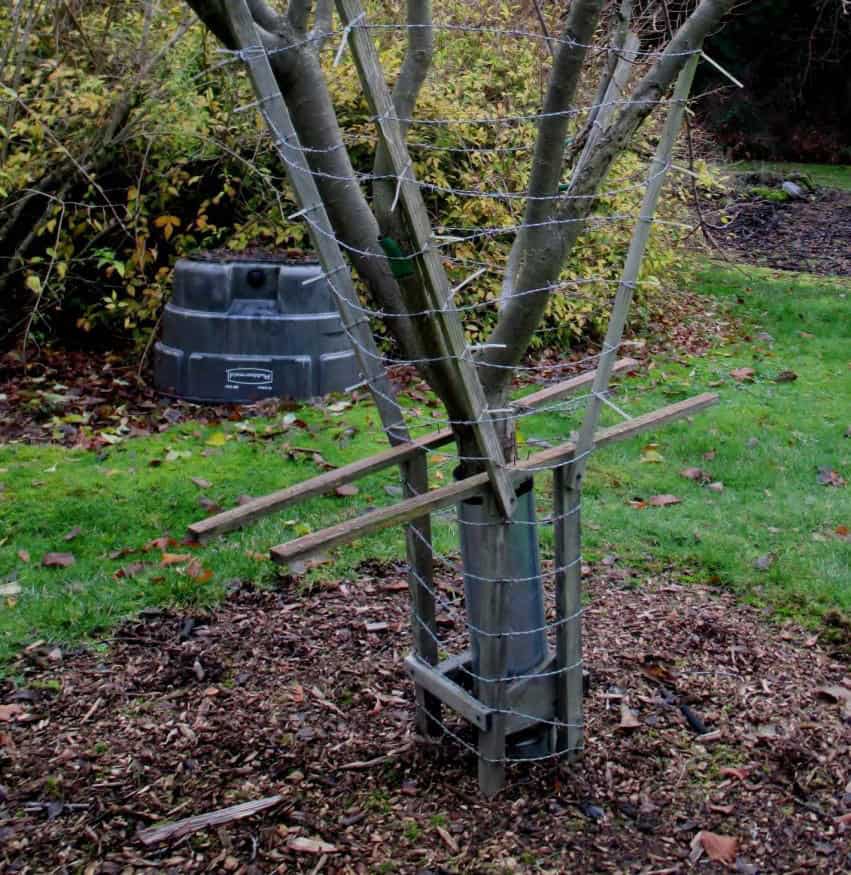
Exclusion by fencing is the most effective method for preventing porcupine damage. Place wire mesh or a band of aluminum flashing around tree trunks to exclude access to tree crowns. Trapping is actually an effective control technique, as porcupines from surrounding areas will be slow to reinvade an area.
RIVER OTTERS, SKUNKS, WEASELS
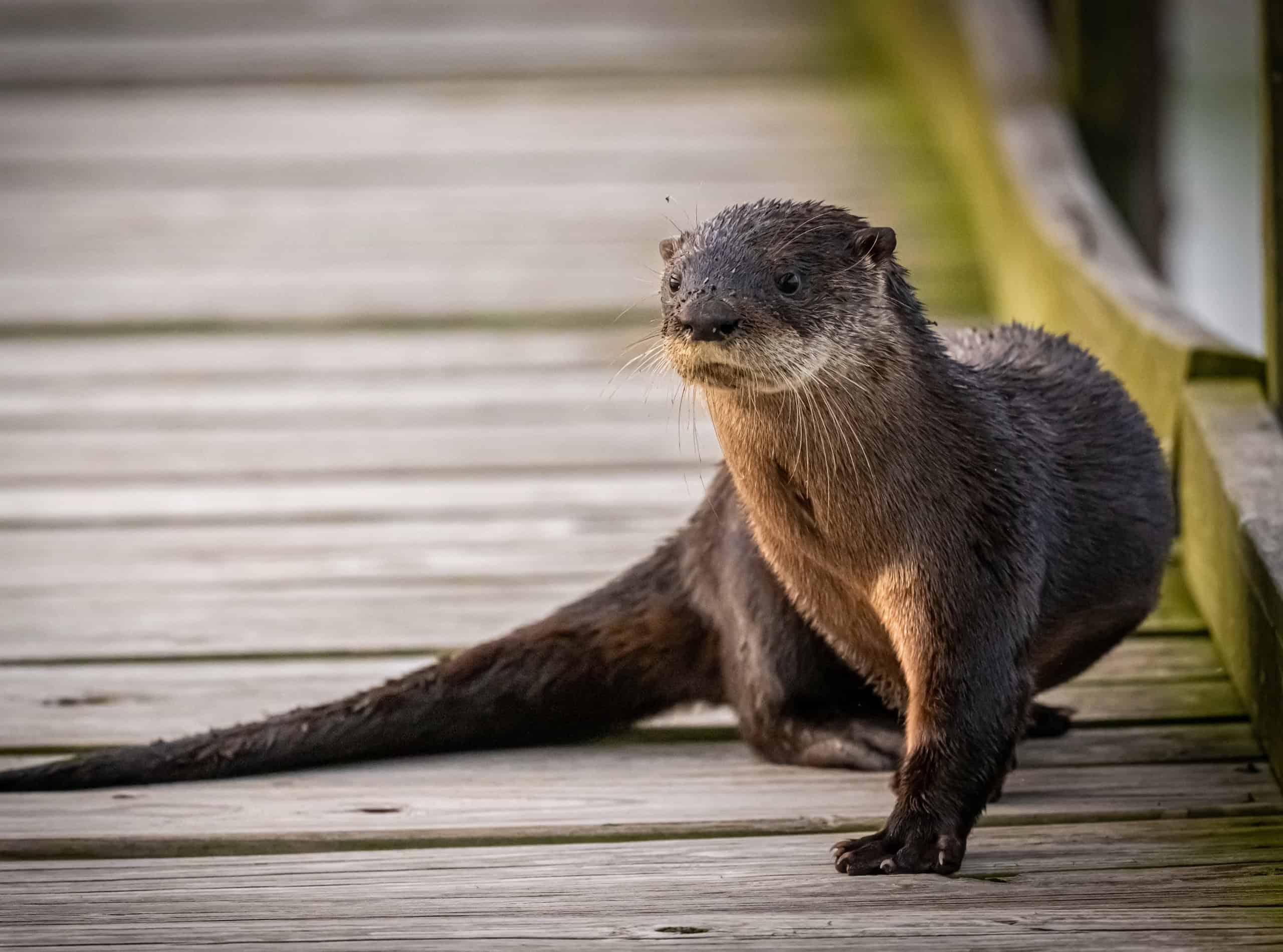
As a group, skunks, river otters, and weasels do limited damage to gardens but become a nuisance when living under porches, outbuildings, or homes. All have scent glands that emit strong, repellent odors. Skunks are mild-tempered, nocturnal, and solitary omnivores. They may damage lawns by digging small pits in search of grubs and other insects. River otters are carnivorous, eating mostly aquatic organisms including shellfish, crabs, and amphibians. They can easily clear out small fish ponds and may nest under your house if you live close to a water source. Weasels are ferocious predators that typically live near water bodies but rarely enter homes. They prefer to eat small rodents but also take squirrels, chipmunks, shrews, moles, rabbits, snakes, and amphibians. Except for their penchant for raiding chicken coops, weasels are a great way to control other vertebrate pests in yards.
According to Washington Department of Fish and Wildlife regulations, property owners can legally trap/kill nuisance animals. Kill trapping of game species requires a special permit, which may only be obtained if non-lethal control methods prove ineffective. No permit is necessary for the use of live (cage) traps, but capture and relocation of wildlife off your property is prohibited; a captured animal must be killed or released elsewhere on the property. Euthanasia guidelines consider drowning, live burial, and freezing to be inhumane. Suitable methods for killing include injections of specific pharmaceuticals, carbon monoxide poisoning, or a gunshot to the head.
Trapping outdoors as a removal technique is generally ineffective; without habitat modifications, most nuisance wildlife will repopulate areas soon after control efforts have ceased. Consider controlling outdoor populations by removing attractants, animal proofing structures, and installing suitable fencing and screening.
References:
Pehling, D. Principles of Vertebrate Pest Management, Washington State University, accessed 10 July 2021..
Species & Habitats, Washington Department of Fish and Wildlife, 10 July 2021
Trapper Education in Washington State, Washington Department of Fish and Wildlife.
Maser, C. Mammals of the Pacific Northwest: From the Coast to the High Cascades. Corvalis: Oregon State University Press, 1998

Alison Hitchcock
ABOUT THE AUTHOR:
Alison Hitchcock has been a Skagit County WSU Extension Master Gardener since 2001. Prior to retirement, Alison worked for the Department of Natural Resources as the Northwest Regional Silviculturist.
Questions about home gardening or becoming a master gardener may be directed to Skagit County WSU Extension Office, 11768 Westar Lane, Suite A, Burlington, WA 98233; by phone: 360-428-4270; or via the Skagit County WSU Extension website.
Washington State University Extension helps people develop leadership skills and use research-based knowledge to improve economic status and quality of life. Cooperating agencies: Washington State University, US Department of Agriculture, and Skagit County. Extension programs and policies are available to all without discrimination. To request disability accommodations contact us at least ten days in advance.