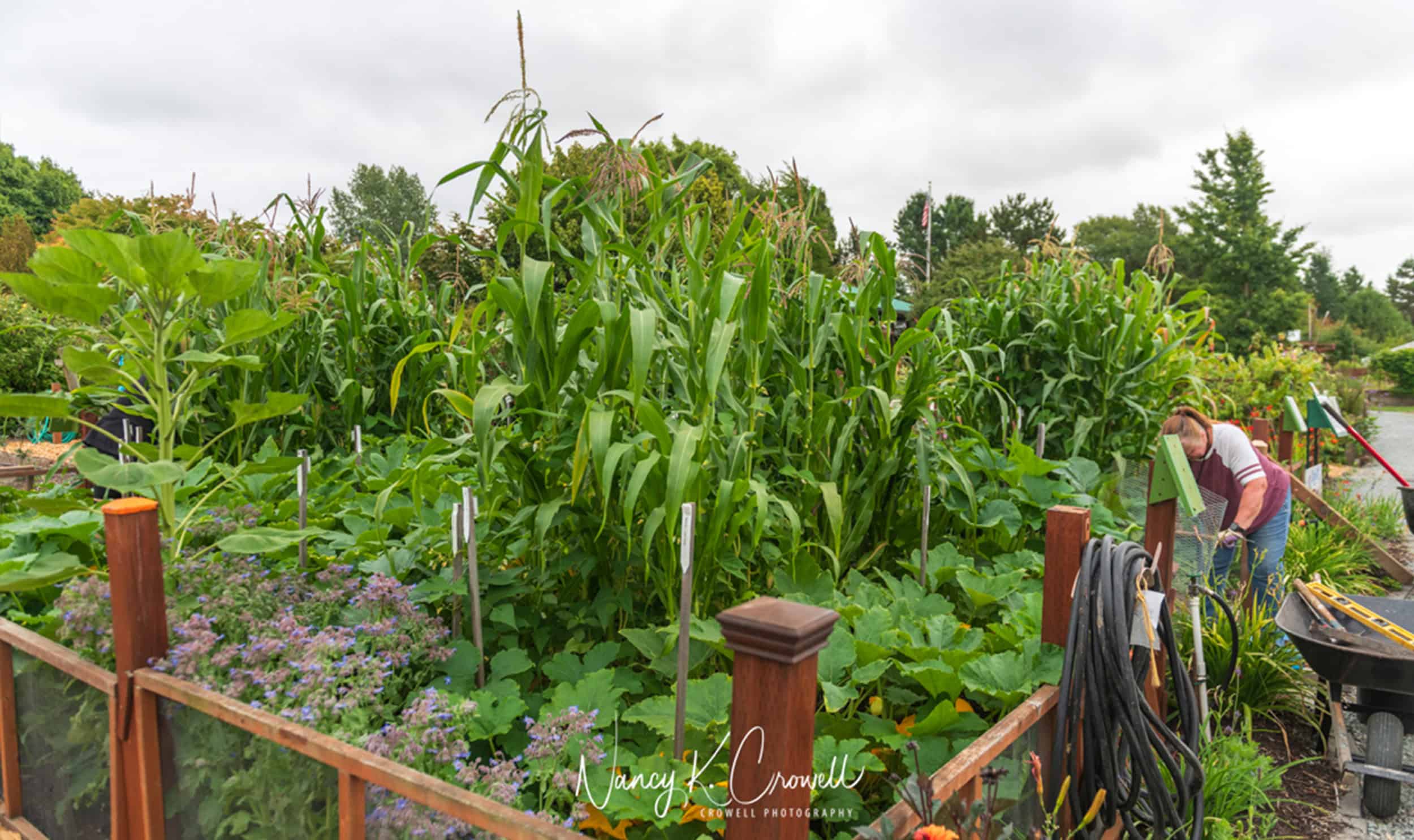
garden with corn, beans and squash growing
The companion planting system known as the “Three Sisters” is combination of corn, beans, and squash. Practiced by Indigenous peoples of the Americas for centuries, it is scientifically proven. Photo © Crowell Photography.com

Post: May 15, 2026

Subscribe to the Blog >

The Science Behind Plant Partnerships

It’s not magic; it is ecology in action

<alt>

Rae Barto

By Rae Barto, Skagit County WSU Extension Master Gardener

Companion planting, the practice of growing different plant species together for mutual benefit, has long been part of gardening traditions across cultures. Historically, it has been framed through folklore, anecdote, and trial and error. But in the last two decades, scientific research has begun to validate, refine, and sometimes debunk these claims.

Modern researchers increasingly view gardens and farms as ecosystems rather than isolated plant beds. Companion planting is best understood as a form of polyculture, where multiple species create a more biodiverse and resilient environment. This biodiversity enhances nutrient cycling, reduces pest pressure, improves water retention, and carbon sequestration.

At its core, companion planting operates through several scientifically documented mechanisms.

Resource partitioning involves physical competition between plants. Plants with different growth habits, root depths, or nutrient requirements can coexist more efficiently than those competing for identical resources. Studies using isotope tracing have demonstrated that companion plantings access different soil layers and nutrient pools, thereby reducing competition.

Allelopathy — the chemical interaction between plants — represents one of the most studied aspects. Plants release various compounds through their roots, leaves, and decomposing matter that can either inhibit or promote the growth of nearby species. Research is identifying specific chemicals responsible for these interactions, providing a biochemical explanation for traditional planting combinations.

The attraction and repulsion of insects through companion planting is getting a lot of attention, and agricultural research proves plants produce volatile organic compounds (VOCs) that can either deter harmful insects or attract beneficial predators and pollinators. Aromatic plants can confuse or mask host plant odors, reducing pest pressure. They are typically short-range, not garden-wide.

Nitrogen Fixation: The Three Sisters and Beyond

Perhaps the most scientifically validated companion planting system is the “Three Sisters” combination of corn, beans, and squash, practiced by Indigenous peoples of the Americas for centuries. Research has confirmed that leguminous beans form symbiotic relationships with rhizobia bacteria, converting atmospheric nitrogen into plant-available forms that benefit neighboring crops.

While these benefits come primarily after the legume decomposes, planting beans next to corn (a heavy nitrogen feeder) allows the corn roots to obtain a trickle of nitrogen from the beans during the growing season. The beans utilize the corn stalks as natural trellises, while the broad squash leaves create living mulch that suppresses weeds and retains soil moisture, effects quantified through controlled field experiments.
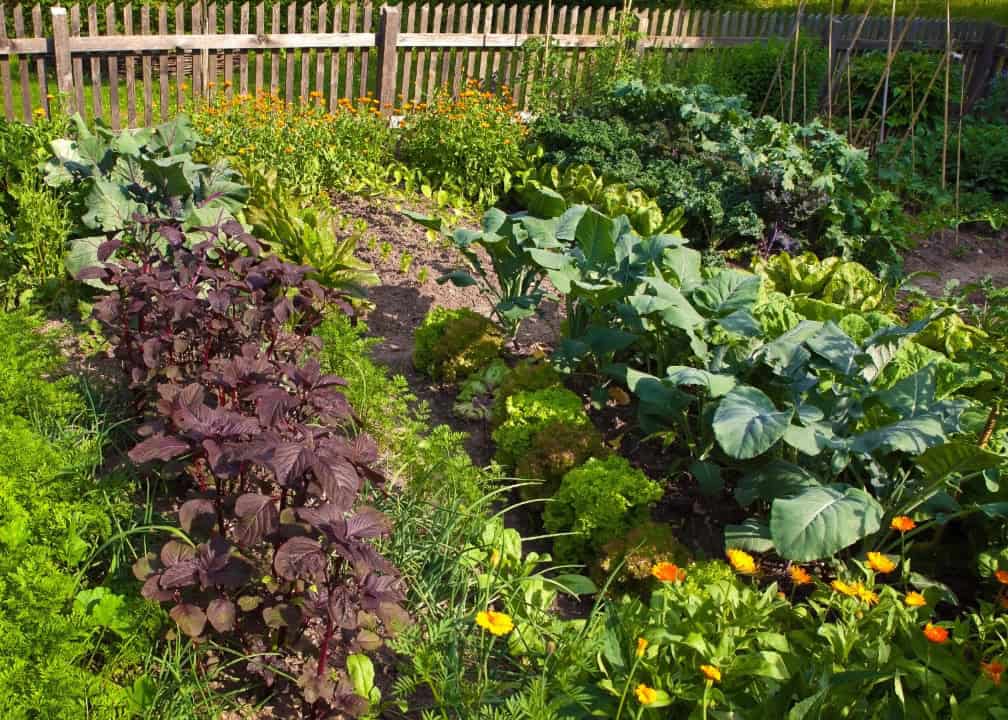
vegetables growing in rows of a garden
Soil type, climate, and local pest populations can influence the effectiveness of plant combinations, underscores the importance of adapting companion planting strategies to local conditions. Photo © Adobe Stock
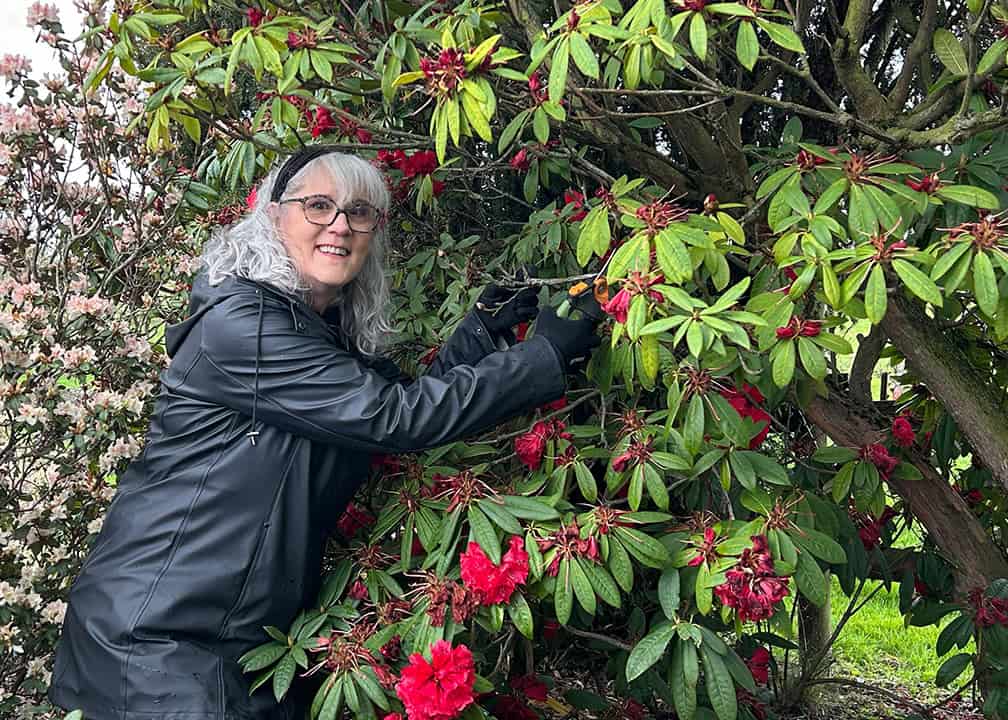
woman pruning rhododendron

Pruning Shrubs for the Home Gardener

May Know & Grow

Free. No registration required.

Presentor: Anne Kurt, Skagit County WSU Extension Master Gardener and Certified Master Pruner

Tuesday, May 19, 2026 ~ 1 p.m.

Sakuma Auditorium
16650 SR 536, Mount Vernon, WA 98273

Come learn some simple seasonal pruning tips to encourage the health and appearance of your garden shrubs. Learn to identify growth habit and determine the right time to prune and how. You will gain confidence and your garden will thrive.

Photo © Skagit County Master Gardener Foundation

Modern research has expanded our understanding of nitrogen-fixing partnerships beyond traditional combinations. Studies have documented beneficial relationships between leguminous cover crops and subsequent plantings with measured increases in soil organic matter and nitrogen availability lasting multiple growing seasons.

Pest Management through Plant Chemistry

Scientific investigation of companion planting for pest control has revealed sophisticated chemical defense networks. Brassicas (cabbage family plants) produce glucosinolates — sulfur-containing compounds that break down into pest-deterrent chemicals. Research has shown that these compounds can reduce populations of aphids, flea beetles, and other common garden pests when brassicas are interplanted with susceptible crops.

Beneficial Insect Attraction and Habitat Creation

Companion planting’s role in supporting beneficial insects has been thoroughly documented through field studies and insect population surveys. Flowering companions provide nectar and pollen sources that sustain parasitic wasps, predatory beetles, and other natural pest controllers through the growing season.

Research has shown that gardens with diverse flowering plants maintain higher populations of beneficial insects, leading to measurable reductions in pest damage. Studies tracking parasitoid wasp populations have demonstrated direct correlations between the presence of nectar-producing plants and improved biological pest control.

Habitat diversification through companion planting creates microclimates that support beneficial species. Research has documented how varied plant heights, leaf textures, and bloom times provide overwintering sites, hunting grounds, and nesting opportunities for natural pest predators.

Aromatic herbs like basil, rosemary, and thyme have been studied extensively for their pest-repelling properties. Laboratory and field studies have identified specific essential oils and their concentrations that effectively deter insects. For example, research has demonstrated that basil planted near tomatoes can reduce populations of hornworms and whiteflies by releasing volatile compounds such as eugenol and linalool.

logo with white dogwood flower

Save the Date:

Discovery Garden Open House

Celebrating 30 years of education, inspiration and dedication to the community

Saturday, June 27 ~ 10 am – 2 pm
Free Admission and Parking

Discovery Garden
16602 State Route 536, Memorial Highway, Mount Vernon

Soil Health and Nutrient Cycling

One of the most significant advances in understanding companion planting comes from soil microbial ecology. Plants shape the microbial communities around the roots, and when species are grown together, these communities interact in complex ways.

Scientific studies of companion planting’s effects on soil health reveal complex underground interactions.

Mycorrhizal networks
The symbiotic relationship between plant roots and beneficial fungi, called a mycorrhizal network, can be enhanced through strategic plant combinations. Research using molecular techniques has shown how certain companion plants can expand these fungal networks, improving nutrient uptake and plant resilience.
Root exudate interactions
The carbon-rich compounds released by roots have been studied extensively, revealing how different plants can modify soil chemistry to benefit neighbors. For example, research has shown that certain plants release organic acids that help solubilize phosphorus, making this essential nutrient more available to companion plants with different root chemistries.
Carbon sequestration
The process by which plants capture and store atmospheric carbon dioxide (CO2) is called carbon sequestration. Studies have shown that soil organic matter improves with diverse plantings. Research demonstrates that polyculture systems often store more carbon in soil than monocultures, thereby contributing to long-term improvements in soil fertility and structure.
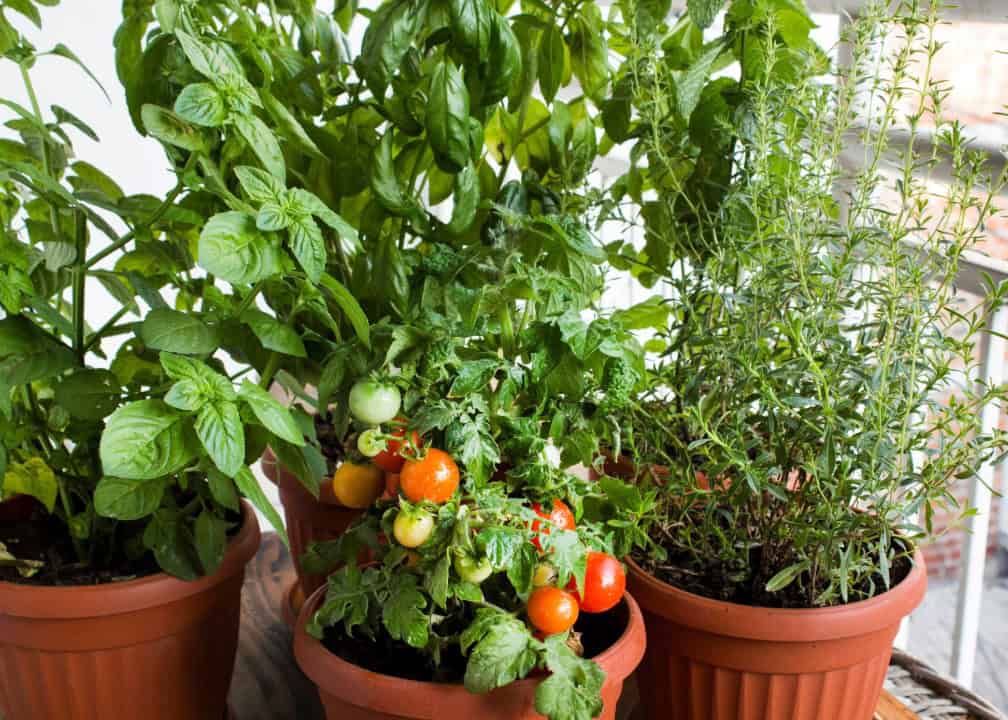
tomatoes and basil growing in pots by a window
Tomatoes and basil have been studied extensively, and research has confirmed that basil can deter certain pests. Photo © Adobe Stock
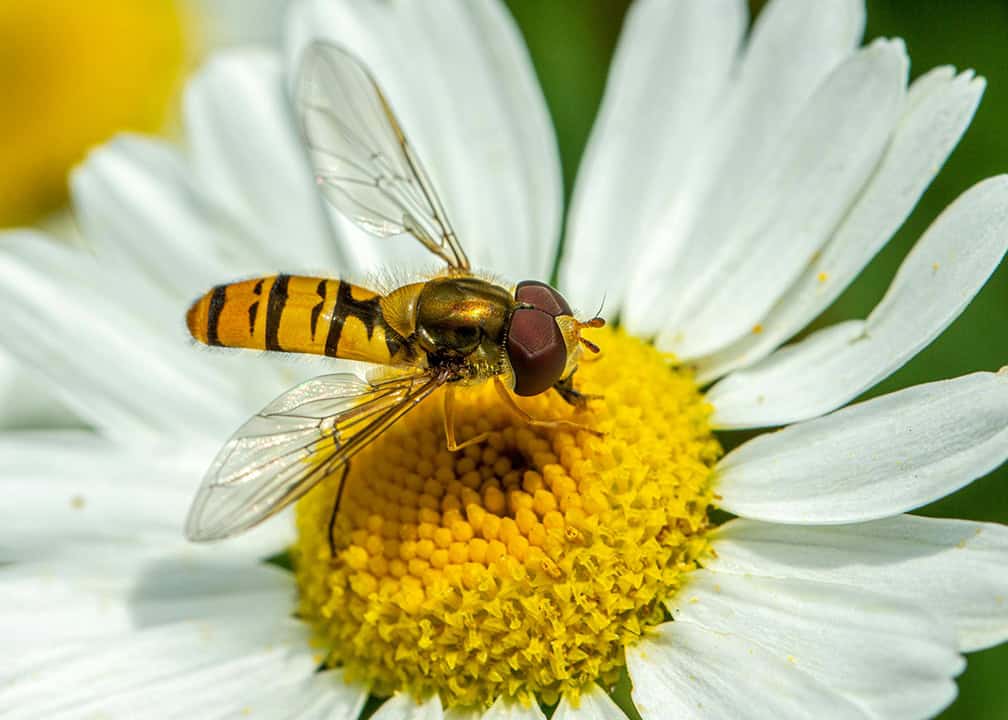
overfly on daisy
This hoverfly is a sign of a well-balanced garden habitat. It is important for the gardener to know the difference between beneficial insects (and what their eggs look like) and harmful insects. Photo © Antonio Friedemann | Pexels.com

Limitations and Considerations

Scientific research also reveals important limitations of companion planting.

Allelopathic inhibition
A biological phenomenon where plants release chemical compounds (allelochemicals) into the environment that suppress the germination, growth, or reproduction of neighboring plants or microorganisms can occur when incompatible plants are grown together. Studies have documented how certain combinations can reduce yields rather than improve them.
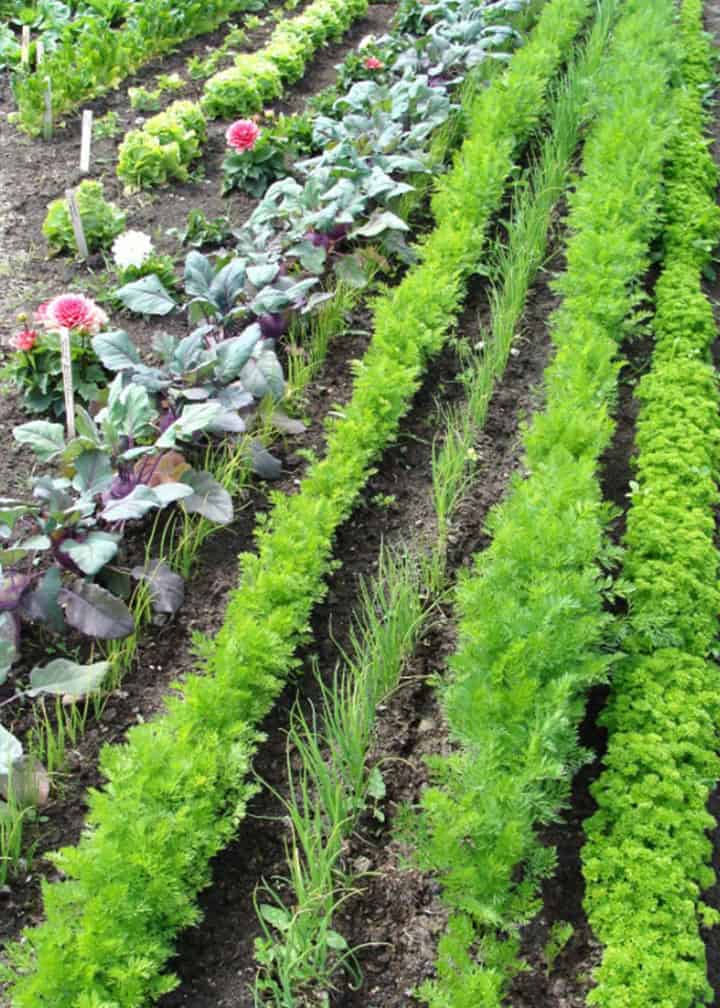
rows of carrots, chives growing in garden

Carrot and chive studies have shown that chives can repel carrot rust flies through the release of sulfur compounds; while differing root depths allow effective resource use. Photo © Adobe Stock

Competition
The effects of competition must be considered, as research shows that plants grown too closely can compete for water, nutrients, and light regardless of species compatibility. Scientific studies emphasize the importance of proper spacing and timing in companion planting systems.
Environmental variability
Research demonstrates that soil type, climate, and local pest populations can influence the effectiveness of plant combinations. This underscores the importance of adapting companion planting strategies to local conditions.
Evidence-Based Companion Combinations
Tomatoes and basil have been studied extensively, and research has confirmed that basil can deter certain pests.

Carrot and chive studies have shown that chives can repel carrot rust flies through the release of sulfur compounds; while differing root depths allow effective resource use.

Lettuce and tall plants demonstrate the shade tolerance principle, with research showing that partial shade can extend lettuce growing seasons and reduce bolting in hot weather.

Practical guidance:

  • Focus on increasing diversity, not specific “magic” pairings. Polycultures reduce pest outbreaks and improve soil health.
  • Include flowering plants to attract and support beneficial insects.
  • Use legumes for nitrogen fixation and to build soil health; interplant beans, peas, or clover with nitrogen-demanding crops.
  • Combine plants with complementary root systems; mix deep-rooted, shallow-rooted, and tap-rooted species.
  • Use the plant’s physical structures — tall plants can support climbers or provide shade.
  • Incorporate cover crops — oats, buckwheat, winter rye, and cowpeas improve soil structure and fertility.
  • Focus on soil microbiology — choose combinations that enhance microbial diversity and nutrient cycling.
  • Observe and adapt, local conditions matter.
  • Combine with other practices, such as crop rotation and soil management.

The science of companion planting validates many traditional practices while providing a deeper understanding of the mechanisms involved. Through scientific research on plant chemistry, soil interaction, and ecological relationships, we now have evidence-based explanations for why certain plant combinations work effectively together.

By understanding the science behind companion planting, gardeners can harness these natural relationships to create thriving, resilient gardens that work with, rather than against, ecological principles. As research continues to reveal new insights into plant interactions, companion planting enables gardeners to combine traditional knowledge with modern science to create a more sustainable, productive garden.

Companion planting is a scientifically supported practice rooted in ecology, soil biology, and plant physiology. While not all traditional pairings hold up under scrutiny, many do, and modern research continues to uncover the mechanisms behind successful plant partnerships.

Companion planting works best as part of a holistic system rather than a standalone solution. Companion planting is not magic; it is ecology in action.

References and Resources

Chalker-Scott, L. (2023). Gardening with Companion Plants (Home Garden Series). Washington State University Extension.

Walliser, J. (2020). Plant Partners: Science-based Companion Planting Strategies for the Vegetable Garden. Storey Publishing, LLC.

James, D. (2014). Beneficial Insects, Spiders, and Other Mini-Creatures in Your Garden. Washington State University Extension., Pub. #EM0673.

University of California (2018). Insectary Plants, Integrated Pest Management, Agriculture and Natural Resources.

ABOUT THE AUTHOR: Rae Barto is a Skagit County WSU Extension Master Gardener, Class of 2023. Her love of plants includes anything green and growing, especially anything that can be used in cooking. She has been experimenting with companion planting for several years in her own garden. She is the coordinator of the medicinal section of the Herb Garden and is a frequent volunteer in the Plant Clinic in Burlington. 


Questions about home gardening or becoming a master gardener may be directed to Skagit County WSU Extension Office, 11768 Westar Lane, Suite A, Burlington, WA 98233; by phone: 360-428-4270; or via the Skagit County WSU Extension website.

Washington State University Extension helps people develop leadership skills and use research-based knowledge to improve economic status and quality of life. Cooperating agencies: Washington State University, US Department of Agriculture, and Skagit County. Extension programs and policies are available to all without discrimination. To request disability accommodations contact us at least ten days in advance.
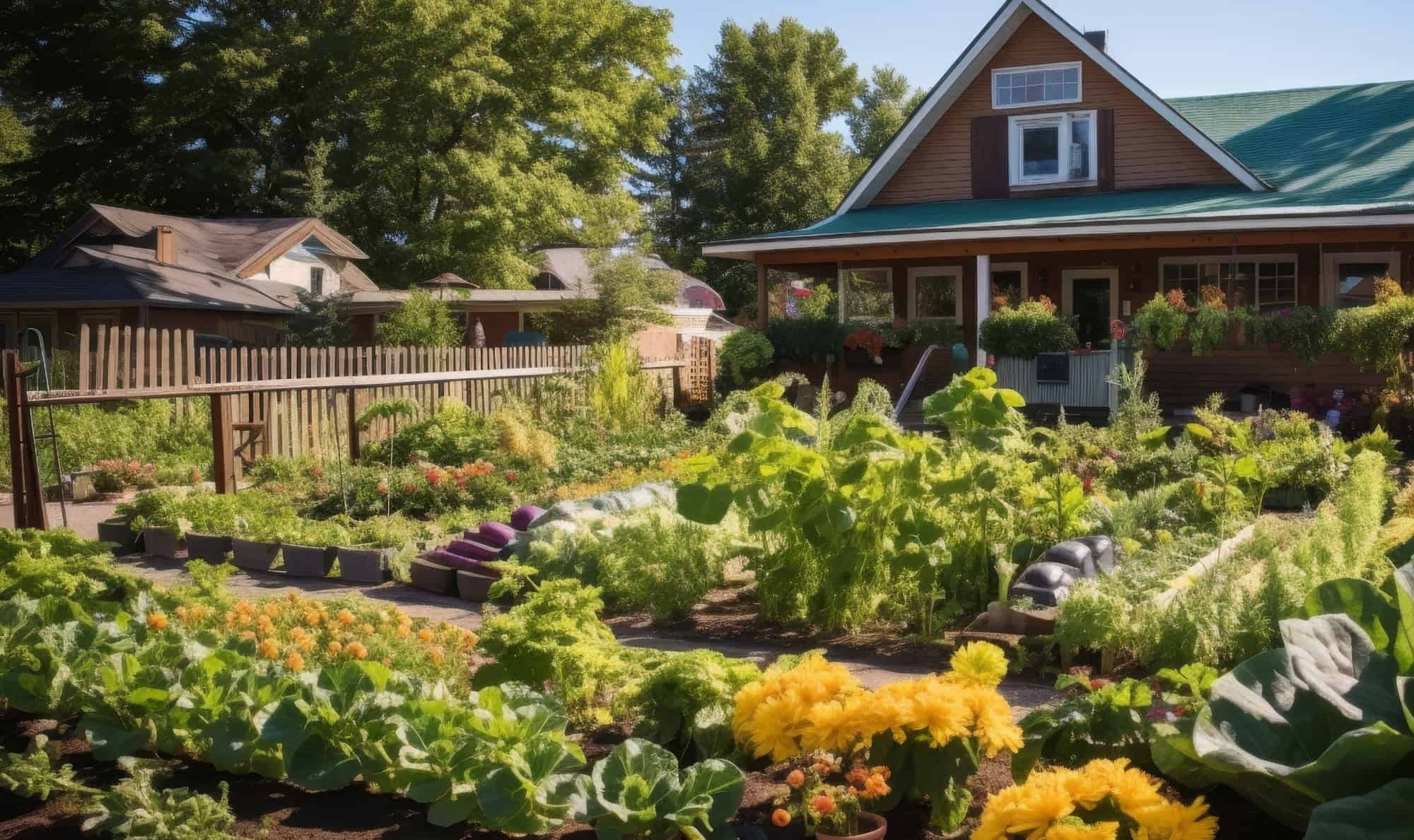

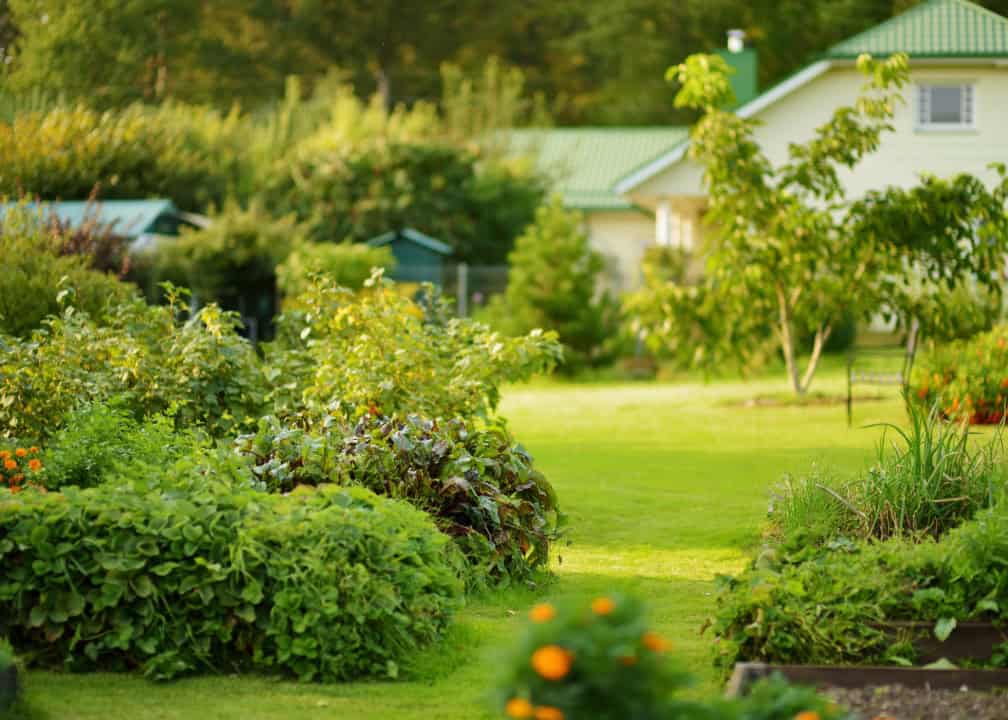
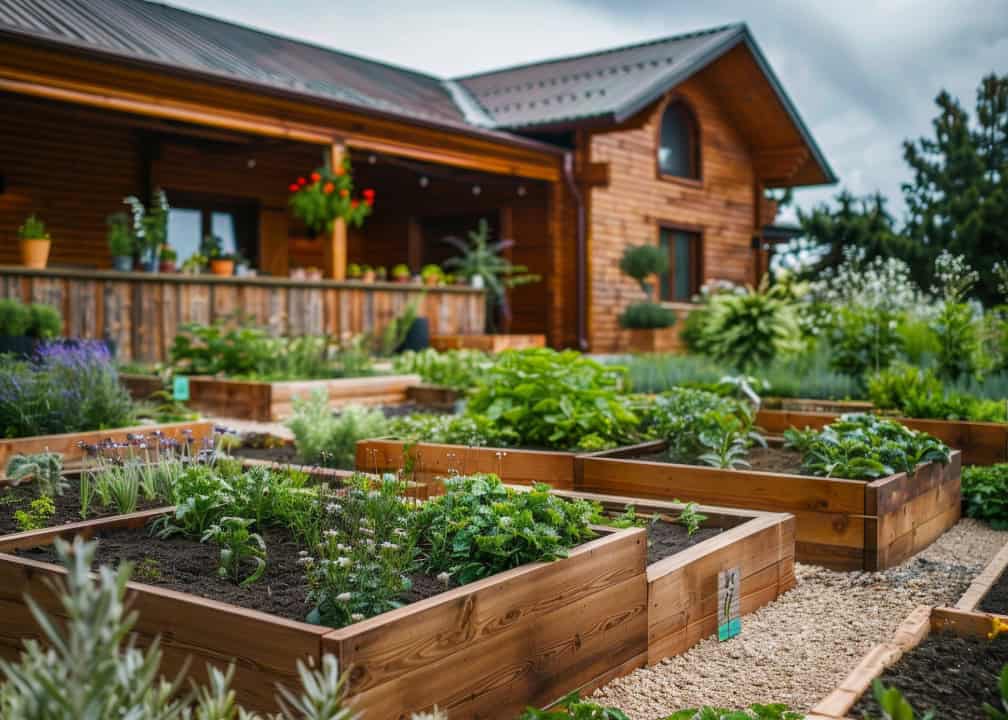
vegetable garden growing with house in background
© Adobe Stock

Post: May 1, 2026

Subscribe to the Blog >

Ready to Go Shopping?

Know your yard’s microclimates before you head to the plant sale


Kari Ranten

Perhaps nothing thrills a home gardener more than the abundance of plants available for sale in spring. A walk through a nursery lures the gardener to marvel at beautiful perennial blooms; to desire the look, texture, and color of a tree or shrub; or to seek out the amazing native plants that call the Pacific Northwest home.

With so many beautiful choices, it’s easy to quickly fill a wagon with one (or three) of everything that looks beautiful in the moment. Before making those impulse buys, take some time to think about what will thrive in your landscape. A little homework will improve the success rate for your new plants. Research your local microclimates and keep the unique details of your yard in mind to make careful selections of the right plants for the right places – a standard master gardener mantra.

Home gardeners in northwest Washington share the Zone 8b assignment on the U.S. Department of Agriculture’s (USDA) Plant Hardiness Zone map. Type in your zip code in the map tool to learn more. This resource provides an excellent overview of plants’ overall frost tolerance and offers a broad overview of the area’s climate.

Gardeners should pair this up with localized information and knowledge of their own property.

Sunset’s Western Garden Book defines a microclimate as “a small area (such as a backyard or even a portion of it) with a slightly different climate than that of its larger surroundings. . . Plants that might not survive in a specific climate zone may grow well in the right microclimate.”

Individual yards likely have one or more unique microclimates that the home gardener should learn about and understand. Microclimates include areas of shade, sun, wind, moisture, soil, and topographic features such as elevation. In northwest Washington, proximity to rivers, lakes, and the Puget Sound also plays a role. In addition, structures, pavement, and fences can create varying conditions.

Armed with this information, gardeners can review plant qualities online or at the library ahead of time, take a list of desired plants or qualities along for the shopping trip, and make smart purchases. Once at the nursery or plant sale, shoppers will benefit from a close evaluation of plant tags (with hardiness zone compatibility and other notes for proper planting conditions) and the option to talk to the experts.

Start by doing your research

Evaluate your yard by drawing a simple map and taking notes. Observe the direction each area faces, note any low-lying areas or slopes, and learn more about the soil quality. Pay attention to the location of structures or hard surfaces that may store heat on a sunny day, creating overnight warm spots, as well as large vegetation that may bring a sphere of shade and cooler temperatures. Perform timed checks every few hours (say 9 a.m., noon, and again at 3 p.m.) during the day to monitor sun and shade patterns. Be aware of elevation and rainfall.

expansive yard

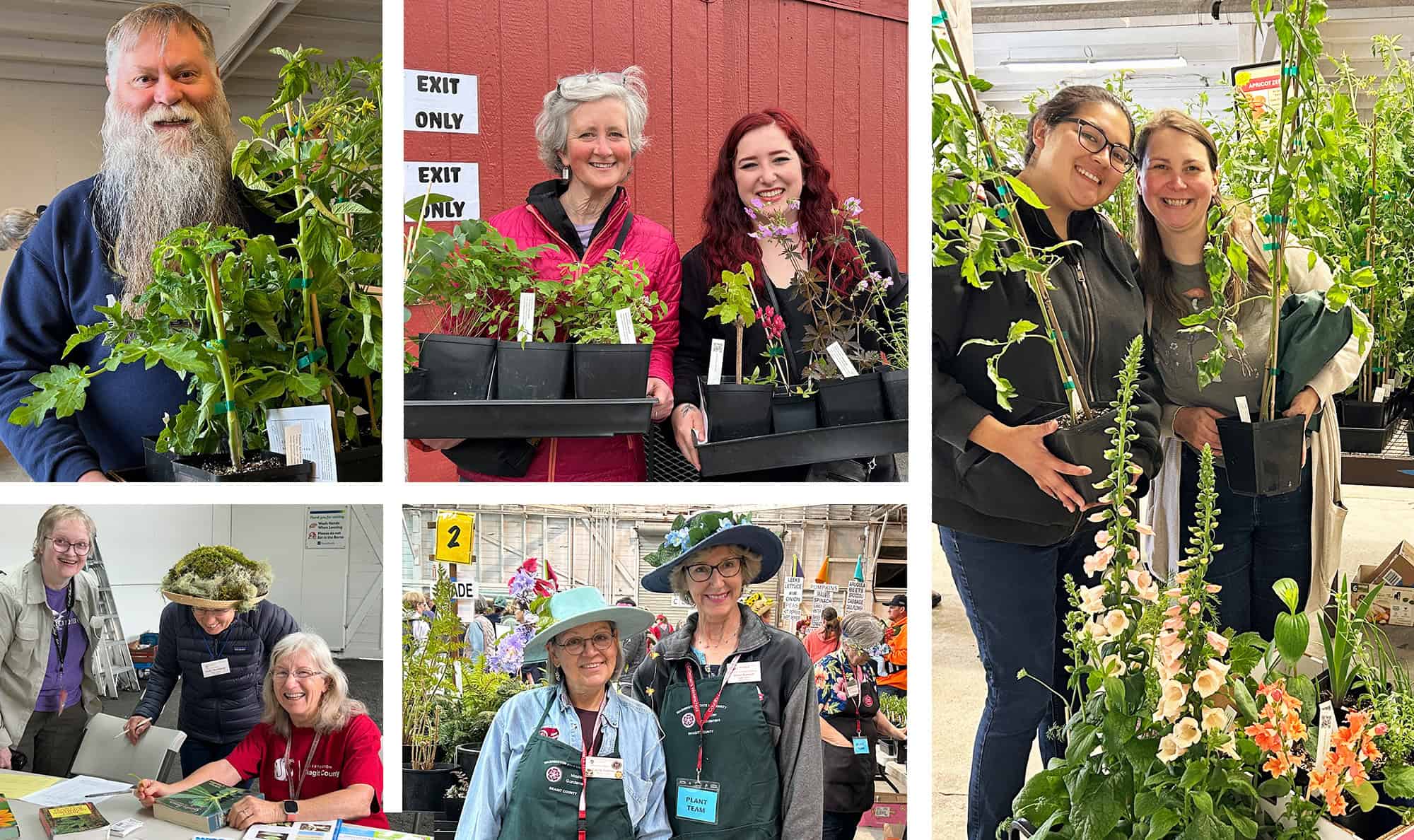
32nd Annual Plant Fair Set for
Saturday, May 9 ~ 8 am – 2 pm
at the Skagit County Fairgrounds

multiple photos of plant fair customers
© Skagit County Master Gardener Foundation

Kick off your spring plant-buying season at the Skagit County Master Gardener Foundation Plant Fair set for 8 a.m. to 2 p.m. on Saturday, May 9, 2026, at the Skagit County Fairgrounds in Mount Vernon. The event will feature more than 10,000 plants grown or tended by Skagit County WSU Extension Master Gardeners for success in northwest Washington. More than 50 varieties of tomatoes and thousands of annuals, vegetables, herbs, perennials, trees, shrubs, berries, and more will be available. In addition, dozens of vendors will be on site with many offering plants and garden-related items. Admission and parking are free. Read the full press release>

Customers can plan ahead and prepare a shopping list by reviewing lists of plants that master gardeners will offer:


The Skagit County WSU Extension Master Gardener Program helps our communities with their gardening needs by providing science-based education, answering plant questions, and helping with plant problems. Proceeds from the annual Plant Fair benefit the nonprofit Skagit County Master Gardener Foundation, which supports the Skagit County Master Gardener Program.

Soil tests from several locations in the yard will help you understand what your soil may need to support healthy plants.

Washington State University’s Ag Weather Net provides regional climate information from several locations in Skagit and surrounding counties about wind, temperature, and precipitation information. A home garden weather station can help gather and archive data at your specific location.

The University of California Agriculture and Natural Resources Marin County Master Gardeners provides a detailed spreadsheet to help assess microclimates and the factors to consider when planning a garden or landscape.

Another research opportunity is to observe thriving landscapes or yards in your neighborhood or community, and to visit botanical gardens in the region to see and learn about plants that thrive in the northwest environment. The 30-plus garden “rooms” of the Skagit County WSU Extension Master Gardener Discovery Garden on Memorial Highway west of Mount Vernon offer many ideas and inspiration for gardens with themes ranging from naturescape and shade to dryscape or succulents. The Discovery Garden is open daily from dawn until dusk.

Say you have a one-third-acre lot with a single-level home in central Skagit County: 

Watch the frost and snow patterns. It’s not uncommon for the north side of the house to harbor frost eight to 10 feet north of the structure for hours after the white frosty layer has melted from the rest of the yard. Snow can remain in place for days in that swath. Plants in that area must be cold and moisture-tolerant. That’s a microclimate. Well-established plants such as a June-blooming rhododendron or a David viburnum (Viburnum davidii) can continue to thrive. Adding shade-loving ferns like Asian saber fern (Polystichum neolobatum), western sword fern (Polystichum munitum), or dragon tail fern (Asplenium ebenoides) along with a couple of perennials like bleeding heart (Dicentra spectabilis) and Solomon’s seal (Polygonatum) add texture and interest in the spring and appear year over year.

woman pruning rhododendron

Pruning Shrubs for the Home Gardener

May Know & Grow

Free. No registration required.

Presentor: Anne Kurt, Skagit County WSU Extension Master Gardener and Certified Master Pruner

Tuesday, May 19, 2026 ~ 1 p.m.

Sakuma Auditorium
16650 SR 536, Mount Vernon, WA 98273

Come learn some simple seasonal pruning tips to encourage the health and appearance of your garden shrubs. Learn to identify growth habit and determine the right time to prune and how. You will gain confidence and your garden will thrive.

Photo © Skagit County Master Gardener Foundation

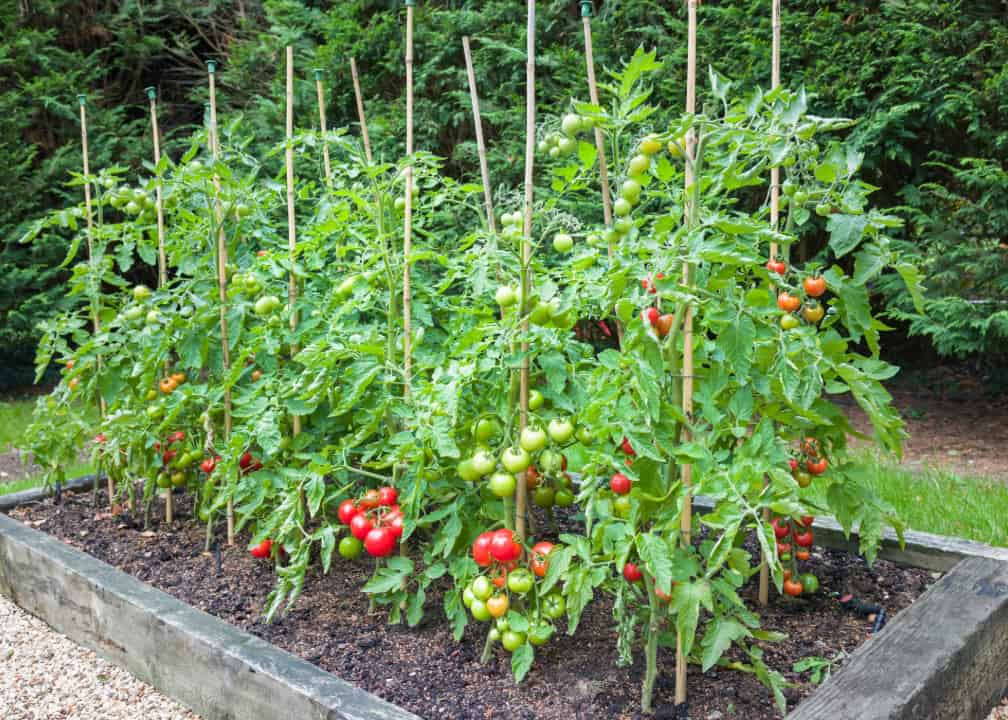
The south side of the house can be quite a different microclimate. A large, south-facing patio and the house’s siding would make a true hot spot, even on warm spring days, much less on a 90-degree summer afternoon. A few plants in hanging baskets could thrive through the summer without an irrigation system. A raised bed or large pots tucked next to a south-facing wall or fence provide warmth and light reflection that tomatoes love, yielding lots of delicious fruit, steps away from the kitchen.

With careful plant selection and regular (sometimes twice daily) watering, larger pots filled with annuals and perennials can produce a beautiful abundance of color for the season. Plants with bright red and orange flowers, such as firecracker plant (Cuphea hybrid), Mexican lobelia (Lobelia laxiflora), and lantana (Verbenaceae) attract a number of pollinators including hummingbirds.

tomato plants growing in raised bed
backyard vegetable garden

Make good plant selections. Create a list of plants that suit the landscape’s microclimates. This includes trees, shrubs, perennials, and annuals. Photos © Adobe Stock


Based on research and data gathered for your yard, you have options:

  1. Make changes to manage a microclimate:
  • Consider adding organic matter to improve soil moisture capacity or install an irrigation system for dry areas.
  • Use raised beds for plants that need drainage and warmer soil temperature.
  • Look into drains for slopes to allow water to flow in wet areas.
  • Move and group plants that appreciate similar conditions.
  • Protect more fragile plants with a shelter of tall plantings or a fence.
  1. Make good plant selections. Create a list of plants that suit the landscape’s microclimates. This includes trees, shrubs, perennials, and annuals. Gardeners have access to a variety of resources for plant lists, including:
  • Sunset’s Western Garden Book offers 30 lengthy lists with photos and plant details based on climate qualities, including sun, shade, dry areas, moisture lovers, and wind resistance.
  • Great Plant Picks, the educational program of the Elisabeth C. Miller Botanical Garden in Seattle, offers many lists to support plant selections for gardeners living west of the Cascade Mountains from Eugene, Oregon, to Vancouver, British Columbia, Canada. Lists focus on drought tolerance, sun and shade, containers, and more.
  • The Washington State Noxious Weed Control Board offers a printable list of noxious weeds.
  • The Washington Native Plant Society provides information on invasive non-native plants that compete with native plants, plus lists on the plethora of Washington native plants that are special to Washington. 

Armed with details about your landscape, soil, light, and weather, along with a list of plants that are of interest, head out to the nursery or local plant sale with a disciplined plan to start with. Ask questions. Look at lots of plants. Make a measured selection of choices. Take those home, size up your status and, if needed, make another trip – oh, joy! The fun can stretch over a period of growing years as you watch and enjoy the maturation of your well-planned garden spaces tailored to your unique microclimates. 

References and Resources

City of Seattle Public Utilities. (2010) Natural Lawn & Garden Series: Choosing the Right Plants for a Beautiful, Trouble-Free Garden.

Elisabeth C. Miller Botanical Garden. (2026) Great Plant Picks.

McMoran, D, Huter, S. and Buller, S. (2015) How to Determine your Garden Microclimate. Washington State University Extension Bulletin FS181E.

Sunset Western Garden Book (2007) Sunset Publishing Corporation. Menlo Park, CA. 94025

University of California Agriculture and Natural Resources Marin County Master Gardeners. (2026) Garden Site Microclimate Evaluation Form.

U.S. Department of Agriculture’s (USDA) Plant Hardiness Zone Map. (2026) https://planthardiness.ars.usda.gov/

Washington Native Plant Society

Washington State University’s Ag Weather Net

ABOUT THE AUTHOR: Kari Ranten is a retired journalist and health care communicator who became a certified Skagit County WSU Extension Master Gardener in 2024.


Questions about home gardening or becoming a master gardener may be directed to Skagit County WSU Extension Office, 11768 Westar Lane, Suite A, Burlington, WA 98233; by phone: 360-428-4270; or via the Skagit County WSU Extension website.

Washington State University Extension helps people develop leadership skills and use research-based knowledge to improve economic status and quality of life. Cooperating agencies: Washington State University, US Department of Agriculture, and Skagit County. Extension programs and policies are available to all without discrimination. To request disability accommodations contact us at least ten days in advance.