Post: June 5, 2026
Water Features in the Home Garden
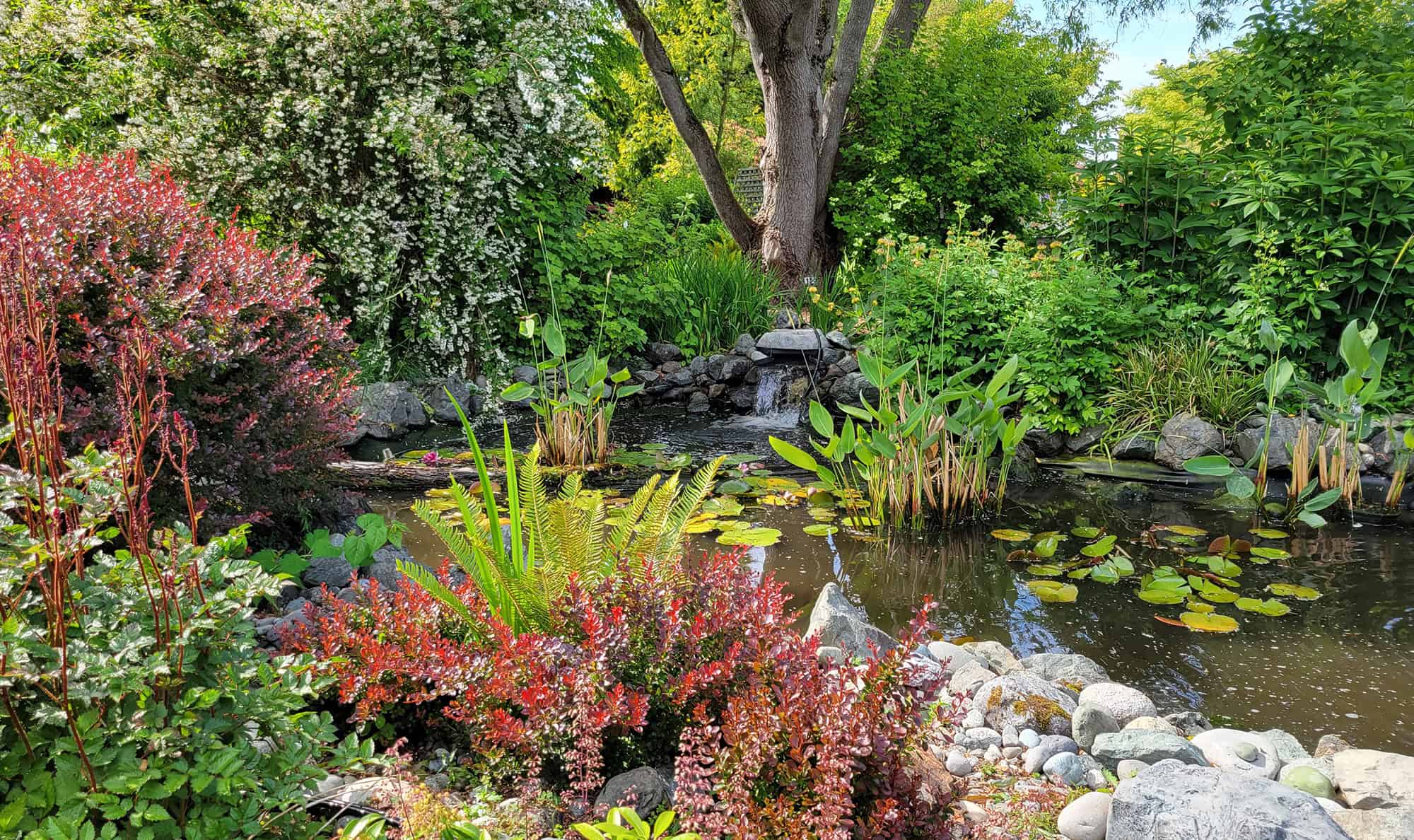
Looking to add interest to your garden, attract birds and wildlife, or drown out city noise with soothing sounds of water? Elevate your garden to the next level with a water feature.

Kay Torrance
A water feature supplied with fresh water soon becomes its own ecosystem — especially in the hot, dry summers in the PNW. They encourage birds, frogs, dragonflies, and other wildlife into your yard. Many animals, especially raccoons, will visit for water. I have seen Cooper’s hawks make daily visits to my garden in search of prey. Hummingbirds take showers. In the spring, I sleep to a chorus of Pacific tree frogs. Water is essential to life.
There are many options for adding water features to your landscape. It is just a matter of finding a good fit and managing expectations. Options range from small to very large:
Bird Baths and Fountains
A bird bath or fountain can add ambiance and focus to a garden. A fountain provides soothing water sounds for relaxation. Alternatively, you can have a “pondless waterfall” where a reservoir contains water out of sight. With the flip of a switch, you have a raging waterfall. Bird baths and fountains are commercially available in endless shapes and sizes, and making one can be a fun DIY project. A bird bath can be as simple as a shallow bowl filled with pebbles and water you refill daily. Vary the water depth with stones to attract a greater variety of birds. Use an automatic sprinkler system to fill it. Keep the reservoir clean, as birds need fresh water for drinking and bathing.
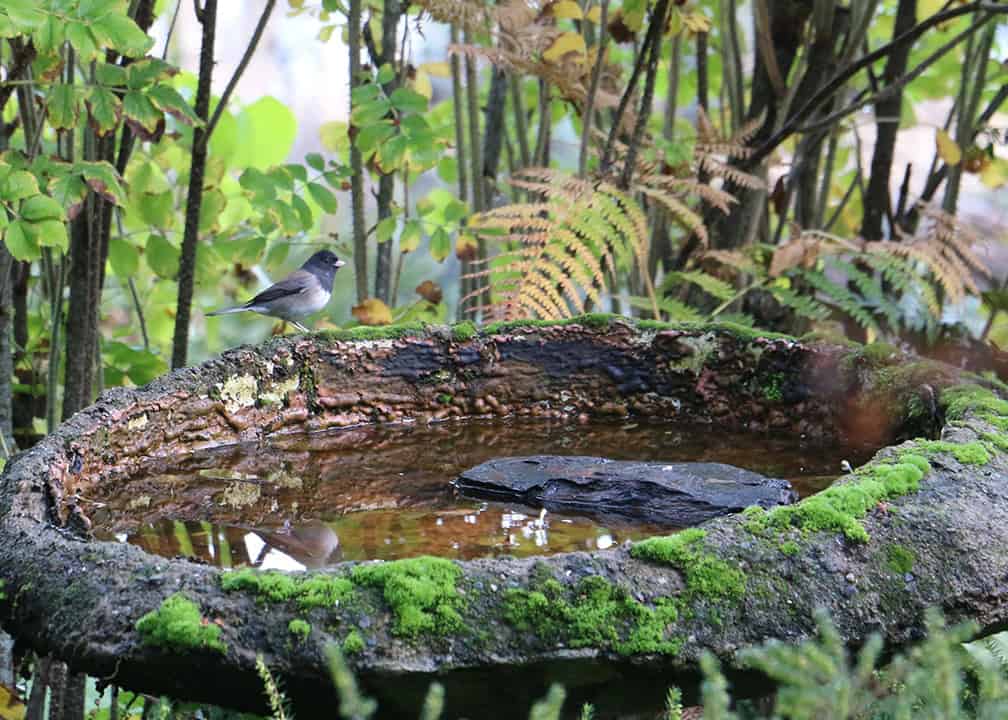
Homemade bird bath using trash can lid for the mold. Photo © Kay Torrance
Aquatic Container Gardening
Take a large flower pot, a barrel, a livestock tank, a bathtub, or another container, and turn it into a water garden. Simply patch the holes and fill the vessel with water. Add potted water lilies or a mix of aquatic plants. It will attract birds, frogs, and dragonflies. Like a bird bath, containers need the water changed frequently to minimize algae and mosquitoes. If the container is large and heavy, make sure it has a drain plug to simplify water changes. A small filter fountain combo helps keep the water clear.
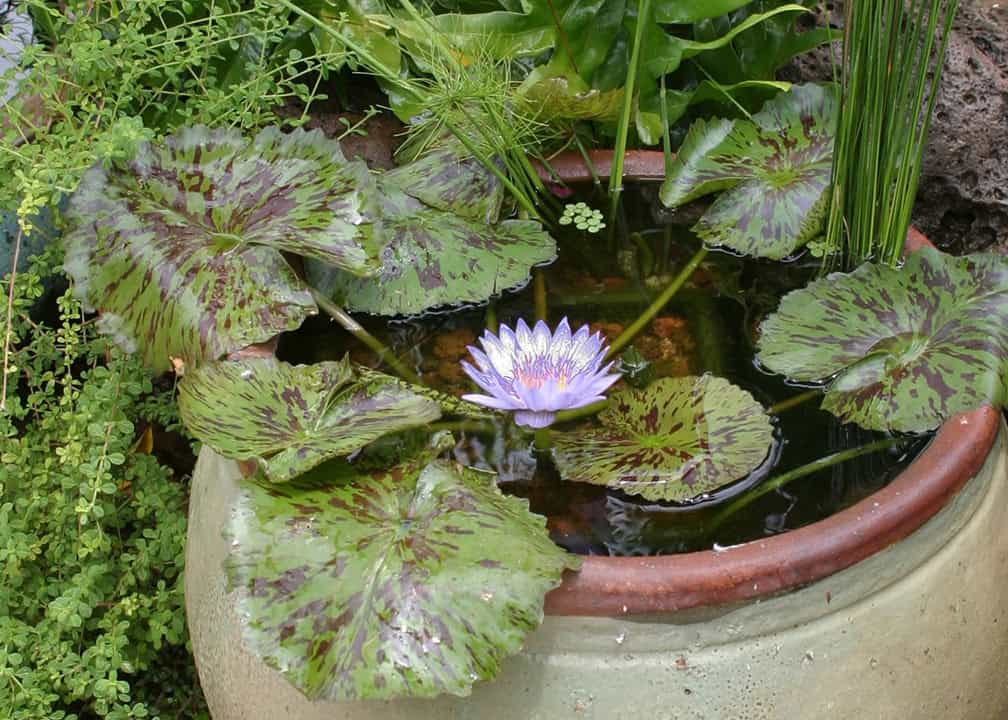
Ceramic container with water lily and papyrus. Photo © Kay Torrance
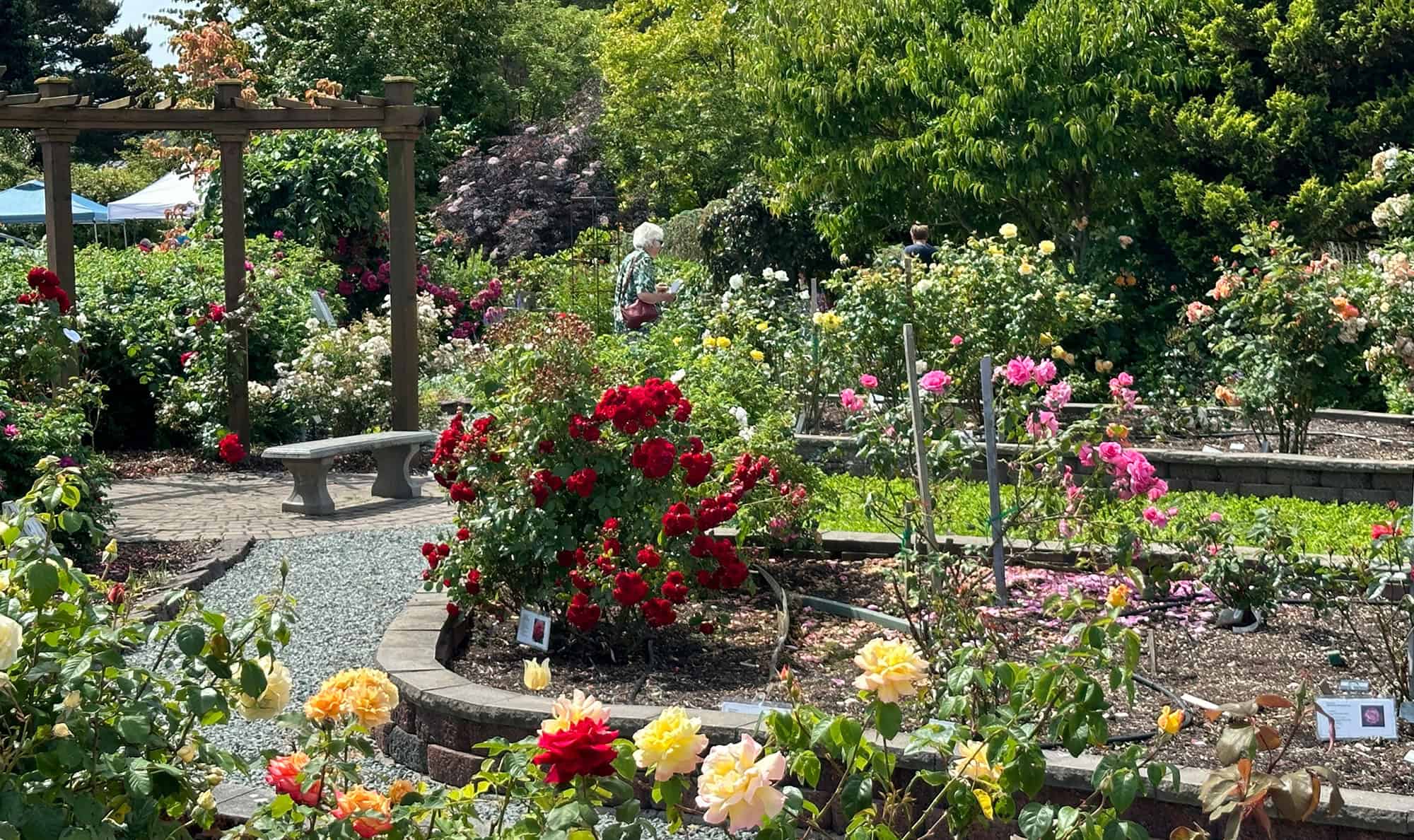
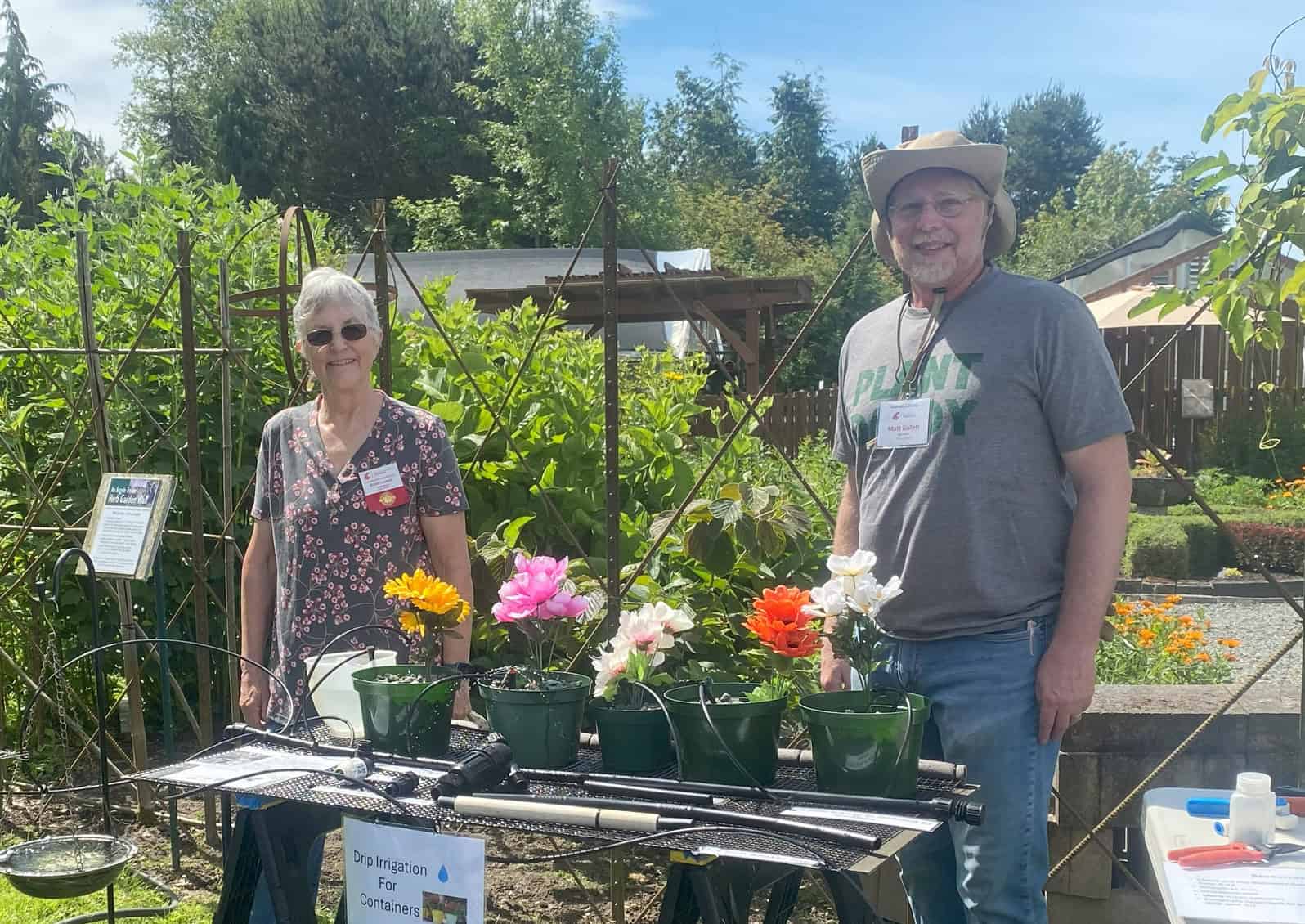
Tour the garden and check out our demonstration pond. Master gardeners will be on hand to talk about different water features and pond best practices.
Join Us for These Upcoming Master Gardener Events:
Discovery Garden
30th Anniversary Open House
Saturday, June 27 ~ 10 am – 2 pm

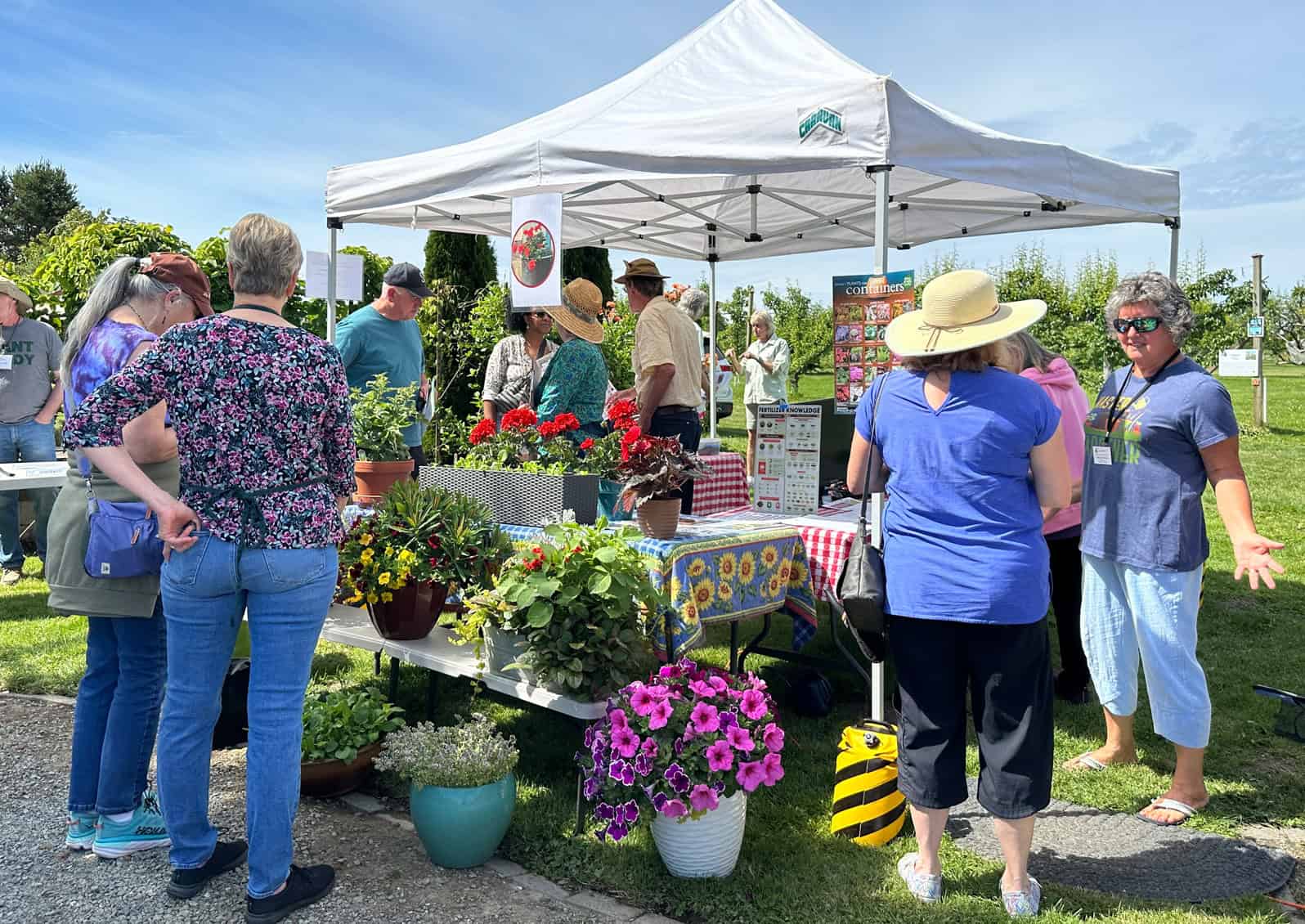
Talk to the people who maintain the gardens and learn more about:
- Noxious weeds
- Plant Clinic and gardening help
- Fruit trees
- Maintaining ponds and water features
- Pollinators
- Native plants for our area
Read all the details about the 30th Anniversary Open House.
__ __ __
Fire Smart Landscaping
June Know & Grow
Free. No registration required.
Presenter: Marlene Finley, Skagit County WSU Extension Master Gardener
Updated tips for keeping your home and yard more fire safe.
Tuesday, June 16, 2026 ~ 1 p.m.
Sakuma Auditorium
16650 SR 536, Mount Vernon, WA 98273
Rain Gardens
Develop a seasonally wet area of your yard with plants that thrive with wet feet. Master Gardener Carla Glassman provides the details in our blog article “Dealing with Wet Spots,” which talks about turning these areas into an oasis. The blog article contains an extensive plant list. You can also create a rain garden by capturing runoff from home’s gutters.
Ponds
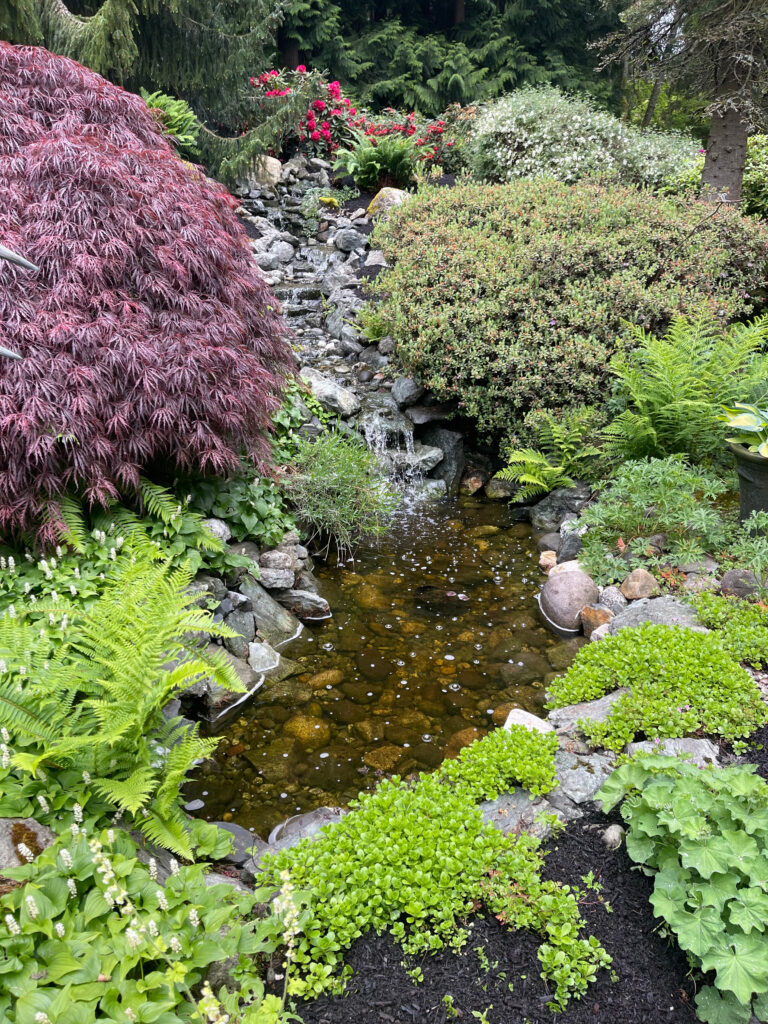
Ponds can be any size, ranging from fifty to hundreds of gallons, and can feature waterfalls, fountains, or bubblers. The possibilities are endless. They can be built from prefabricated shapes or DIY custom designs dug from the ground and lined with fabric. They can be built into decks or patios and are usually stocked with plants and fish. Some gardeners prefer the simplicity of a “fishless” pond.
Creating a pond is fun but challenging. Artificial ponds can become complex, as they require plumbing and electricity for filtration, aeration, and algae control. You are creating a self-contained ecosystem, so you need to understand the chemistry you are creating. You will need to control the pH, oxygen levels, and temperature, and encourage photosynthesis. Proper planning is key, and failure can be frustrating. It requires working with nature and then continuing to tweak what you have learned. The benefits are incredibly rewarding for those who persevere. Ponds are never maintenance-free.
Maintenance Requirements – Don’t Fight Mother Nature!
A bird bath is very simple to maintain. All you need to do is keep fresh water available daily. Fountains add a splash. Make sure to empty them at least weekly and scrub the surface with a brush to remove debris, bird droppings, and algae. This will reduce the risk of birds spreading disease and keep mosquitoes at bay.
Once you move beyond a bird bath, the maintenance requirements increase. Water features are not low-maintenance unless they are well thought out and properly designed. People who build them often give up during the first season, when the pond turns into a sea of green algae. For a pond to succeed, it is a careful balance of filtration, aeration, light, and temperature.
Filtration
Good filtration is the single most important element of pond maintenance! A good system will reduce maintenance, while an inadequate system will require cleaning messy filters several times a week. Water needs to be moving to allow biological processes to happen efficiently. Even the smallest pond needs a pump for circulation, aeration, and filtering out large debris. There are two methods of filtration, mechanical and biological. Though often discussed as alternatives, a pond needs both.
Mechanical filters use a pump to force water through filter material, trapping solid particles. The filter medium needs to be periodically cleaned by the gardener. This process is essential to removing leaves and other debris that fall into the pond. These filters also keep the water moving and aerated, improving plant/fish health and water clarity. However, a mechanical filter will never remove all the debris from a pond, leaving some to settle to the bottom. The organic material trapped in the filter is also breaking down and, in a sense, polluting the water. This is where biological filtration comes in to transform the products of organic decomposition.
For biological filtration, you need a healthy supply of bacteria, which nature happily provides. These bacteria live on submerged pond surfaces, rocks, and even inside mechanical filters. The filter media in mechanical filters usually host a healthy community of natural bacteria, which is why you should never clean them with detergents. Just clean them with a water hose. Biological filtration needs help from a mechanical filter or pond vacuuming, as large debris (leaves) can take a long time to break down and ruin pond clarity. A bottom drain in larger ponds is essential for cleaning sediment out every few years.
Nitrogen Cycle
Nature’s solution for removing nitrites and nitrates produced during organic decomposition is the nitrogen cycle. Bacteria feed on decomposing waste and convert it into fertilizer that pond plants can use. This is why plants are essential to a pond’s health. (See the insert on the nitrogen cycle below.) Nature was the first “chemist,” and this process depends on two types of bacteria working together. The aquatic cycle is similar to what happens in our soil, but there are some key differences.
Aeration
A pond needs aeration, which can be supplied by a fountain, a rushing waterfall, or a dedicated pond bubbler/aerator. A waterfall or fountain filter will remove the need for a separate aerator. Submerged and surface plants also produce oxygen. Oxygen is needed by plants, fish, and the nitrogen cycle. Submerged and surface plants produce oxygen during the day, but at night they use it.
Light, Temperature, and Algae Control
Plants need sunlight for photosynthesis. Too much light encourages algae, which is unappealing in ponds and can cause periodic pH swings that harm fish. Algae are simple plants lacking roots, stems, and leaves. A small amount of algae in ponds is normal. Algae blooms occur if there are too many nutrients in the pond. Fish can help with algae, but their waste can also encourage its growth, especially if the fish are overfed, which is common with most fish hobbyists. Surface plants steal sunlight from algae and keep the pond cooler, slowing its growth. Warm water holds less oxygen than cold water, and warm temperatures encourage algae growth, so partial sun is a good compromise for most water features. The single best method to control algae is to install a UV light to the pond’s filtration system.
Plants for the Pond
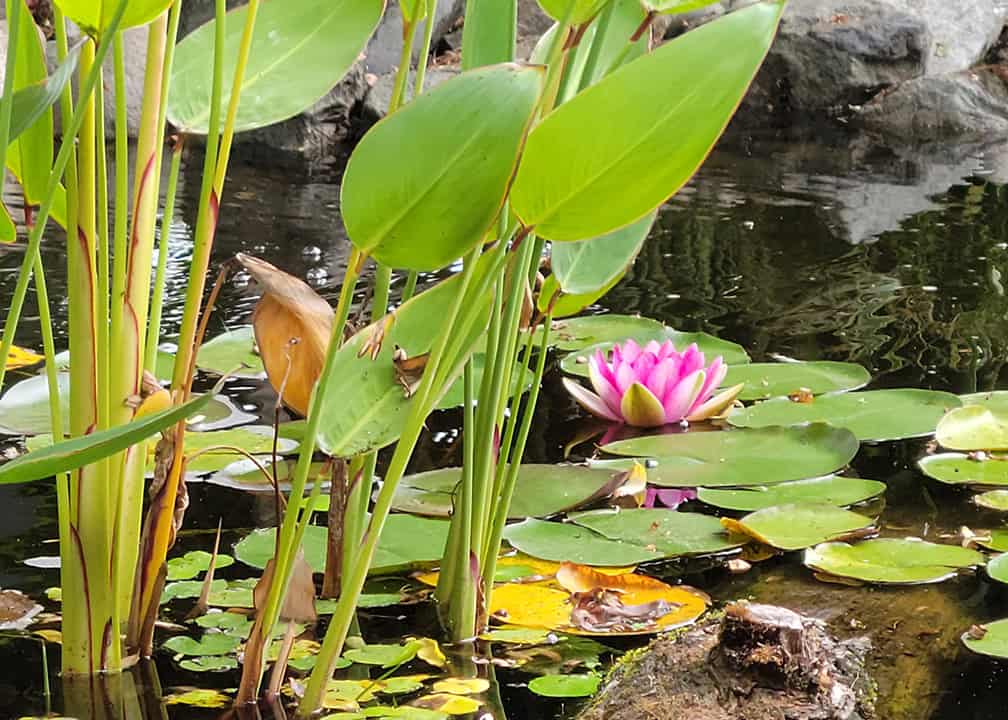
Surface and subsurface plants compete with algae for nutrients, making them great additions to a healthy pond. Aquatic plants can grow from the ground in an unlined pond, from submerged pots in a lined pond, or float on top of the water without the need for soil. (There are so many types that a separate article is needed to discuss them.) Hardy water lilies are a good choice, as their flowers and foliage enhance the pond’s beauty and shade the water while absorbing nutrients. Siberian iris (Iris sibirica) pairs nicely with lilies and grows well in partially submerged pots. Thalia (Thalia dealbata) has a tropical look but is very hardy. Many aquatic plants are tropical, like tropical water lilies, papyrus, taro, and water hyacinth. They should be treated as annuals in the pond unless you plan to remove and store them during the winter.
Avoid reeds and rushes as they grow quickly and can take over. Make sure the plants you are considering aren’t on the state’s invasive species list. A pond may seem contained, but birds can carry seeds for miles. Duckweed is easy to establish and good at using surplus nutrients and shading water, but it can quickly get out of control and create a layer 2-3″ thick.
Keeping Fish
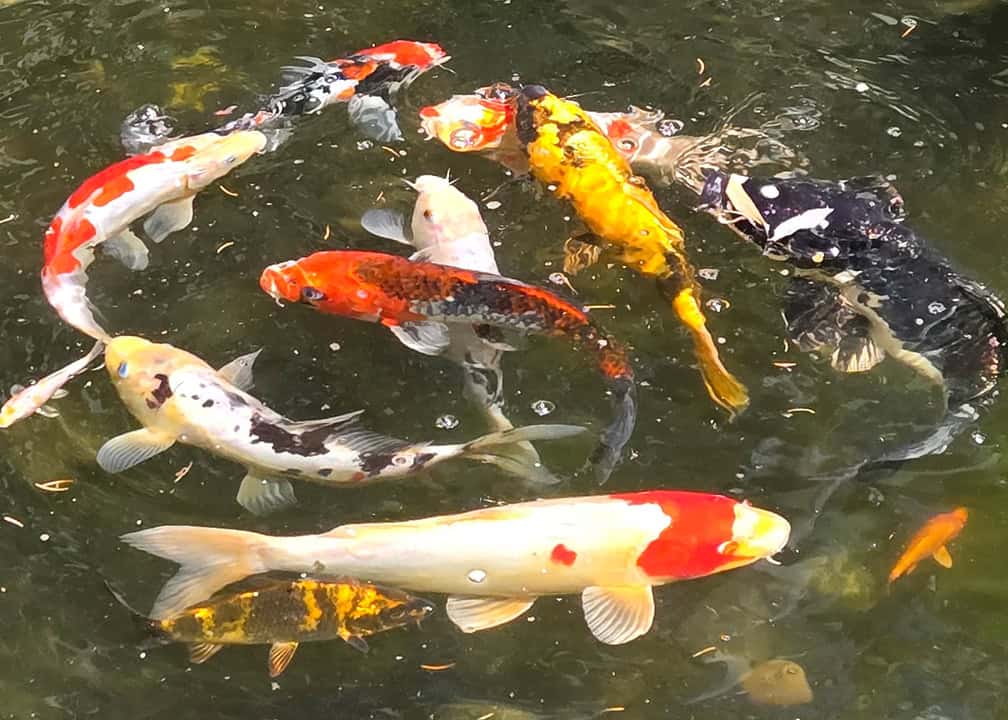
Koi are the classic pond fish and are prized for their color. They can live for decades and become several feet long. If you are just getting started, Shubunkins are a colorful, hardy goldfish variety that is great for a first fish. They are readily available at pet stores and do well in small ponds. Start with one to three small fish in the first year. As with plants, make sure that a fish is not on an invasive species list and is suitable for pond life. Fish require extremely clean water. They need a balanced pH. Ammonia, phosphates, nitrites, and nitrates can kill them. Before adding fish, make sure the pond has been established for at least a few months to ensure a healthy nitrogen cycle. You will need a water test kit to periodically check the water. Don’t overstock the pond with fish, and don’t overfeed them. Both will be disastrous. The fish will need to be protected from herons, raccoons, river otters, and other predators. It is best to get your pond up and running one year and add fish the second year.
Tips for Successful Water Features
Planning
- Develop a checklist for maintenance and make notes. The list will change seasonally.
- Schedule weekly routine maintenance and keep a log.
Location
- Ensure easy access to water and electricity for filtration and pumps.
- Select a spot with good sunlight if you want plants that flower, such as lilies.
- Be aware of adjacent trees that will drop leaves and branches into the pond, increasing maintenance.
- Recognize that runoff from erosion, chemicals/fertilizers, and animal waste runoff will adversely affect water quality for in-ground ponds. Adequate vegetation around the pond can help to filter the runoff before it enters the pond.
Filtration
- Ensure the system is sized appropriately for the water volume, plant, and fish load. It never hurts to oversize a system. If the filter needs cleaning more than once a week, it’s undersized.
- Choose filters that are easy to clean. Some have backwash systems like swimming pools. Some have scrapers to clean the filters without removing them. Some filters for small ponds are 3-in-1 units that combine a pump, filter, UV light, and fountain in one unit.
- Use a UV light to control algae You can get a fine-mesh filter to trap algae, but it requires frequent cleaning.
- Don’t overclean the filter. It is actually most efficient right before it clogs. That is an extreme to avoid but figure out exactly the timing between cleanings.
- Never clean the filter media with detergents, as they will kill the beneficial bacteria.
Draining
- Incorporate a bottom drain in all but the smallest ponds.
- Complete draining should only be needed every 2-5 years.
Mosquito Control
- Mosquitoes lay eggs only in still water, so if you have any circulation, they won’t be a problem.
- Fish eat mosquito larvae, so again, no problem if you have fish.
- For small water features without circulation that aren’t dumped and refilled every few days, you can use biological mosquito control, which are pellets containing bacteria that disrupt the larvae’s life cycle.
Algae Control
- Install UV lights plumbed into the filter system — hands down the best way to control algae.
- Remember to change the UV light bulb annually. (They may look like they are still working, but what you are seeing is visible light, not UV.)
- Consider other options that include barley straw, chemical herbicides, or dyes that reduce sunlight.
The Nitrogen Cycle
The nitrogen cycle is nature’s process for decomposition. The nitrogen cycle works in water similar to how it works in the ground. Use organic decomposition and fish waste as fertilizer for the pond’s aquatic plants while simultaneously keeping the water clean.
Aquatic Ecosystem
A Healthy Nitrogen Cycle Produces Clean Water
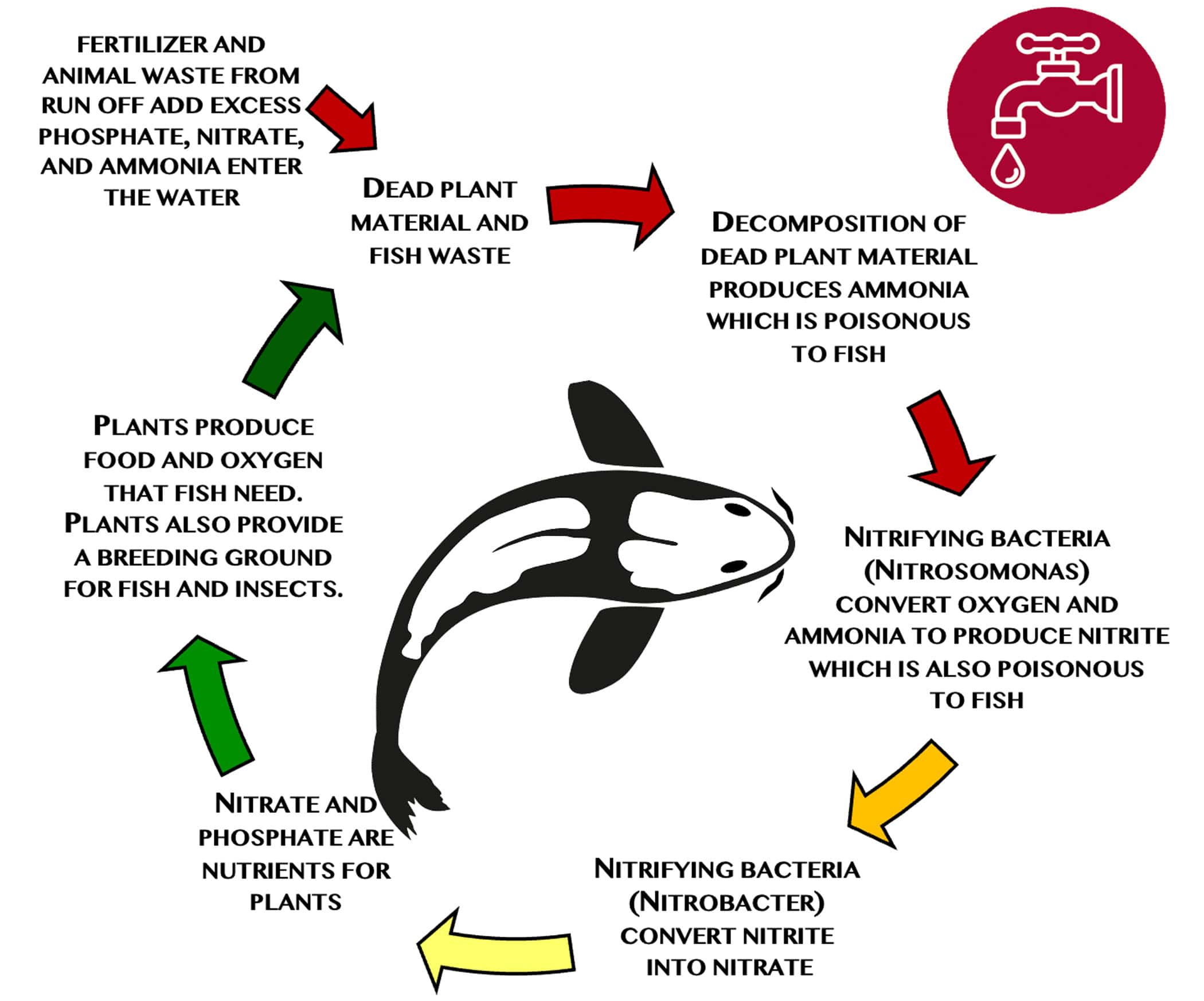
Nitrogen is the nutrient plants need most for growth. Understanding how the nitrogen cycle affects nitrogen availability helps gardeners grow healthy, productive plants while keeping nutrients where they can be used.
Terrestrial Ecosystem
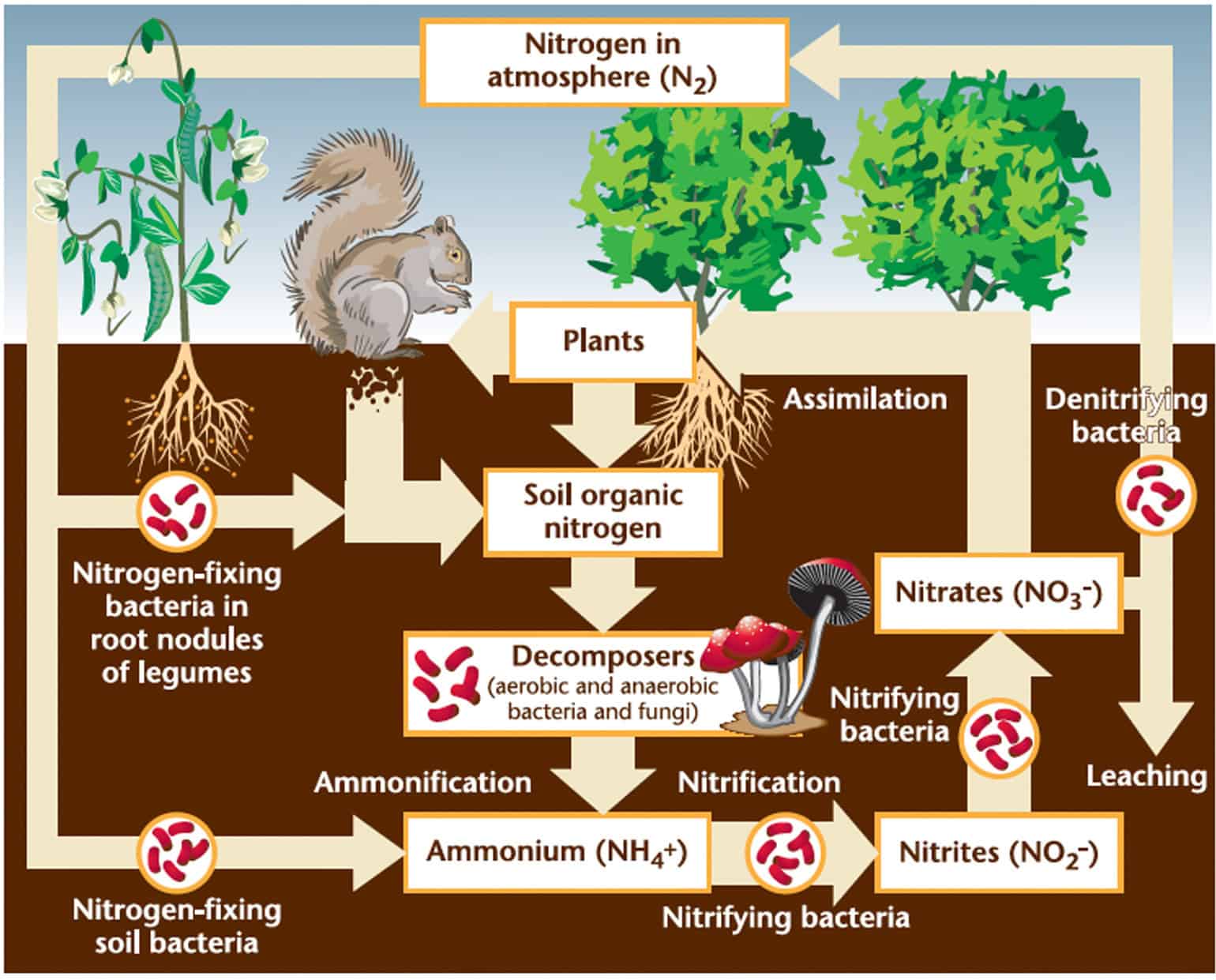
Four sources of nitrogen are found in soil. Ammonium and nitrate can be used immediately by plants. Atmospheric nitrogen and nitrogen in organic material must be converted before it is useful to plants. Excessive nitrogen levels lead to runoff that can harm plants and pollute waterways. Nitrogen can also leach into groundwater.
References and Resources
Aquatic:
Enjoying Ornamental Ponds – Louisiana State University Agricultural Center
Neighborhood and Urban Pond Management (NREM-9210) – Oklahoma Cooperative Extension Service
Aquatic Plant Selection – Clemson Extension
Ornamental Garden Pools – Alabama Cooperative Extension System
Terrestrial:
The Nitrogen Cycle. University of California, Berkley, California
Cogger, C. (Rev 2020) Soil Health. Washington State University Extension, Pullman, WA
ABOUT THE AUTHOR:
Kay Torrance has been a Skagit County WSU Extension Master Gardener since 2019. She has maintained water gardens of various sizes in different climates for over 30 years. She is the Garden Coordinator of Naturescape in the WSU Extension Skagit County Master Gardeners Demonstration Garden. She has a B.S. in Chemistry and enjoys combining science and gardening.
Questions about home gardening or becoming a master gardener may be directed to Skagit County WSU Extension Office, 11768 Westar Lane, Suite A, Burlington, WA 98233; by phone: 360-428-4270; or via the Skagit County WSU Extension website.
Washington State University Extension helps people develop leadership skills and use research-based knowledge to improve economic status and quality of life. Cooperating agencies: Washington State University, US Department of Agriculture, and Skagit County. Extension programs and policies are available to all without discrimination. To request disability accommodations contact us at least ten days in advance.



 Get your “passport” and enjoy the open house:
 Interested in Becoming a Master Gardener?